💰 Budget
Day-to-day costs are moderate, but getting here is the expensive part: a flight from Moscow or St Petersburg, or a train journey of more than a day. Excursions in search of the northern lights or out to the Barents coast add to the bill. Western-issued bank cards do not work, so all money must be brought in as cash.
- Daily Budget Midrange
- USD 90–200 (mid-range hotel, restaurants, taxis, museum tickets and an excursion)
- Daily Budget Shoestring
- USD 35–70 (hostel or simple guesthouse, canteens, trolleybuses)
Bring all the cash needed from outside Russia, and budget separately for flights and trips to the coast.
📅 Best Time to Visit
Two seasons draw visitors. From late May to late July the midnight sun never sets and the short summer is mild. The dark months suit the northern lights, although the sun does not rise at all from early December to about 10 January. Early spring brings the Festival of the North, a winter sports festival held every year since 1934.
⏳ Suggested Number of Days
Two or three days cover the city's monuments and museums. A trip to the Barents Sea coast adds a full day, and the weather, the hunt for the northern lights and the long journey in and out all argue for a little more time.
- First Visit
- 2–3 days
- With Surroundings
- 4–5 days
🚆 Transportation
Murmansk is long and thin along the bay, with the centre compact. Trolleybuses, the northernmost in the world, run mainly north to south on the larger streets; minibuses climb the hills to the east. Buses and trolleybuses can be held up in rush-hour traffic. Taxis are plentiful and cheap, though few drivers speak anything but Russian.
Carry passport, visa and migration card at all times, and have the destination written down in Russian for taxis.
🛬 Airport & Station Connections
Murmansk Airport, near the town of Murmashi, is 24 km outside the city centre, with flights to Moscow and St Petersburg; taxis and a slower bus run into town. The Kirov Railway links the city with St Petersburg, around 27 to 30 hours away by train, and 35 to 40 from Moscow, with stops at Petrozavodsk on the way. The M18 Kola motorway connects it with the rest of Russia by road.
🚶 Walkability
The centre between the station, Five Corners and the regional museum is easy on foot, and a determined walker can cover the whole central strip to the Alyosha hill in under two hours. Hills, strong winds, snow and ice for much of the year make walking hard work, and the outer districts are spread out.
🛡️ Safety
Beyond the ordinary crime of a large European city, the decisive risks are political and legal: near-total loss of consular support, a real risk of arbitrary arrest and lengthy detention of foreigners on politically motivated charges (and their use in prisoner swaps), sweeping wartime censorship laws, and the possibility that men of certain ages, including dual nationals, face conscription or exit bans. The Kola Peninsula is heavily militarised around the Northern Fleet, closed towns and border zones need permits, and some outer districts such as Rosta and Zhilstroy can be unsafe at night. Stray dogs roam some suburbs.
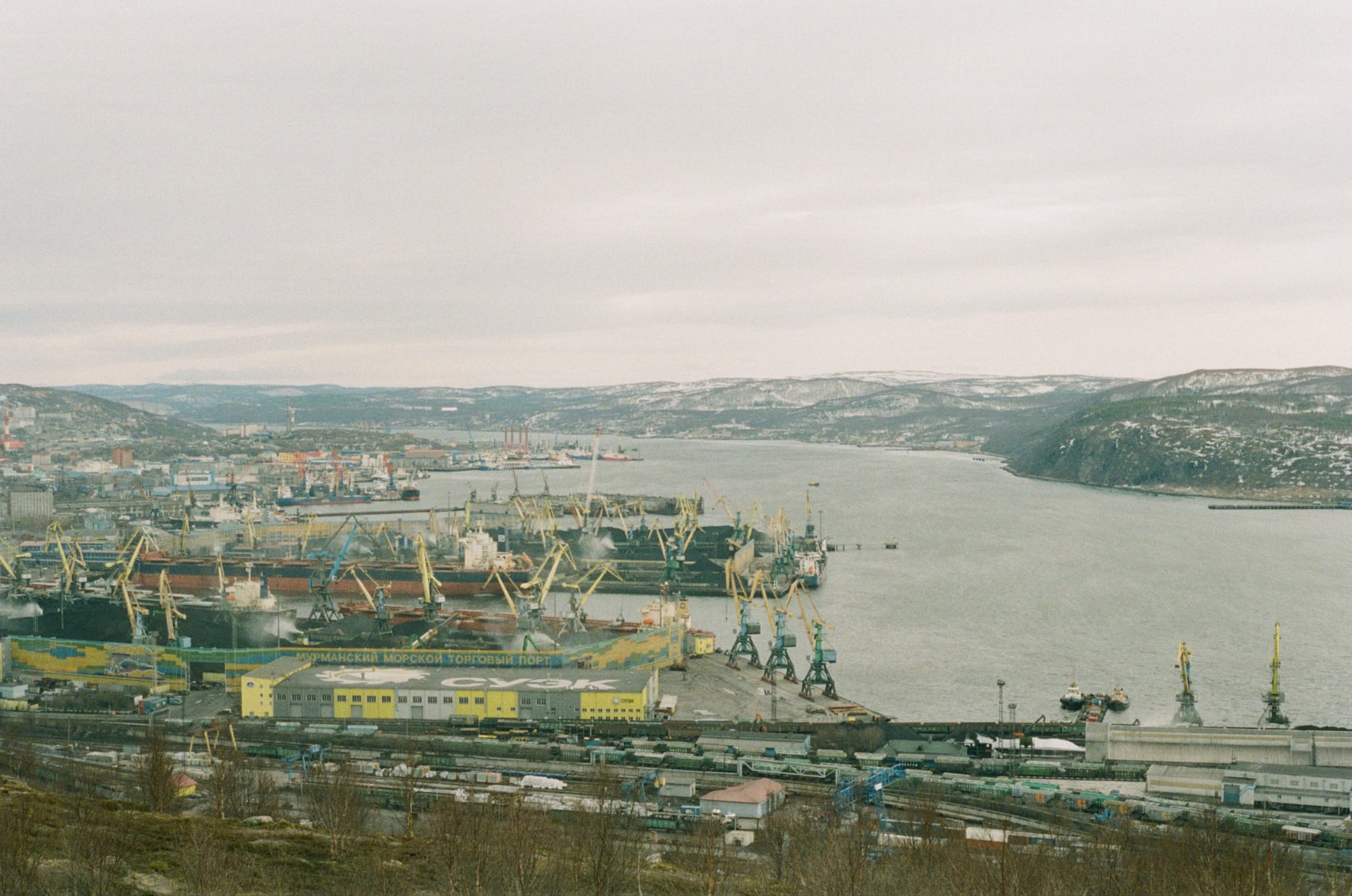
Most governments advise against all travel to Russia; stay well away from military installations and border zones. Never photograph ships, the port or naval sites, and do not try to enter closed towns. Check current official travel advice before travelling.
🌦️ Climate
A subarctic climate softened by the North Atlantic Current, which keeps the port free of ice. Winters are long, snowy and cold, though about average by Arctic standards; summers are short and cool. Freezing weather is normal from October to May, and precipitation is just under 500 mm a year.
- Summer
- short and mild — July averages around 12–13°C, with average highs above 17°C, and the midnight sun lasts from 22 May to 23 July
- Winter
- long and dark — January and February average around −10 to −11°C, nights often fall below −20°C, and the polar night lasts from 2 December to 10 January
🤝 Local Customs
Russian table manners, toasts and reserved greetings with strangers apply. The memory of the Second World War is central here: Murmansk is a Hero City, and wedding parties traditionally visit the Alyosha monument and drink champagne in front of it. Orthodox churches expect modest dress, with women usually covering their heads.
Ask before photographing people, never photograph military or port facilities, and remember that public expression on the war is restricted by law.
💳 Common Payment Methods
The currency is the rouble (RUB). Visa and Mastercard issued abroad do not work, and most foreign cards cannot be used at ATMs, so cash brought in and exchanged is the only reliable way to pay.