💰 Budget
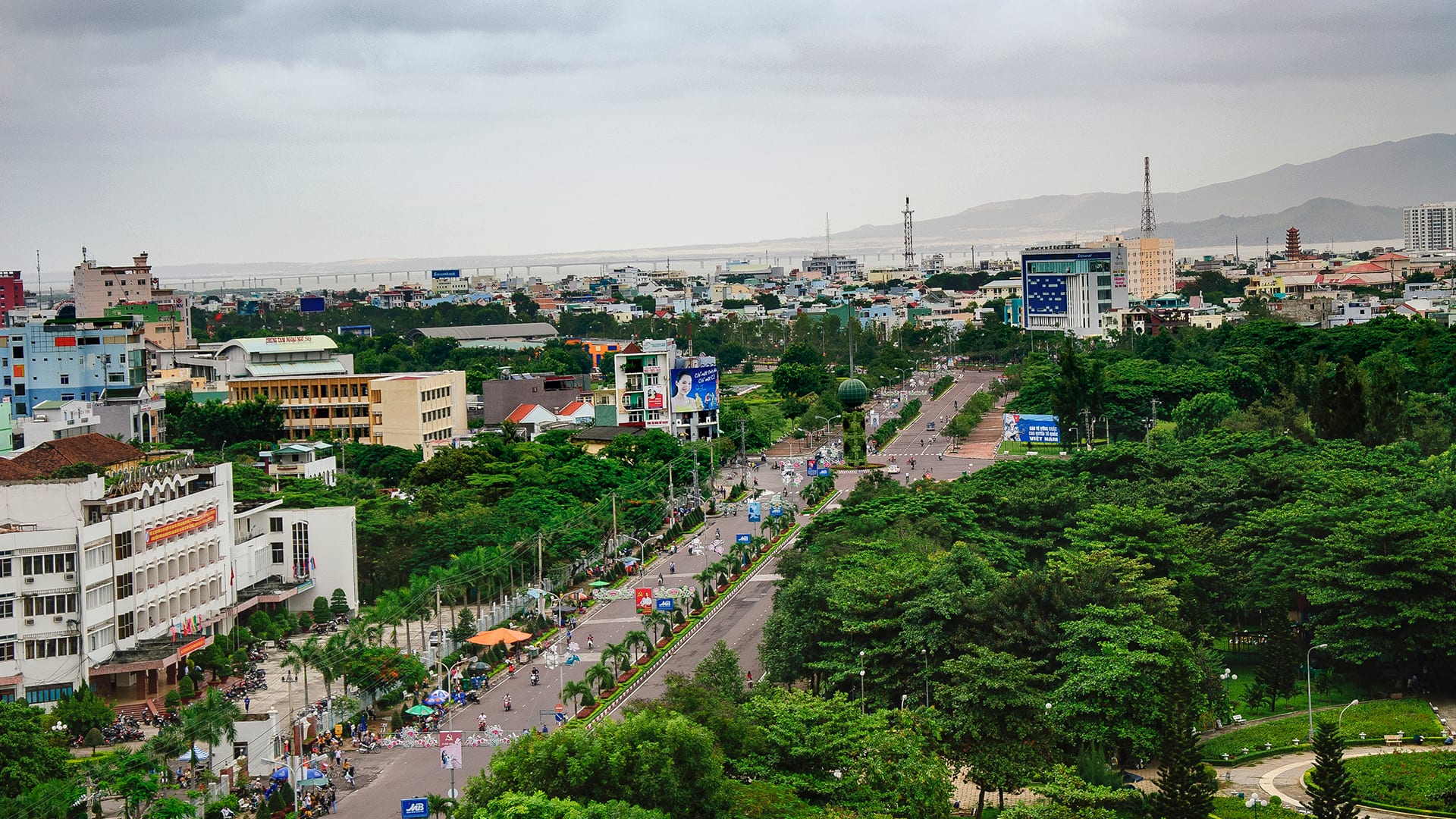
Quy Nhơn is one of the cheapest coastal cities in Vietnam, because it has far fewer foreign visitors than Da Nang or Nha Trang. Hotel rooms on the beach road cost a fraction of those elsewhere on the coast, and meals in the market streets are very cheap. Boat trips to the coves and islands and a car or motorbike for the Cham sites are the main extras.
- Daily Budget Midrange
- USD 45–100 (beach hotel, restaurant meals, a boat trip and a driver for the towers inland)
- Daily Budget Shoestring
- USD 18–32 (guesthouse room, street food, local buses)
Prices roughly double during Vietnamese summer holidays and at Tết, when the beach fills with domestic visitors; outside those weeks rooms are easy to find on arrival.
📅 Best Time to Visit
February to August is the dry, settled season, with calm water for the boats to the coves and islands. May to July is hot and is the Vietnamese holiday peak. From September to December the rain arrives with typhoons and flooding, boat trips are often cancelled and the sea is rough.
⏳ Suggested Number of Days
Two days cover the city, the beach and the nearest headland. Three or four allow for the Cham towers and the Tây Sơn sites inland, the islands, and the fishing villages along the peninsula. It is also a common one-night stop on the coastal railway.
- First Visit
- 2 days
- With Surroundings
- 3–4 days
🚆 Transportation
The city is small and flat along the bay, and the beach road can be walked or cycled. Taxis and ride-hailing apps are available but thinner on the ground than in the bigger coastal cities, so many visitors hire a motorbike or a car with a driver for the day; buses run to the peninsula and to the towns inland, and boats leave for the coves and islands from the harbour and from Nhơn Lý.
Arrange transport for the Cham towers and the Tây Sơn museum in advance, as they are spread over the countryside and ride-hailing thins out beyond the city.
🛬 Airport & Station Connections
Phù Cát Airport lies about 30 kilometres north-west of the city, roughly 40 minutes by taxi or shuttle bus, with domestic flights to Hanoi and Ho Chi Minh City. The main railway stop on the north–south line is at Diêu Trì, some 10 kilometres inland, with a branch line and buses into the city, and Highway 1 and the coastal road bring long-distance buses.
🚶 Walkability
The beach promenade and the market streets behind it are flat and easily walked, and the whole city centre is a compact area between the hills and the bay. Distances out to the towers, the peninsula and the coves are far too long on foot, and the heat and the traffic on the highway make walking out of town unappealing.
🛡️ Safety
Quy Nhơn is a quiet, safe city with very little crime against visitors and much less tout activity than the bigger resorts. The hazards are traffic on the highway and the peninsula road, strong currents and shore-break on the open beaches, boat trips in unsettled weather, and autumn typhoons and flooding, which hit this coast hard in some years.
Only ride a motorbike if experienced and licensed, and always with a helmet; hold bags away from the road; drink bottled or filtered water; and check surf conditions before swimming. Check current official travel advice before travelling.
🌦️ Climate
A tropical monsoon climate, hot and dry for most of the year with a short, heavy wet season. Rain concentrates between about September and December, when typhoons come ashore, while the first half of the year is reliably sunny.
- Summer
- hot and dry, generally 30–35°C, with sea breezes on the coast and hotter air inland
- Winter
- warm and wetter, about 23–28°C, with heavy rain and rough seas from October into December
🤝 Local Customs
Bình Định people have a reputation across Vietnam for martial arts, which are still taught in village schools, and for plain, direct speech. Few foreigners come here, so English is limited and curiosity is friendly. Pagodas and the Cham towers expect covered shoulders and knees, and beachwear stays on the beach.
Tipping is not expected; accept tea when it is offered, and ask before photographing people at the fishing harbour or at prayer.
💳 Common Payment Methods
The currency is the Vietnamese đồng. Cash is needed for markets, boats, street food and most small guesthouses, while hotels and larger restaurants take cards. ATMs are easy to find in the centre and along the beach road, with limits and fees per withdrawal, and QR-code payment apps are used by almost everyone locally.