History
This was the land of Champa, a group of Indianised kingdoms of Austronesian-speaking Cham people that flourished from about the 2nd century to the 15th. Their religious centre was the Hindu sanctuary of Mỹ Sơn in Quảng Nam (now part of Da Nang), built over many centuries for kings who worshipped Shiva, and their capitals moved from Indrapura, near Đồng Dương, to Vijaya in the former Bình Định province. The Vietnamese pushed south in stages: Vijaya fell in 1471, and the last Cham principality around Phan Rang was absorbed by the 1830s.
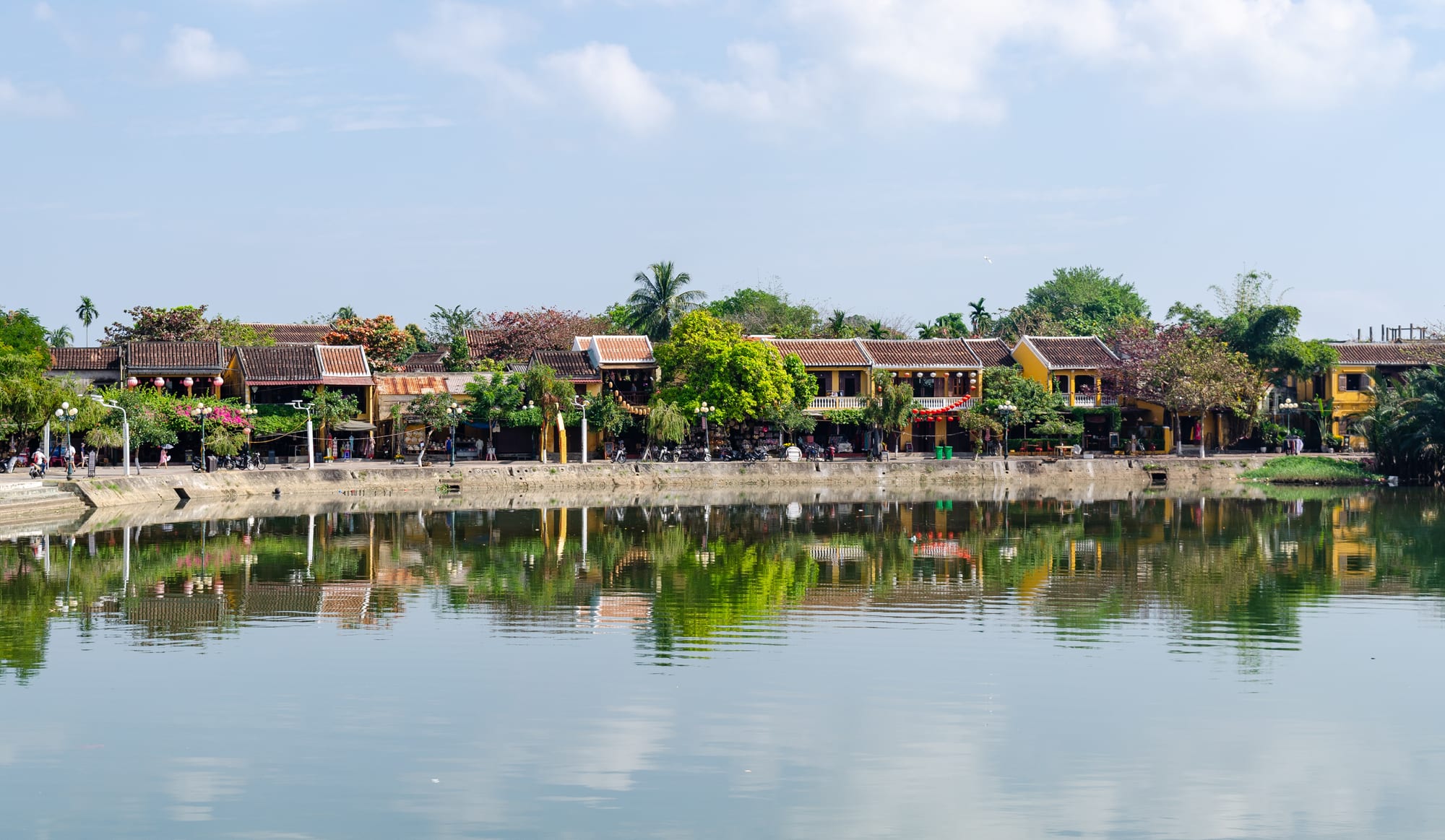
Hội An, known to Europeans as Faifo, became one of Southeast Asia's great ports from the 16th century, where Japanese, Chinese, Portuguese and Dutch traders met, until the river silted and trade shifted to Da Nang. In the 1770s three brothers from the Tây Sơn district of Bình Định began the uprising that overthrew both the Nguyễn and Trịnh lords. France attacked Da Nang in 1858, starting its conquest, and later ran it as the concession of Tourane.
The Central Highlands were long the realm of Ê Đê, Jarai, Bahnar and other upland peoples, only brought under close Vietnamese control in the 20th century. In the Vietnam War the region was a battlefield: US Marines landed at Da Nang in 1965, the Ia Drang battle was fought in Gia Lai that year, and in 1968 American soldiers killed hundreds of villagers at Sơn Mỹ (Mỹ Lai) in Quảng Ngãi. The fall of Buôn Ma Thuột in March 1975 opened the final offensive. Da Nang has since become the largest city of central Vietnam.