History
The shores of Lake Titicaca were home to some of the Andes' earliest farming villages, and between about AD 500 and 1000 the city of Tiwanaku, south of the lake, became the capital of a civilisation whose influence reached into what are now Peru, Chile and Argentina. After its collapse, Aymara lordships held the plateau until the Inca absorbed it in the 15th century as part of Collasuyu, the empire's southern quarter.
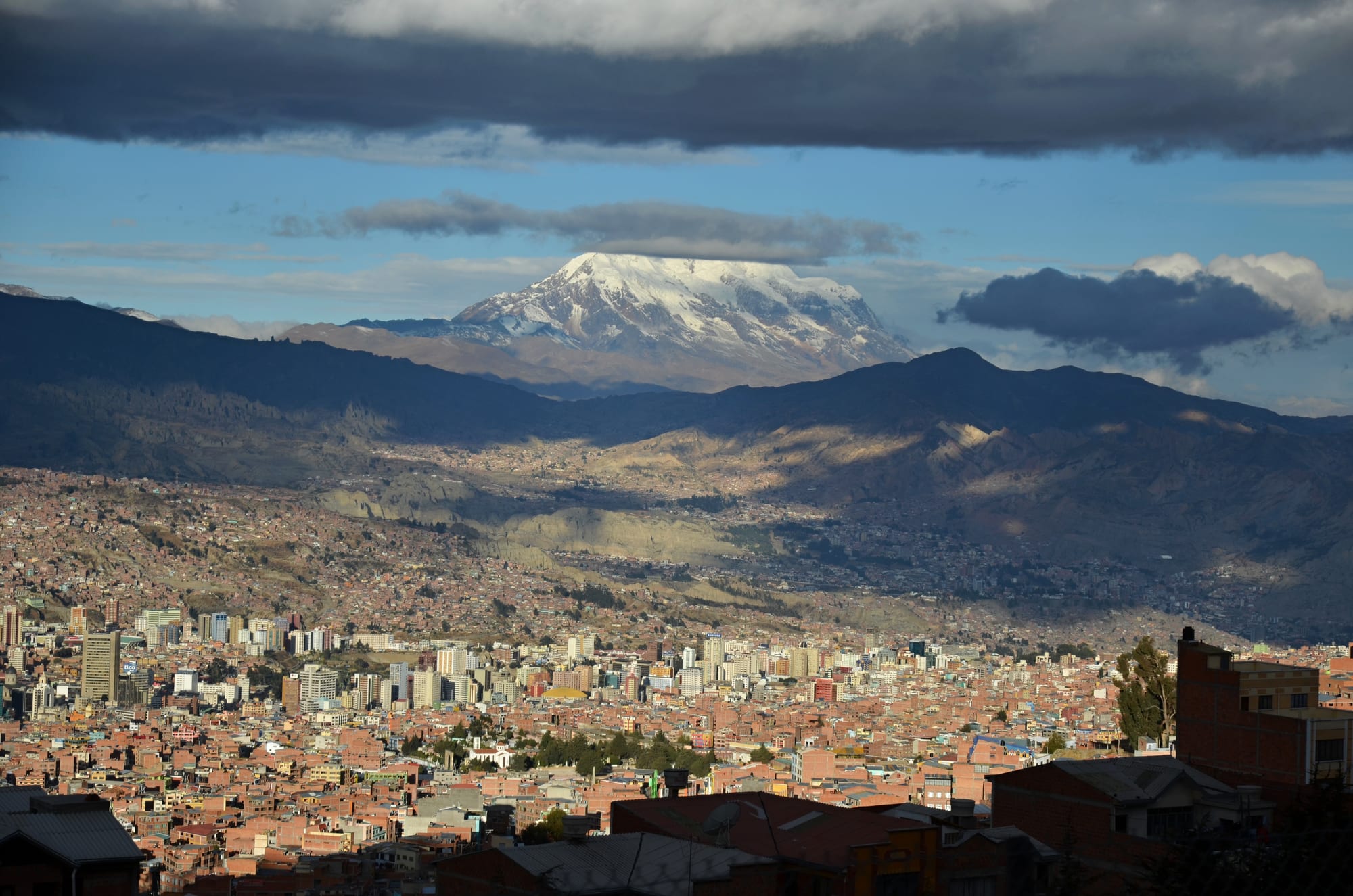
The Spanish founded La Paz in 1548 on a trade route between Potosí and the coast, and in 1545 silver was discovered at Cerro Rico. Potosí grew into one of the largest cities in the world by the early 1600s, fed by the mita, a forced-labour draft that sent Indigenous men from across the Andes into the mines, where very many died. Oruro was founded on silver in 1606. In 1781 the Aymara leader Túpac Katari besieged La Paz for months before he was captured and executed, and in 1809 the city rose in one of the continent's first calls for self-government.
After independence silver declined and tin took its place: mines around Oruro and in northern Potosí made Simón Patiño one of the world's richest men, and the miners' unions became central to the 1952 revolution. A short civil war in 1899 moved the seat of government to La Paz, leaving Sucre as the constitutional capital. The loss of the Pacific coast in the War of the Pacific cut the Altiplano off from its ports; in 2018 the International Court of Justice ruled that Chile was not obliged to negotiate on Bolivia's demand for sovereign access to the sea. El Alto, a separate city since 1985, was at the centre of the 2003 gas-war protests that ended in the president's resignation, and during the 2019 political crisis eleven civilians were killed when soldiers and police broke up a blockade at the Senkata gas plant.