History
Before the Europeans, the lower river belonged to the Wolof kingdom of Waalo, and the middle valley to the Fouta Toro, heartland of the Fula-speaking Haalpulaar'en. In 1776 Muslim clerics overthrew the Denianke dynasty there and founded an Islamic state ruled by elected almamys. The Djolof country around Linguère, in Louga region, was the core of the old Jolof Empire. The valley also produced El Hadj Umar Tall, born near Podor at the end of the 18th century, who led a jihad that built a state far to the east.
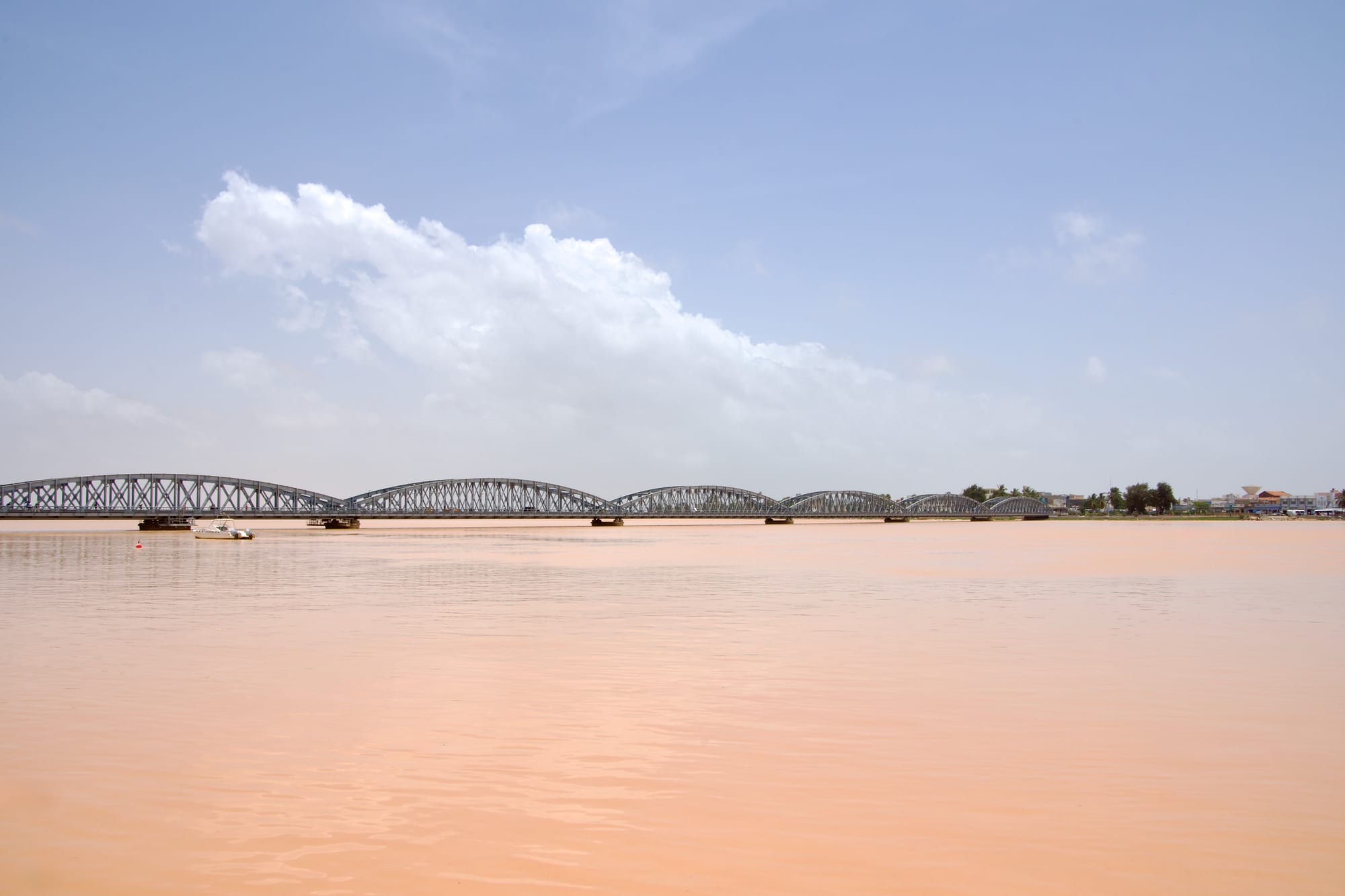
The French founded Saint-Louis in 1659 on the island of Ndar near the river mouth, and it became the base for trade in gum arabic, slaves and later groundnuts. A mixed Afro-European merchant class grew up, with the signares, wealthy women traders, at its centre. Under Governor Louis Faidherbe in the 1850s the French pushed up the river with forts such as Podor's, conquered Waalo and fought Umar Tall.
Saint-Louis was the capital of Senegal and, until 1902, of French West Africa, and was one of the four communes whose people held French citizenship. It declined after the capital moved to Dakar. After independence the valley was transformed by irrigation and the Diama dam near the river mouth; the region also bore the 1989–91 border conflict with Mauritania, which created thousands of refugees on both sides of the river.