History
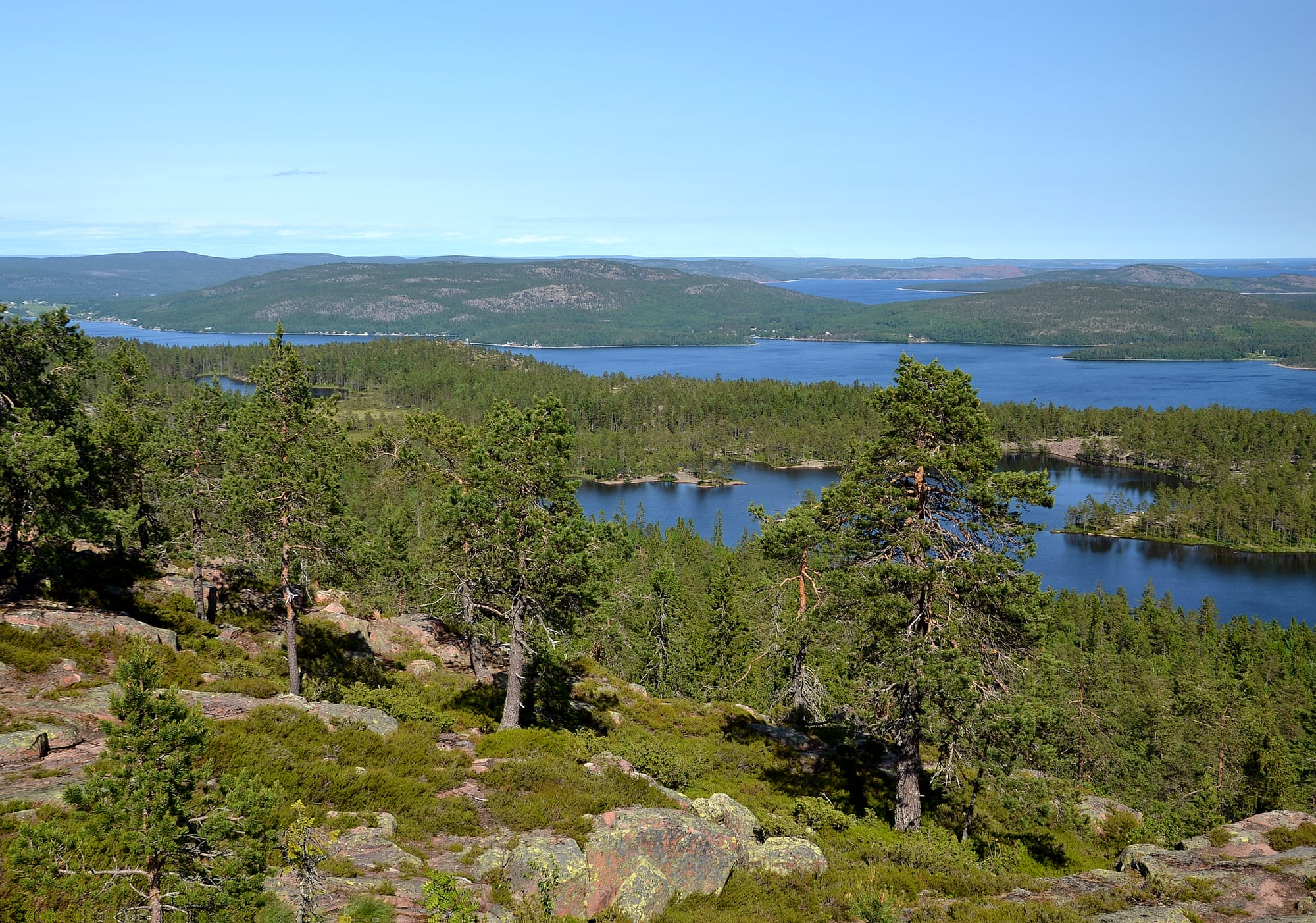
The land here is still emerging from the sea. When the ice sheet melted about 10,000 years ago, the crust, freed of its weight, began to rise, and on the High Coast it has risen by nearly 300 metres since then, the highest known postglacial rise; the old shoreline on Skuleberget, about 285 metres above the present sea, is the highest in the world. Stone Age hunters followed the coast as it moved, leaving rock paintings and hunting pits.
Hälsingland and Medelpad were farming and trading provinces in the Viking Age and were Christianised in the Middle Ages, and Gävle received its town charter in the 15th century. Jämtland had a different history: it was long tied to Norway, kept its own assembly on Frösön, where the Frösö runestone records the island's conversion, and passed to Sweden only in 1645.
In the 19th century the forests became the region's fortune. Steam sawmills lined the Bothnian coast around Sundsvall, one of Europe's great timber-exporting districts, and the wealth built grand merchant houses before a fire destroyed the city centre in 1888; it was rebuilt in stone. Sawmill strikes in 1879 were an early landmark in the Swedish labour movement. Hälsingland's farmers, rich from flax and timber, built and decorated the great farmhouses now listed by UNESCO. In the 20th century pulp and paper mills, hydroelectric dams on the rivers and engineering in Örnsköldsvik sustained the economy.