History
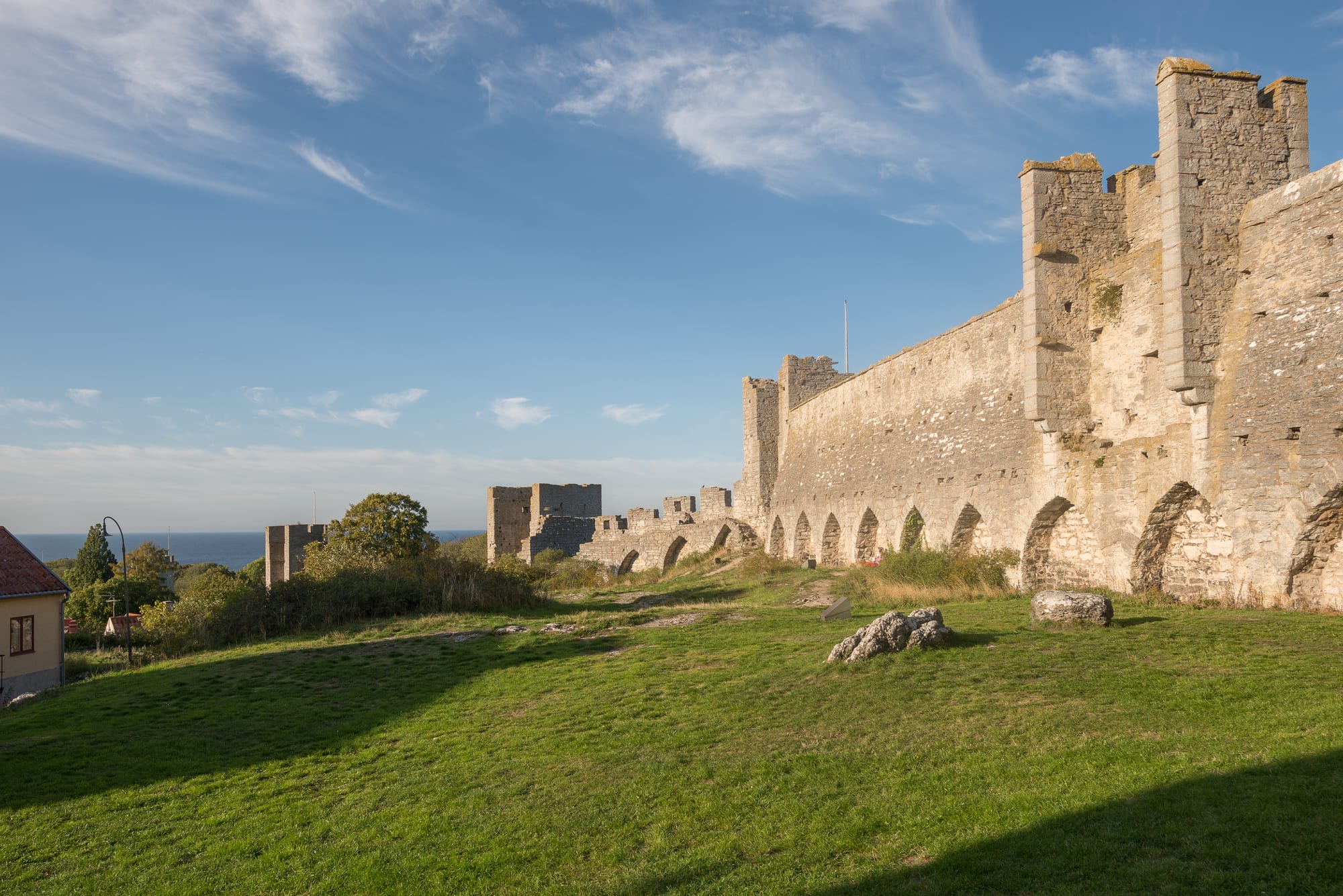
Gotland was a trading island long before it was Swedish. Its farmers raised carved picture stones in the Viking Age, and more Viking silver has been found buried on Gotland than anywhere else. From the 12th century Visby was a hub of Baltic trade, joined the Hanseatic League, and built a stone wall and many churches. In 1361 the Danish king Valdemar Atterdag took the island; it stayed Danish until 1645, when it passed to Sweden.
On the mainland, Östergötland's plains were an early centre of Swedish power. The Rök runestone carries the longest known runic inscription, Linköping became a bishopric in the 12th century, and at Vadstena on Lake Vättern Saint Bridget founded the Bridgettine order in the 14th century. Kalmar, the border fortress facing Danish Blekinge, gave its name to the union of Denmark, Norway and Sweden formed there in 1397, and its castle was rebuilt as a Renaissance palace by the Vasa kings.
Småland was poor, stony forest country. Its peasants rose against Gustav Vasa in the Dacke rebellion of 1542–43, and in the 19th century the region sent huge numbers of emigrants to America, the story told in Vilhelm Moberg's novels. Glass furnaces fed by forest timber grew up from 1742, when Kosta was founded, and Jönköping made safety matches. Östergötland industrialised earlier, with Norrköping's textile mills and later Linköping's Saab aircraft works, and the Göta Canal, opened in 1832, crossed the county on its way between the seas.