💰 Budget
Hanoi is inexpensive by any measure. A bowl of noodles, a glass of bia hơi or a motorbike taxi across the centre costs very little, and Old Quarter guesthouses are among the cheapest city beds in Southeast Asia. Costs rise with a hotel in the French Quarter, restaurant meals rather than street kitchens, and organised trips out to the bay or the mountains, which are usually booked from the city.
- Daily Budget Midrange
- USD 60–130 (boutique or business hotel, restaurant meals, museum entry, taxis and a guided day trip)
- Daily Budget Shoestring
- USD 20–35 (hostel bed or simple guesthouse, street food, buses and shared rides)
Agree a price before taking a motorbike taxi or cyclo, or use a ride-hailing app; most of the temples and museums charge only a small entry fee.
📅 Best Time to Visit
October and November are the finest months — dry, clear and warm without humidity — and March to April is the other good window. Summer from May to September is hot, sticky and prone to downpours and typhoon rain. Winter is cool and grey with persistent drizzle and, at times, heavy air pollution. Tết, in January or February, shuts much of the city for several days.
⏳ Suggested Number of Days
Two or three days cover the centre at a reasonable pace. Allow five to seven to add the trips most people make from the capital — the bay, Ninh Bình or the mountains — since each takes at least a full day and most take two or more.
- First Visit
- 2–3 days
- With Surroundings
- 5–7 days
🚆 Transportation
The motorbike rules Hanoi: most households own one, and motorbike taxis booked through ride-hailing apps are the quickest way across the centre. Ordinary taxis and app cars are cheap and metered. City buses are very cheap and cover the whole urban area, though routes are hard to follow without an app. Cyclos still work the Old Quarter, mainly for visitors. Two metro lines are open: Line 2A from Cát Linh to Hà Đông, running since 2021, and the elevated section of Line 3, since 2024. Traffic is dense and rarely stops for pedestrians.
Crossing the road is done at a steady, predictable pace, letting the traffic flow around; stopping or turning back mid-road is what causes accidents.
🛬 Airport & Station Connections
Nội Bài International Airport, the main gateway to northern Vietnam, is about thirty-five kilometres north-east of the centre across the Red River, usually forty-five minutes to an hour by taxi and longer by airport bus. Trains on the north–south line leave from Hanoi station west of the centre, including the overnight service towards Lào Cai for the mountains, and long-distance and sleeper buses run from several terminals on the edges of the city.
🚶 Walkability
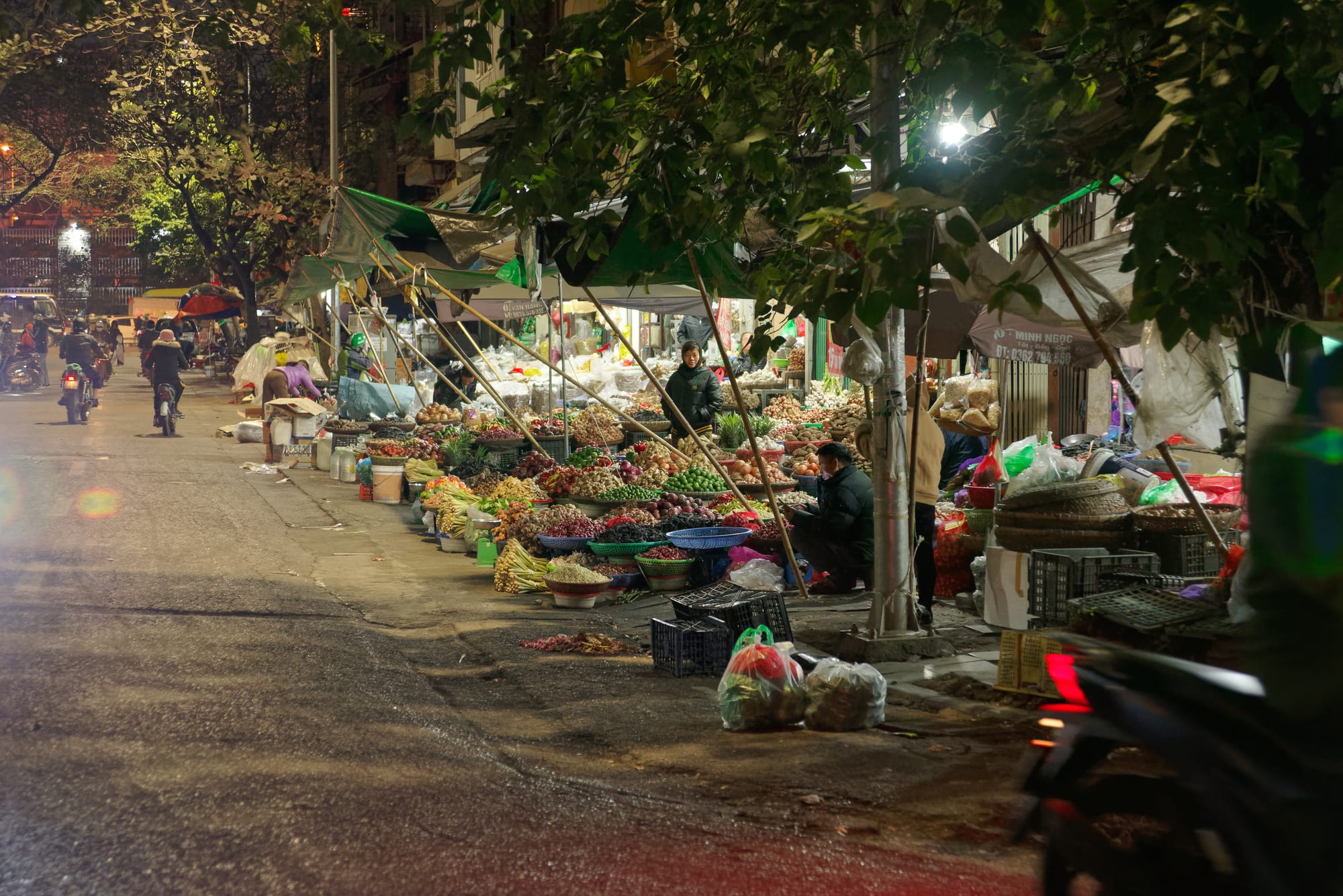
The historic core is small and best seen on foot: the Old Quarter, the lake and the French Quarter all lie within a couple of kilometres. Walking is still demanding, because pavements are routinely occupied by parked motorbikes, cooking stalls and merchandise, which pushes people into the road. Ba Đình and West Lake are further out and usually reached by taxi, and the weekend closure of the streets around Hoàn Kiếm Lake is the one time the centre belongs to walkers.
🛡️ Safety
Hanoi is a safe city with little violent crime against visitors. Traffic is the real danger, both when crossing the road and for anyone riding a motorbike. Pickpocketing and bag-snatching happen in crowded markets and around the lake, and overcharging by taxis and some street sellers is the common annoyance. Air quality can be poor in the cool, still months from November to March.
Watch bags in crowds, use metered or app-booked cars, and check the air-quality index in winter. Only ride a motorbike if experienced and licensed, and always with a helmet; hold bags away from the road; and drink bottled or filtered water. Check current official travel advice before travelling.
🌦️ Climate
A humid subtropical climate with four distinct seasons, unusual in Southeast Asia. The rains fall mainly between May and September, when typhoon remnants can bring several days of downpour, and the cool season from December to February is dry but often overcast with fine drizzle.
- Summer
- hot and humid, generally 30–36°C, with heavy afternoon storms and high night-time temperatures
- Winter
- cool and damp, usually 12–20°C, grey skies, drizzle and occasional colder snaps
🤝 Local Customs
Tipping is not traditional, though it is increasingly common in tourist restaurants and for guides and drivers. Shoes come off at the door of homes and many temples. Shoulders and knees should be covered in pagodas and at the mausoleum, where silence, a strict queue and no photography are required. Older people are greeted first and served first, and both hands are used to pass anything to them.
Ask before photographing people at work or at prayer, keep voices down inside temples, and treat images of Hồ Chí Minh and the national flag with visible respect.
💳 Common Payment Methods
The currency is the Vietnamese đồng, quoted in large numbers, and notes of similar colour are easy to confuse. Cash is normal for street food, markets and small shops, while hotels, restaurants and larger stores take cards. QR-code payment by phone is now widespread among locals. ATMs are everywhere in the centre and usually charge a withdrawal fee.