History
Before the Spanish arrived, the Central Valley and its surrounding slopes were home to chiefdoms linked to the cultures further south. The largest surviving site is Guayabo, near Turrialba in Cartago province, where stone-paved causeways, mound foundations and aqueducts were built by a community that had abandoned the site before the conquest.
Spanish settlement of the interior began with Juan Vázquez de Coronado, who founded Cartago in 1563, and Cartago was the colonial capital for about 250 years. The valley was a place of small farms rather than great estates. In the 18th century new towns grew to the west — Heredia, San José and Alajuela — and after independence in 1821 rivalry between the conservative old capital and the more liberal western towns ended in a brief civil war in 1823, after which the capital moved to San José.
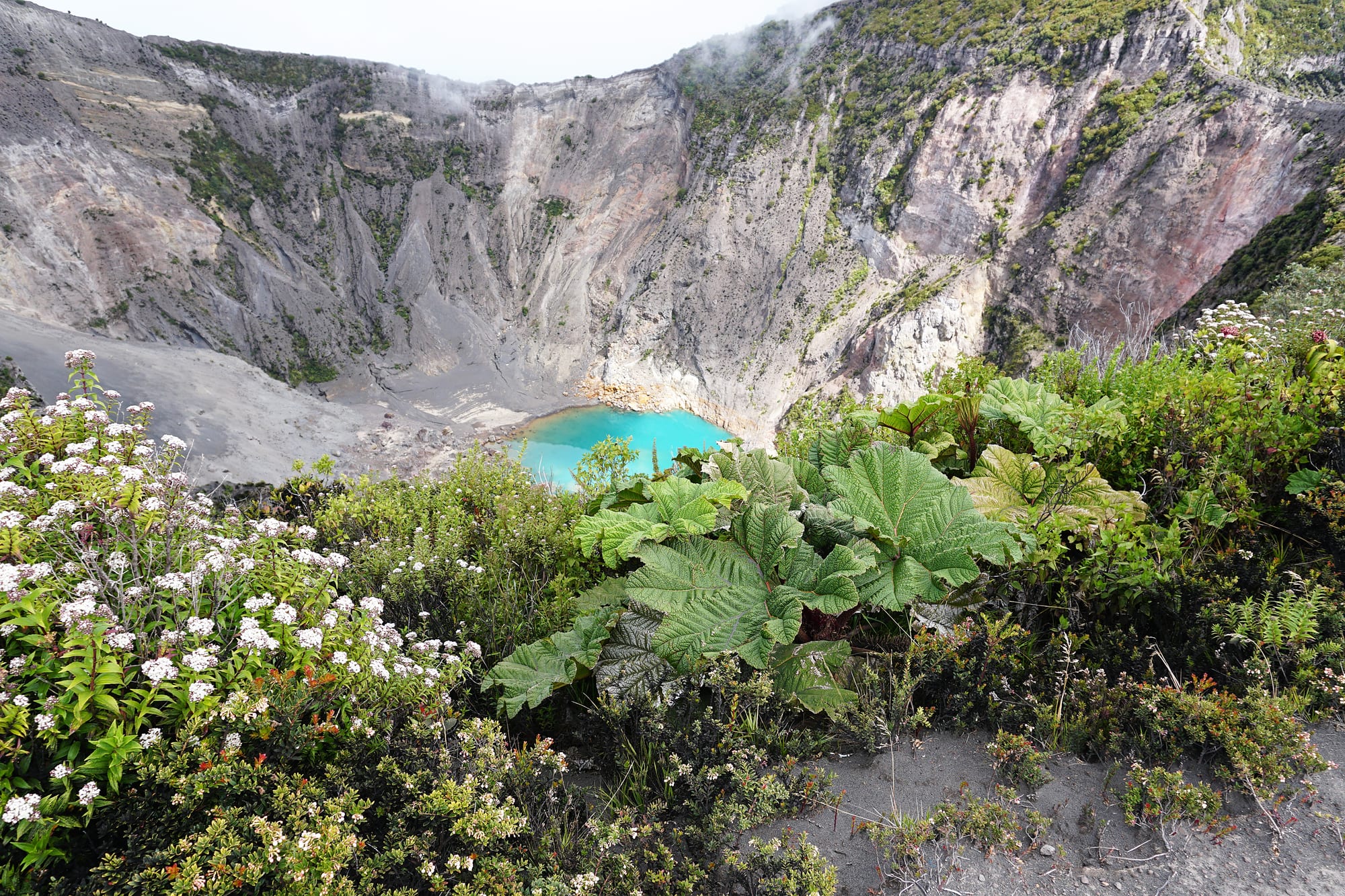
Coffee transformed the valley from the 1820s. Its export wealth paid for San José's Teatro Nacional, opened in 1897, and ox-drawn carts carried the beans to the Pacific port of Puntarenas. Alajuela gave the country its national hero, the drummer boy Juan Santamaría, killed in 1856 fighting the American filibuster William Walker. In the 1948 civil war the valley was the main battleground, and on 1 December 1948 José Figueres announced the abolition of the army at the Bellavista barracks in San José, a decision written into the 1949 constitution; the building now houses the National Museum. Irazú's eruptions of 1963 to 1965 covered the valley in ash, while Arenal's sudden eruption in July 1968 destroyed the villages of Tabacón and Pueblo Nuevo on its western side and killed 87 people.