History
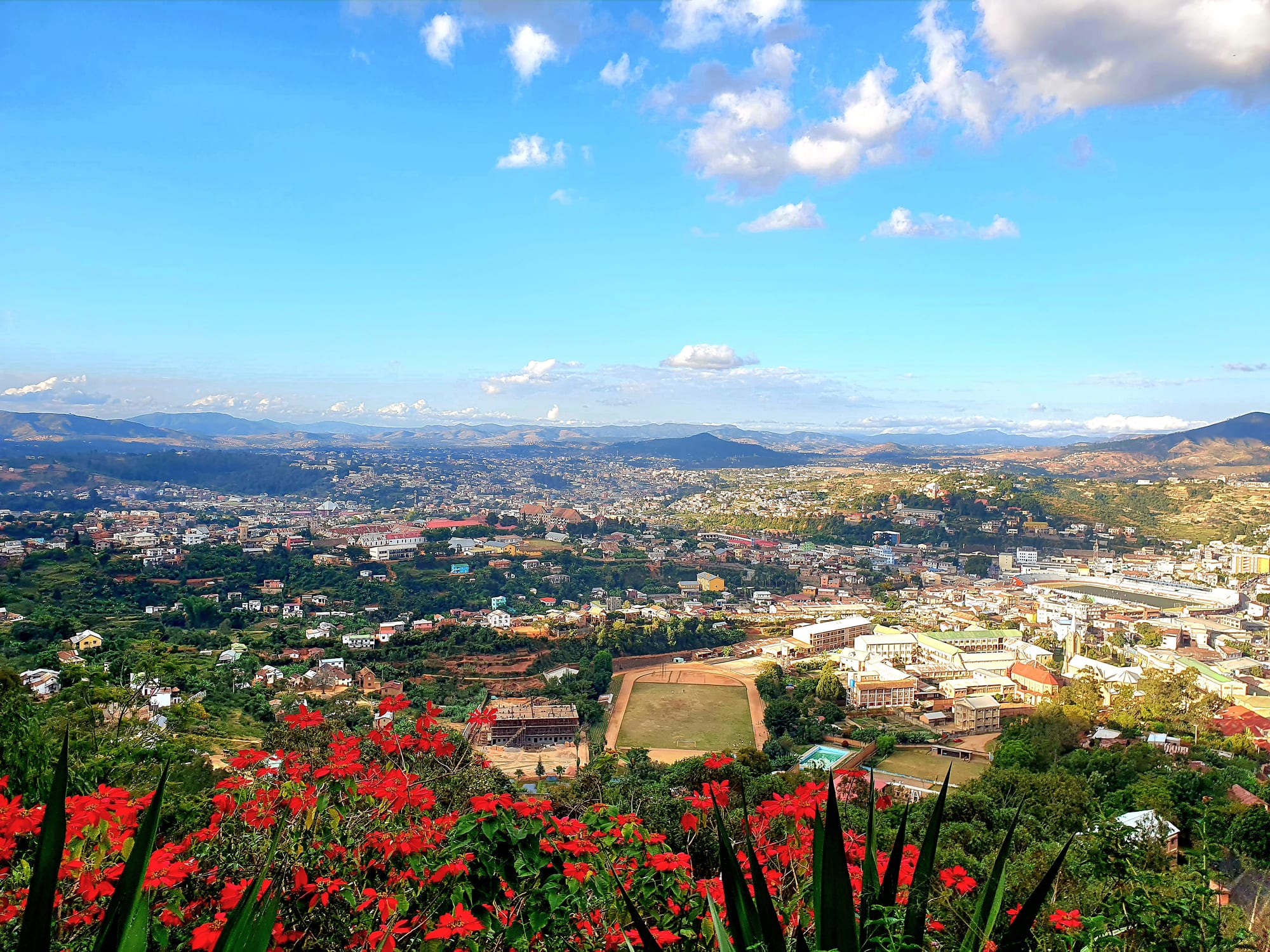
The southern plateau is the homeland of the Betsileo, rice farmers who carved the hillsides into terraces and were divided into several kingdoms, including Lalangina and Isandra, until the 19th century. The Merina conquered the region under Andrianampoinimerina and his son Radama I, and in 1831 Ranavalona I founded Fianarantsoa, whose name is usually translated as "good learning", as the seat of Merina government in the south.
Protestant and Catholic missions made Fianarantsoa an educational and religious centre: its upper town gathered churches, schools and a cathedral, and it later became the seat of a Catholic archdiocese. The south-east coast followed a different path. The Antemoro, around Vohipeno, claimed Arab ancestry and kept sorabe manuscripts, Malagasy written in Arabic script, guarded by their scribes and diviners, while the Antambahoaka of Mananjary and the Antaifasy of Farafangana had their own chiefdoms.
Under French rule, coffee plantations spread on the coast and the Fianarantsoa–Côte Est railway was built in the 1920s and 1930s to carry goods to Manakara. The 1947 uprising reached this coast from its first night, with an attack at Manakara, and the south-east saw fierce fighting and repression. Since independence, the region has remained largely rural and poor, and its coast has been battered repeatedly by cyclones.