History
The Spanish found the region in the 1560s and 1570s and called it Ibalon, a name that survives in the Ibalong epic of the heroes Baltog, Handyong and Bantong, who cleared the land of monsters. Franciscan missionaries converted the peninsula, and Nueva Cáceres — today's Naga — became the seat of a diocese in 1595 and the colonial capital of the Bicol provinces. Bicol's shipyards built Manila galleons from the local hardwood forests, and the coasts suffered Moro and Dutch raids.
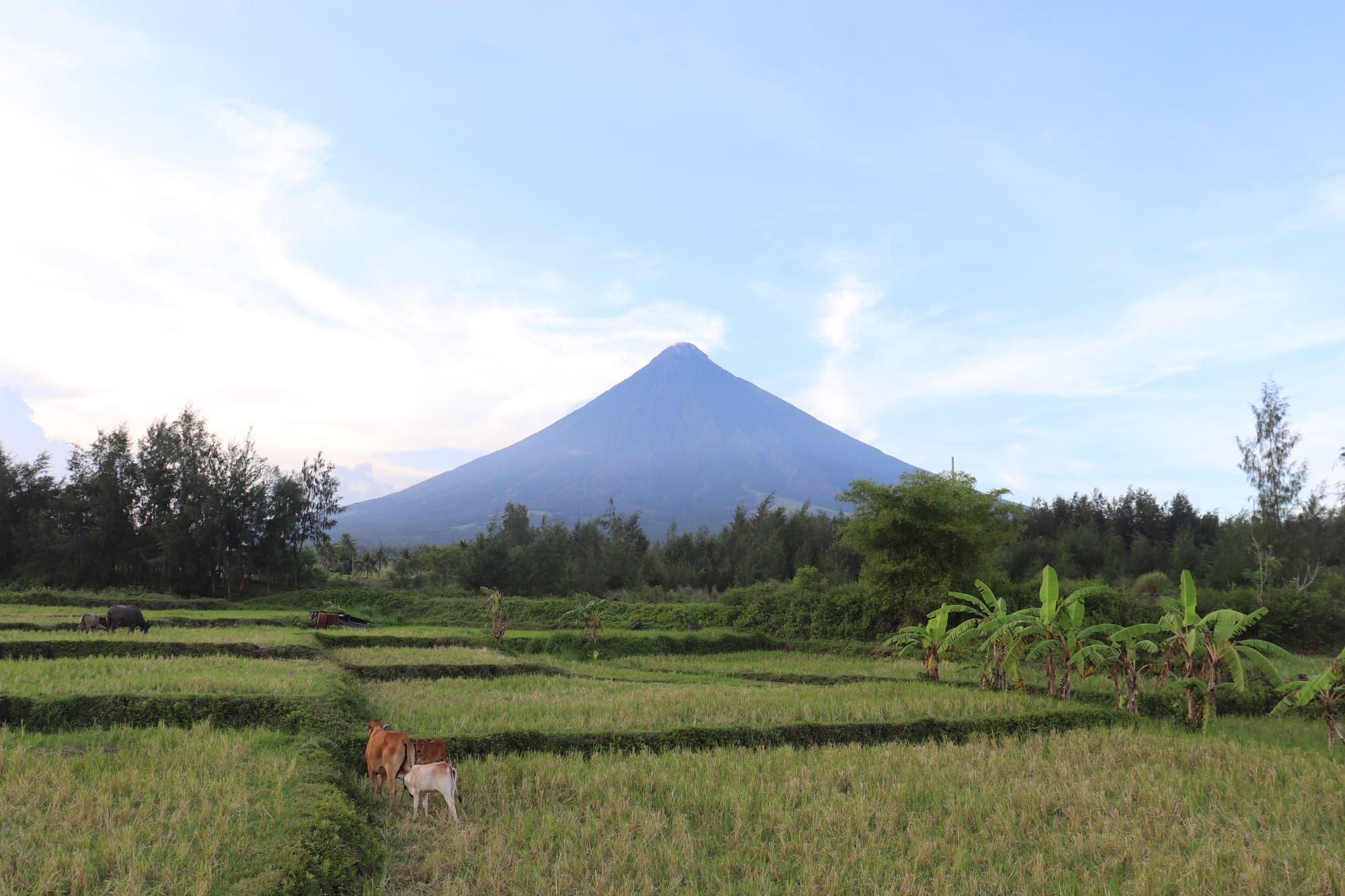
Mayon has shaped Bicol's history as much as any ruler. Its 1814 eruption buried the town of Cagsawa and killed over a thousand people, and later eruptions and lahars repeatedly destroyed farms and villages. In January 1897, during the revolution, the Spanish executed fifteen Bicolanos for aiding the Katipunan, remembered in Naga as the Fifteen Martyrs of Bicol.
The American period brought the railway from Manila and the expansion of abaca and coconut plantations, and the Second World War brought Japanese occupation and guerrilla resistance. Since independence Bicol has had a long record of disasters: Typhoon Reming in 2006 sent lahar down Mayon's slopes and killed more than a thousand people, and Naga and the Bicol River basin flooded badly again in 2024.