History
Before Rome, the north was the land of the Castro culture, whose fortified hill villages of round stone houses survive at sites such as Citânia de Briteiros near Guimarães. The Romans founded Bracara Augusta, today's Braga, as a regional capital, and after the empire fell Braga became the seat of the Germanic Suebi kingdom and an early centre of Iberian Christianity. The name of the whole country grew from here: Portus Cale, the settlement at the mouth of the Douro, gave its name to the County of Portucale, created by Christian lords in the 9th century.
Guimarães was the county's early seat, and in 1128 the young Afonso Henriques won the battle of São Mamede nearby, the first step towards the kingdom he would proclaim. Porto grew as a merchant city; João I married Philippa of Lancaster in its cathedral in 1387, and their son, Henry the Navigator, was baptised there. The city's nickname of tripeiros, tripe-eaters, is traced to a legend that it gave its meat to the fleet sailing for Ceuta in 1415.
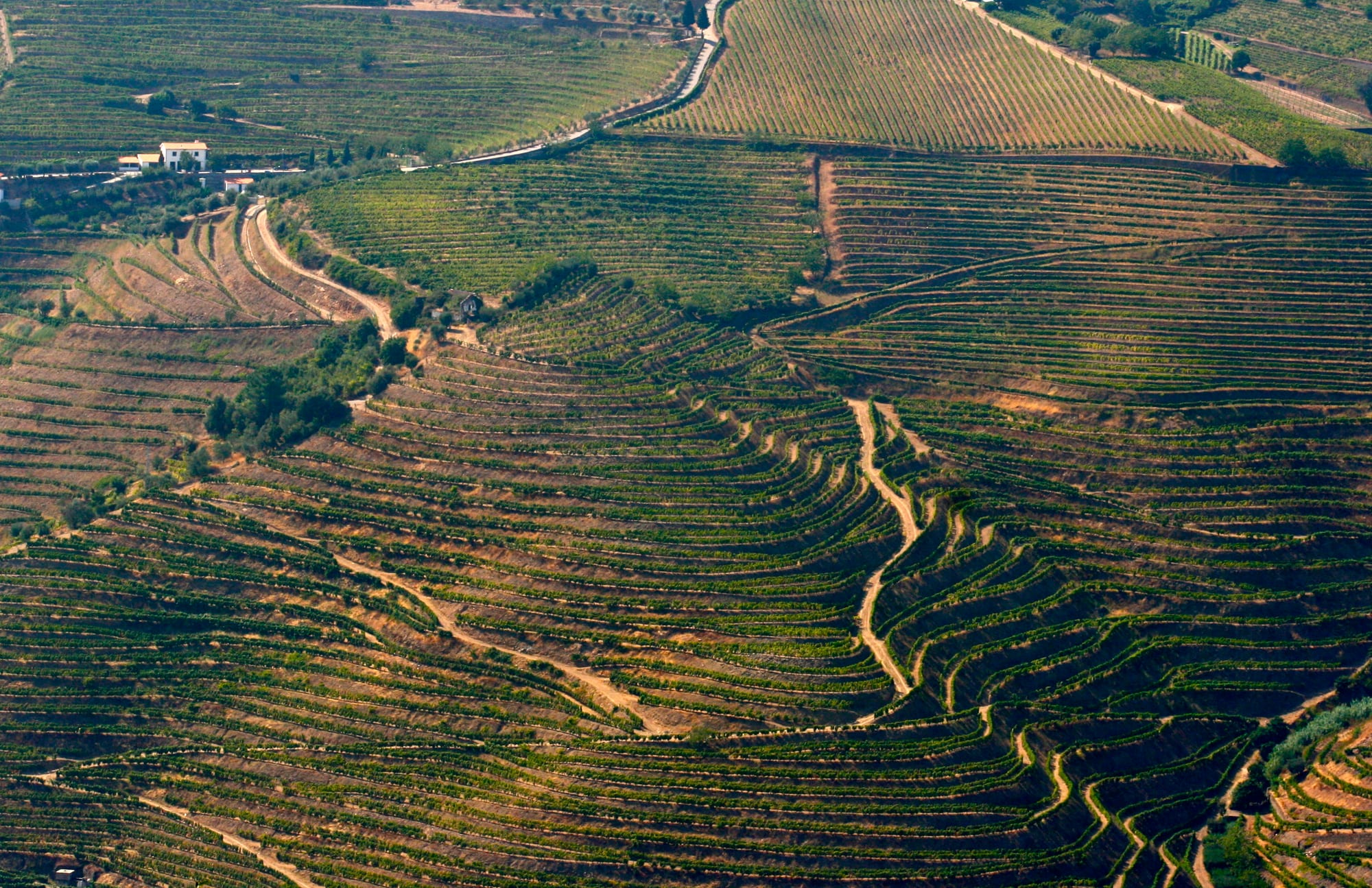
From the late 17th century the English trade in fortified wine made Porto rich, and in 1756 the Marquis of Pombal set the boundaries of the Douro wine region. Porto launched the liberal revolution of 1820 and withstood a year-long siege in the civil war of 1832–33. Through the 19th and 20th centuries the Minho and Trás-os-Montes sent emigrants to Brazil and then France, while the textile towns of the Ave valley industrialised. Porto's old centre was listed by UNESCO in 1996, the Alto Douro in 2001.