History
The Alentejo is thick with prehistory. Hundreds of dolmens and standing stones survive around Évora, including the Almendres Cromlech, raised over several thousand years from the Neolithic. Rome made the region a granary, founding Pax Julia at Beja and building the temple that still stands in Évora, then known as Ebora. Under Moorish rule from the 8th century, the south became part of the Gharb al-Andalus; Mértola on the Guadiana was a river port, and its main church was built as a mosque.
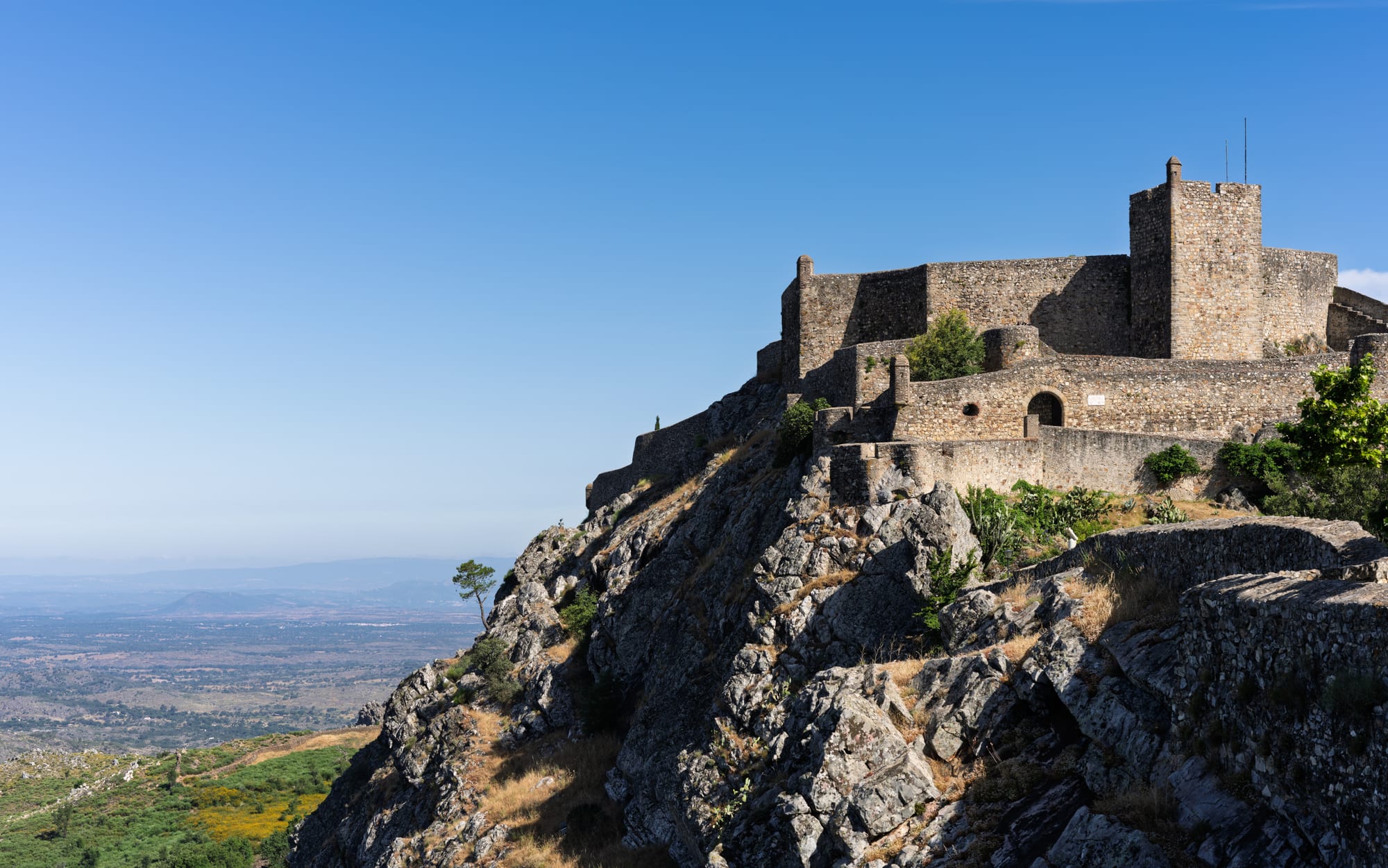
The reconquest in the 12th and 13th centuries handed the land to the crown, the military orders and the nobility, and the pattern of latifúndios, huge estates worked by landless labourers, was set for seven centuries. Évora became a royal residence in the 15th and 16th centuries, when the university was founded under the Jesuits, and the Dukes of Braganza built their palace at Vila Viçosa; when they took the throne in 1640, the Alentejo supplied a royal house. Elvas and Marvão were fortified as bulwarks against Spain.
The 20th century brought hunger and conflict. In 1954 the farmworker Catarina Eufémia was shot dead by the Republican National Guard during a strike at Baleizão, near Beja, and became a symbol of resistance. After the 1974 revolution labourers occupied the estates and formed collective farms. The Alqueva dam, completed in 2002, has since transformed farming with irrigation.