History
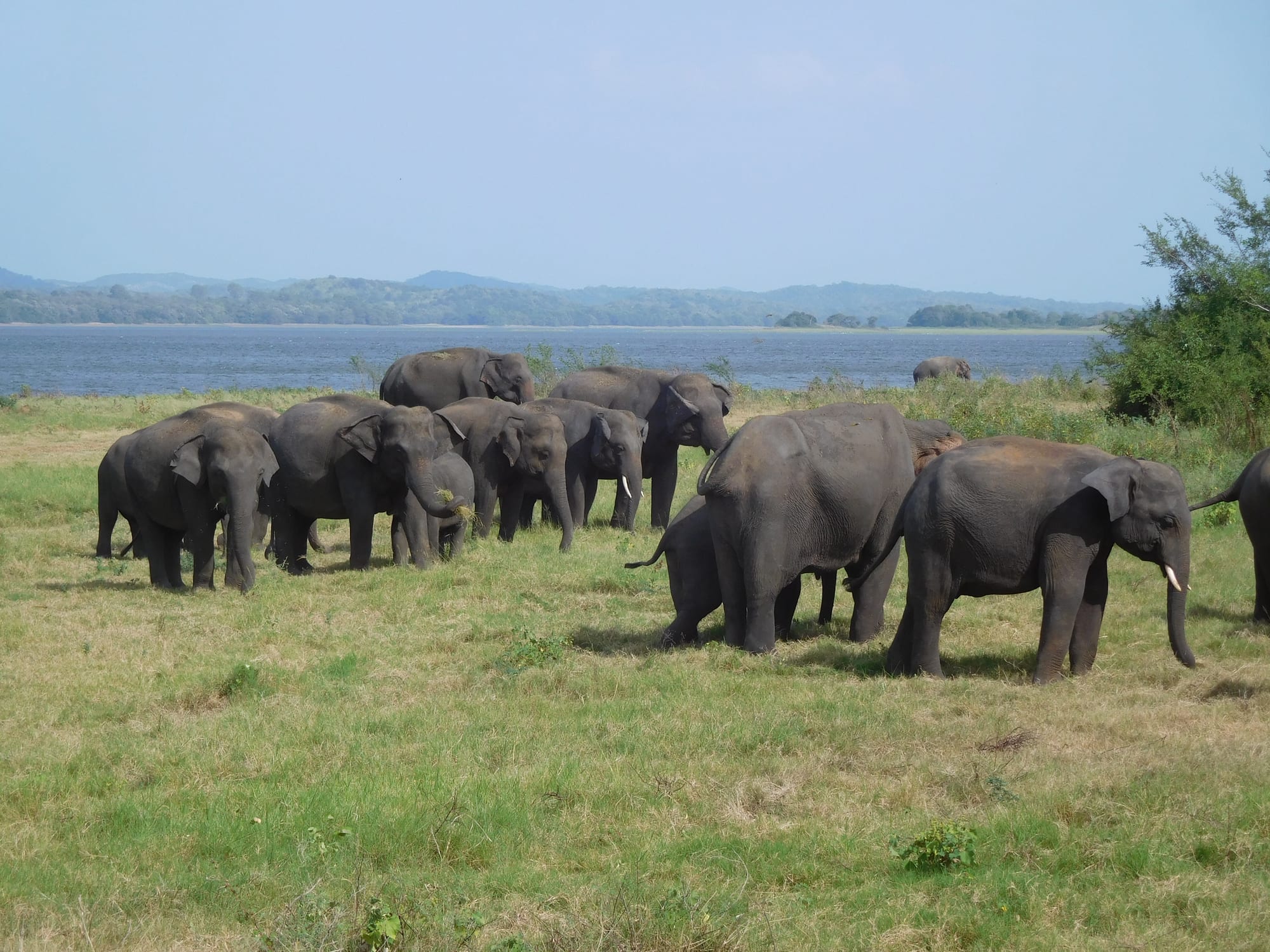
The dry plains are where Sinhalese civilisation took shape. By tradition Anuradhapura was founded in the 5th century BC, and in the 3rd century BC the monk Mahinda, sent from the Mauryan court in India, converted King Devanampiya Tissa on the hill of Mihintale; a cutting from the Bodhi tree was then planted in the city. For more than a thousand years Anuradhapura was the island's capital, adorned with monasteries such as the Mahavihara, Abhayagiri and Jetavana and fed by vast tanks, or reservoirs, built by kings including Mahasena, whose Minneriya reservoir still holds water.
The period was also marked by conflict with South Indian rulers. King Dutugemunu defeated the Tamil king Elara in the 2nd century BC and raised the Ruwanwelisaya stupa, and in the late 5th century AD Kashyapa I, having killed his father, built his palace on Sigiriya before being defeated by his brother. In the late 10th century the Chola empire sacked Anuradhapura and ruled from Polonnaruwa; Vijayabahu I drove them out in 1070 and kept Polonnaruwa as the capital. Under Parakramabahu I in the 12th century it reached its height, with the Parakrama Samudra reservoir and the Gal Vihara carvings.
After Polonnaruwa fell to invasion in the 13th century, the kings moved south-west, ruling briefly from Dambadeniya, Yapahuwa and Kurunegala, and the jungle took the old cities. British surveyors and archaeologists uncovered them from the 19th century, and in the 20th century the tanks were restored and the dry zone was resettled with colonists and new irrigation schemes.