History
The south was the core of Ruhuna, the southern principality that often stood apart from the kings of Anuradhapura. From its seat at Mahagama, today's Tissamaharama in Hambantota district, the prince Dutugemunu set out in the 2nd century BC to unite the island. Buddhist monuments such as the stupas of Tissamaharama and the rock temple of Mulkirigala date from this long period, and Devinuwara, near Dondra Head, grew into a major temple town before the Portuguese destroyed it in the 16th century.
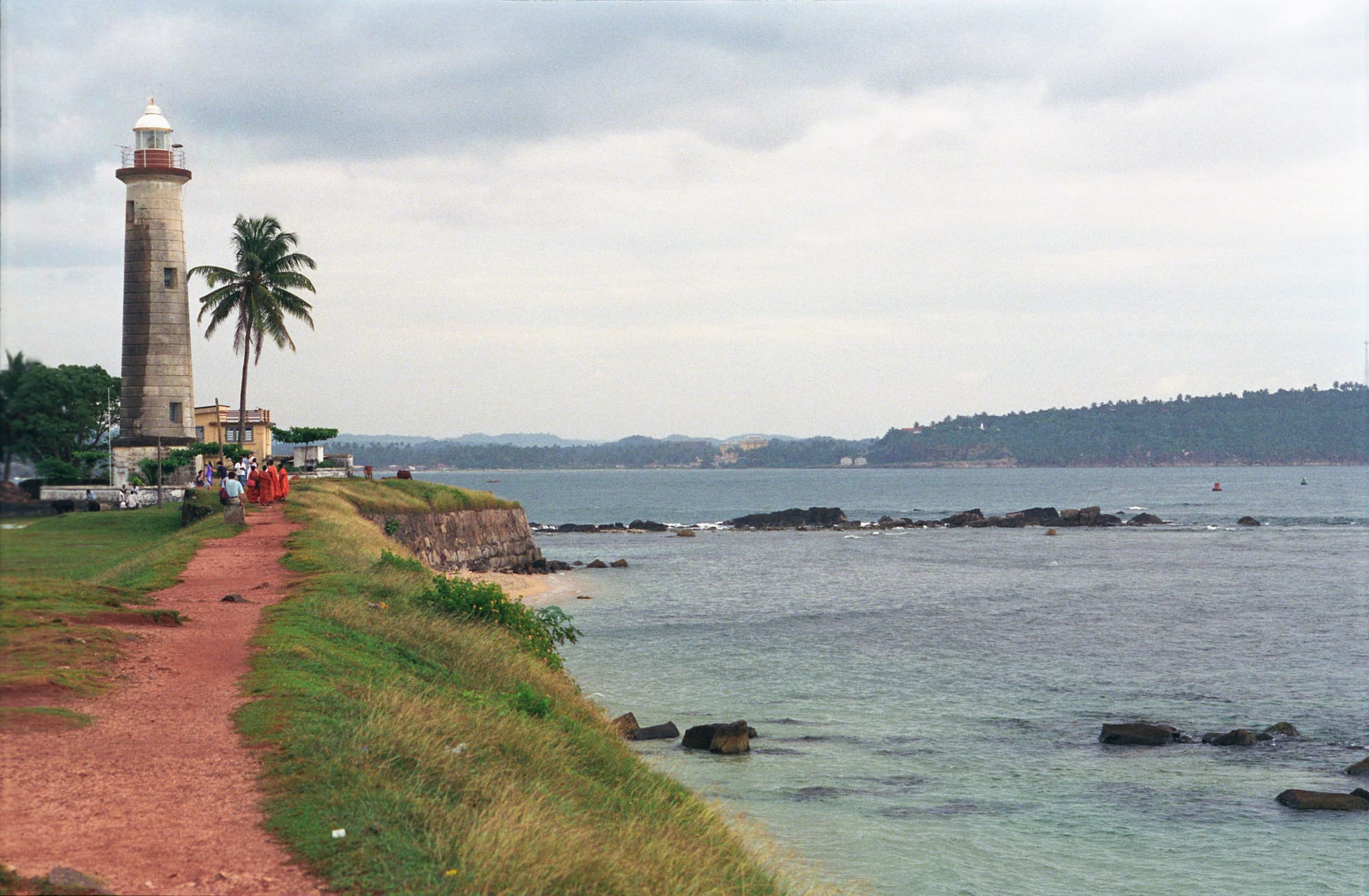
Galle was a trading port long before Europeans arrived, visited by Arab, Persian and Chinese ships. The Portuguese reached it in the early 16th century and built a first fort. The Dutch captured Galle in 1640 and turned it into their main port and a fortified town, building the ramparts and bastions that still surround it; in Matara they added the small Star Fort in the 18th century. The British took over in 1796 and kept the fort as the district's administrative centre.
The 2004 tsunami struck this coast with enormous force. Thousands died in Galle, Matara and Hambantota districts, and at Peraliya, north of Galle, a crowded train was swept off its tracks, the worst rail disaster in the country's history. Reconstruction followed, and from the late 2000s Hambantota, the home district of the Rajapaksa family, received a Chinese-financed port, an airport and a cricket stadium; the port was leased to a Chinese company in 2017 after Sri Lanka struggled to repay the loans.