Culture & Customs · United States
United States: A Nation of Many Nations
A constitution that keeps church and state apart, first names from the first handshake, a tip on almost every bill, and hundreds of Native nations with their own governments
By Globeway Editorial · 30 September 2026
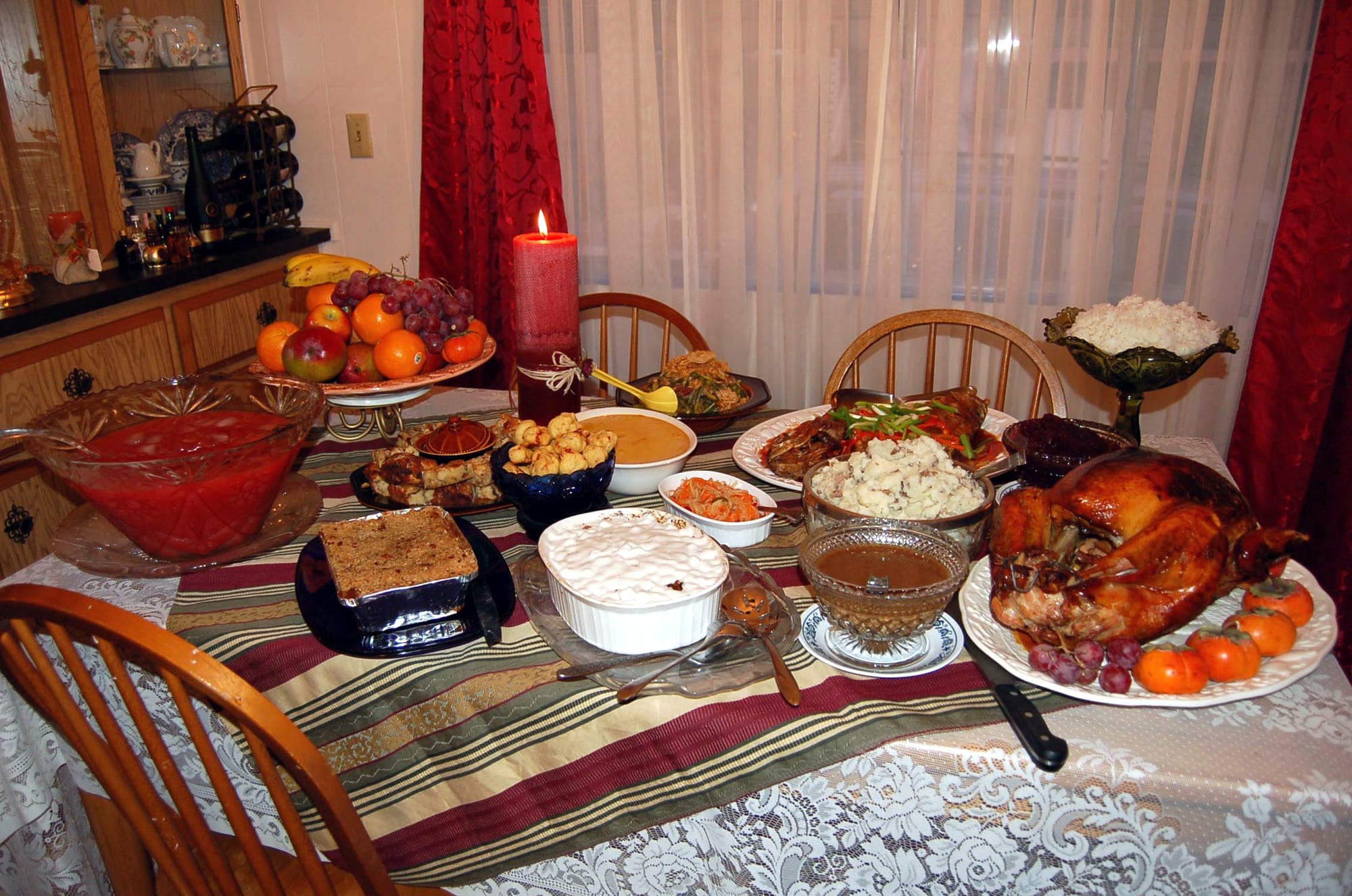
On the fourth Thursday of November, much of the United States sits down to the same meal. Families gather around a roast turkey, and around it sit dishes that change from one household to the next according to where each family's story began: rice beside the mashed potato, a pickle from one grandmother's country next to a pie from another's. Friends who are far from home are drawn in by someone with room for one more at the table. Thanksgiving has been a national observance since Abraham Lincoln's proclamation of 1863, and in a single afternoon it captures much of the country's character: informal, generous with an invitation, assembled from many origins and still fond of a shared ritual. It also carries a tension that runs through American life, since for many Native Americans the familiar story of the holiday's beginnings is a painful myth. The United States has always been a nation of many nations.
Faith, identity and values
Religion in the United States is a matter of personal choice, protected by a constitution whose First Amendment bars Congress from establishing a religion or prohibiting its free exercise. There is no state church, yet faith remains visible in public life, and patriotic language often invokes God. According to the Pew Research Center's 2023–24 Religious Landscape Study, about 62 per cent of adults describe themselves as Christian, 40 per cent Protestant and 19 per cent Catholic, while 29 per cent have no religious affiliation. Jewish, Muslim, Hindu, Buddhist and other communities make up most of the rest. The long decline in Christian identification appears to have levelled off in recent years.
The values most often described as American centre on the individual. Personal freedom, to choose how to live, what to believe and what to say, is treated as a birthright, and self-reliance is admired. The ideal of the American Dream holds that anyone should be able to rise through their own effort regardless of class or place of birth, and success is widely credited to hard work rather than inheritance. Patriotism is expressed openly, through the flag, the national anthem and the Pledge of Allegiance, and soldiers and veterans are widely honoured.
The country is also profoundly diverse. Alongside Americans of European descent are large Hispanic and Latino, Black and Asian American communities, and the continent's first peoples: hundreds of American Indian and Alaska Native nations, each with its own history, language and ceremonies, and many with their own governments. Race remains a sensitive subject, shaped by the legacy of slavery and segregation, and preferred terms differ from person to person; many people would rather be identified by a specific heritage or nation than by a broad label. Using Native American imagery as costume or decoration is widely regarded as offensive.
Greetings and meeting people
Americans tend to be informal from the first meeting. A firm handshake with direct eye contact is the standard greeting on introduction and in business, while friends and family often hug. First names are used almost at once, even across differences of age and rank, and a ready smile is part of the exchange and is appreciated in return. At social gatherings, newcomers are generally expected to introduce themselves rather than wait for someone to do it for them.
"How are you?" is a greeting rather than a genuine enquiry, and the expected reply is brief and cheerful before the conversation moves on. Striking up conversation with strangers is normal, and a common early question is "So, what do you do?", since work is a ready opening for talk. Communication is direct: people aim to say what they mean clearly, ask questions freely and expect others to do the same, and silence is often taken as a sign that everything has been understood. Humour is a common way to break the ice, though styles vary widely from place to place and person to person.
Personal space matters. Americans like to keep a fair distance in conversation and will often leave an empty seat between themselves and a stranger on public transport. Loud emotional outbursts are frowned upon, as is swearing in front of children or in a professional setting, and a raised middle finger is deeply offensive. Gun control, race, reproductive rights and party politics are best approached with care until a relationship is established, since views are strongly held and sharply divided. Sport is a safer shared subject: loyalty to college and professional teams runs high, and friendly banter between rival fans is part of the fun rather than a cause for offence.
Hospitality and being a guest
Visits to a home are usually arranged in advance rather than made on the spur of the moment. For a dinner or a small gathering, guests are expected to arrive on time; for a large party, arriving somewhat after the stated time is generally acceptable. Shoes generally stay on unless the host asks otherwise. A drink is almost always offered on arrival, but food may not be unless the visit falls at a mealtime, and it is polite not to overstay without a clear invitation to remain. A modest gift suits a special occasion, while cash is generally inappropriate unless it has been agreed in advance. Any gift received should be thanked for warmly, whatever its merits; complaining about a present is considered extremely rude.
At the table, diners wait until everyone has been served before starting. The typical American style is to cut food with the fork in the left hand and the knife in the right, then set the knife down and move the fork to the right hand to eat. Some foods, such as burgers and pizza, are simply eaten by hand. Eating with the mouth open, talking while chewing and cutting up the whole plate at once are all considered poor manners, but accepting a second helping is fine, and taking leftovers home from a restaurant is entirely normal. Smokers are expected to ask before lighting up near others.
Tipping is the custom a visitor most needs to understand. Tips form a real part of many service workers' income, and restaurant bills are presented without tax or tip, which together can add a fifth or more to the prices on the menu. The usual restaurant tip is 15 to 20 per cent of the bill, and similar percentages are expected by taxi drivers, hairdressers and barbers, with a small tip for hotel porters. Leaving no tip is not seen as neutral; it is generally read as a sign that the service fell short.
Festivals and life's big moments
Federal law sets eleven public holidays for the federal workforce, and together they shape the national calendar: New Year's Day; the birthday of Martin Luther King Jr in January; Washington's Birthday in February; Memorial Day in May, honouring those who died in military service; Juneteenth National Independence Day on 19 June, commemorating the emancipation of enslaved African Americans; Independence Day on 4 July; Labor Day in September; Columbus Day in October; Veterans Day on 11 November; Thanksgiving; and Christmas Day.
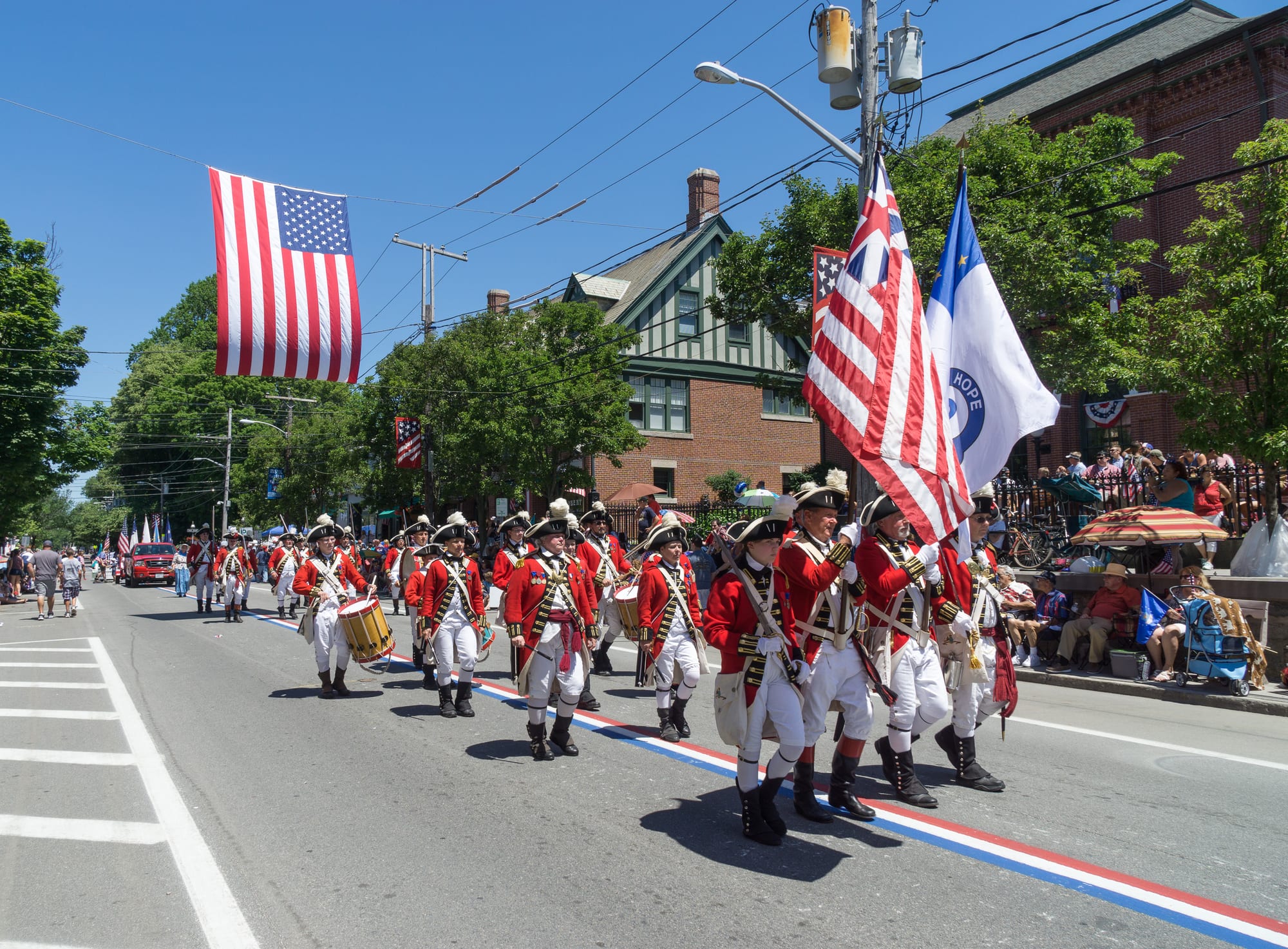
Independence Day is the great civic celebration. Since the earliest anniversaries of the Declaration of Independence it has been marked with parades, picnics, speeches and fireworks, and it remains a day of processions in towns large and small, family barbecues in the afternoon and firework displays after dark. Thanksgiving, set by Congress in 1941 on the fourth Thursday of November, is the great family holiday. The Smithsonian's National Museum of the American Indian notes that the popular story of the first Thanksgiving is largely a myth, and that many Native people approach the day with mixed feelings; some mark it with gratitude and family, others with remembrance.
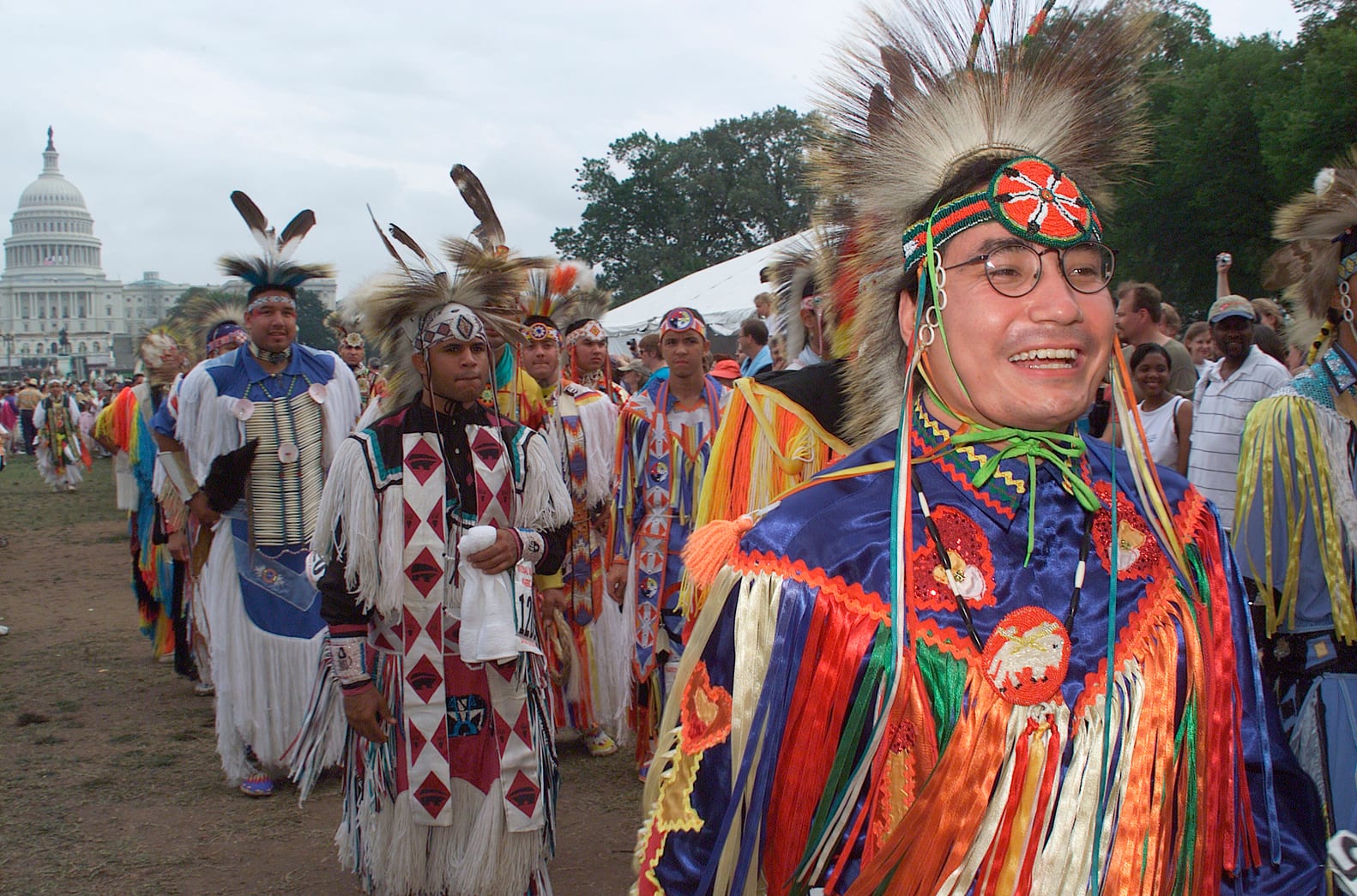
Across the country, Native nations hold powwows, gatherings of dance, drumming and song that are often open to the public. Visitors are welcome, but as guests at what participants regard as a sacred occasion. The master of ceremonies announces when spectators may take photographs or join a dance; everyone who is able stands for the Grand Entry, when the dancers process into the arena; the seats nearest the circle are kept for dancers, singers and drummers; and alcohol is not allowed. Regalia, often handmade and sometimes sacred, should never be touched or described as a "costume", and no photographs should be taken during prayers or flag songs.
Weddings take many forms, religious and civil, but some customs for guests are widely shared. Couples commonly set up a gift registry so that guests can choose something the couple actually needs, and a wedding invitation carries an unspoken expectation of a gift, even from a guest who cannot attend; money towards a trip or a home is also acceptable. The couple, in turn, owe their guests prompt and thoughtful thank-you notes. After a death, family and friends often gather at a visitation at the funeral home before the service. Flowers may be sent to the bereaved family's home, the place of worship or the funeral home, and the family traditionally acknowledges flowers and letters of sympathy with short personal notes of thanks.
Arts, crafts and music
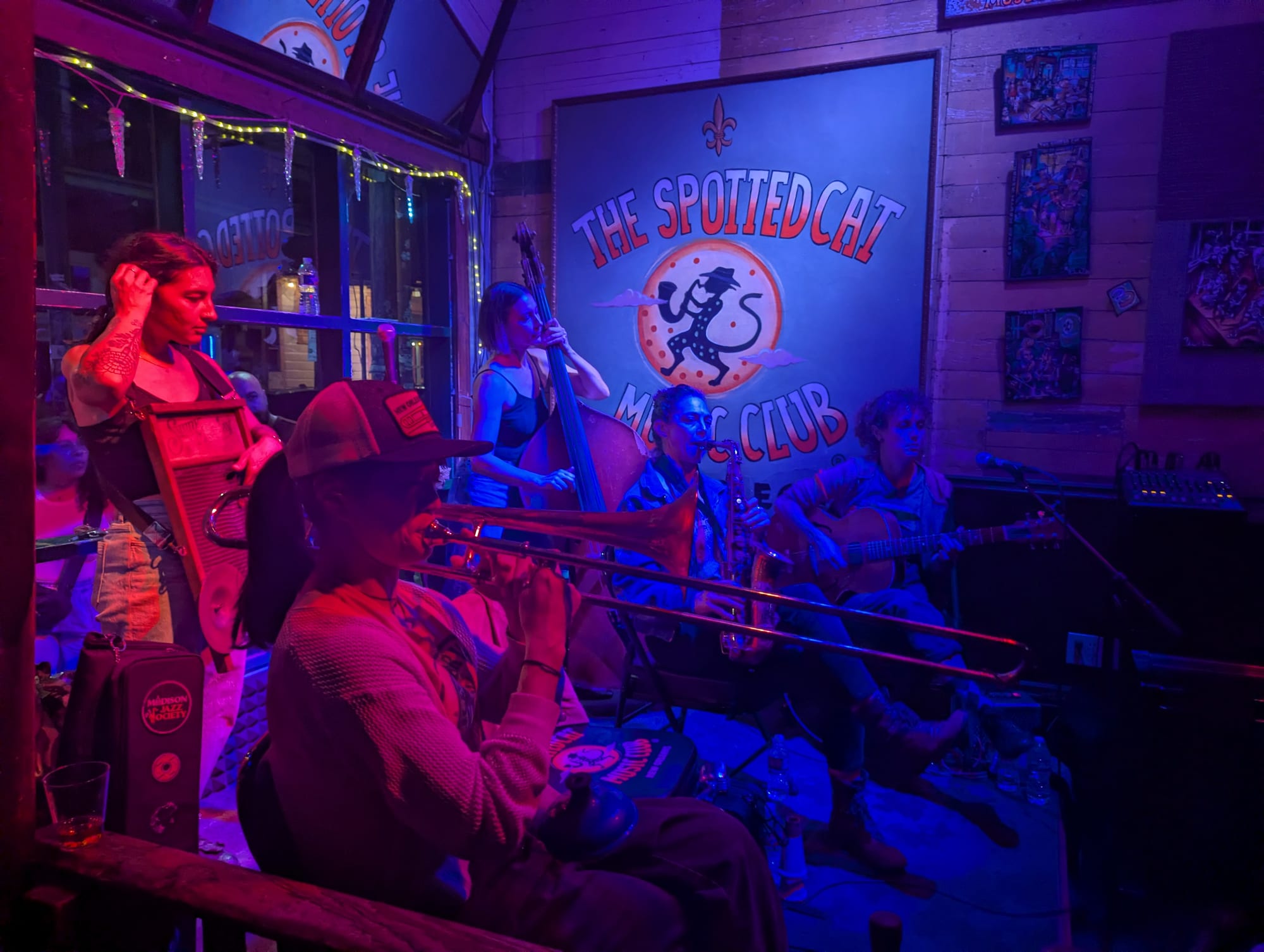
Jazz is often celebrated as a distinctly American art form, and the Smithsonian's National Museum of American History has celebrated it every April with Jazz Appreciation Month since 2001. Its call-and-response patterns and rhythms can be traced to Africa and its instruments and harmonies to Europe, but the synthesis is American, rooted in the African American blues and ragtime of the late nineteenth century and first shaped into jazz in New Orleans around the start of the twentieth. From that beginning grew a century of popular music, from jazz and blues to country and hip-hop, that sits alongside Hollywood, streaming television and professional sport among the country's best-known cultural exports.
Native American art is a living tradition rather than a museum piece, seen in the jewellery sold by Native artists and in the handmade regalia worn at powwows, and it is protected by law. The Indian Arts and Crafts Act of 1990 makes it illegal to offer, display or sell any art or craft in a way that falsely suggests it was made by an American Indian or by a member of a particular tribe; selling non-Native jewellery labelled as "Indian" or "Navajo" is the classic example. Individuals face fines of up to $250,000 and up to five years in prison for a first offence, and businesses fines of up to $1 million. For buyers, the safest course is to buy directly from Native artists or from outlets that can vouch for who made the work.
Dos and don'ts for visitors
- Do tip around 15 to 20 per cent in restaurants, and similar amounts to taxi drivers and hairdressers.
- Do greet with a firm handshake and eye contact, and expect to be on first-name terms almost at once.
- Do arrive on time for a dinner invitation, though arriving later is normal at a large party.
- Do stand for the Grand Entry at a powwow and wait for the master of ceremonies to say when photographs are allowed.
- Do buy Native American art from Native artists or trusted outlets; passing off fakes as Native-made is illegal.
- Don't wear a feathered headdress or "Indian" costume, and never call powwow regalia a costume.
- Don't raise gun control, race or party politics lightly with people just met.
- Don't smoke near others without asking first, and keep swearing out of earshot of children and colleagues.
What to take away
The United States can seem to run on very few formal rules, but beneath its easy informality sit a handful of firm expectations, punctuality, the tip, a respectful distance and respect for the many nations that make up the country, and visitors who honour them will find the door readily opened.