Food · United States
United States: Food and the National Dish
A grilled beef patty in a bun, adapted from German immigrant cooking into the country's most globally recognised meal
By Worldlore Editorial · 30 September 2026
A cuisine too regionally varied for one single answer
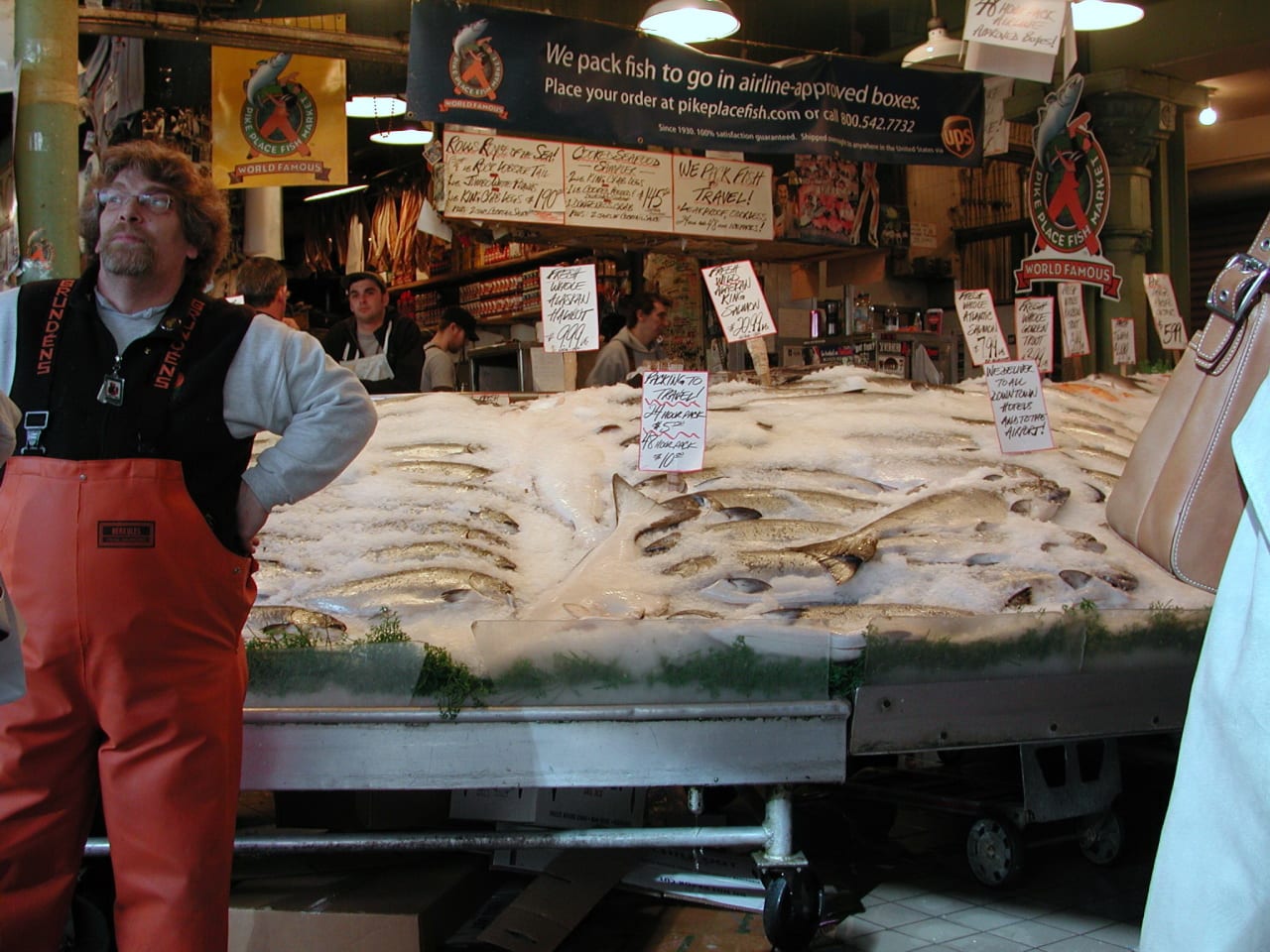
The United States is large and diverse enough that no single dish genuinely represents the whole country the way a national dish might elsewhere, from Louisiana's Creole and Cajun cooking to Texas barbecue and New England seafood. The hamburger comes closest to a shared national answer, recognised and eaten in some form nearly everywhere in the country.
The national dish: the hamburger
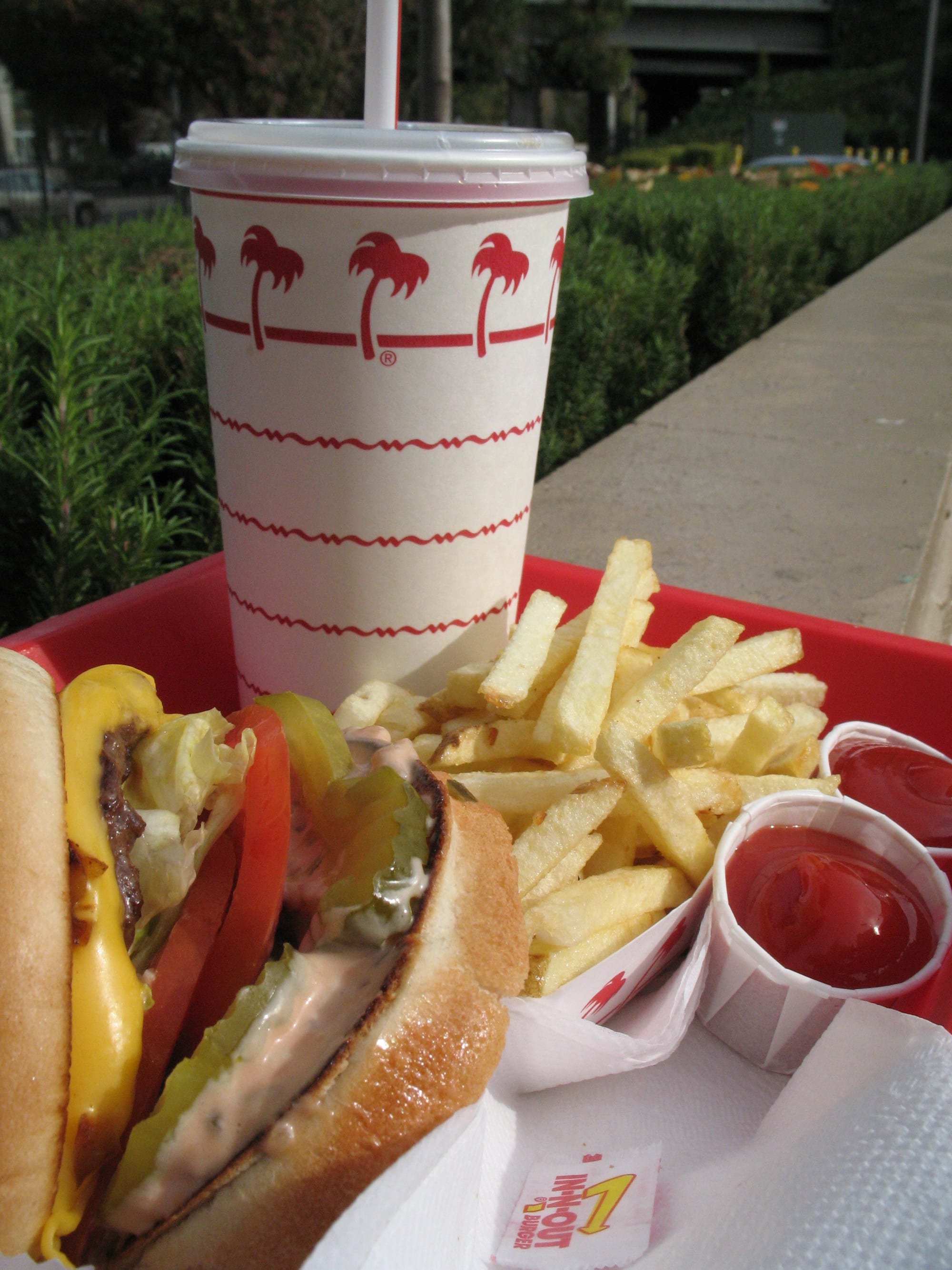
The hamburger, a grilled or fried beef patty served in a bun, often with cheese, lettuce, tomato and condiments, is the closest thing the United States has to a national dish, genuinely eaten and adapted across every region of the country. Widely traced to Hamburg steak, a German ground beef dish that became popular on New York restaurant menus in the late 19th century, the hamburger's exact bun-and-patty form developed in the US and has since become one of the most internationally recognised American exports.
Beef, corn and a genuinely vast regional pantry
Beef and corn, both produced at enormous scale across the country's farmland, anchor much of American cooking, alongside wheat, dairy and a wide range of regional specialties shaped by immigration and geography. Barbecue technique, seafood traditions along both coasts and Louisiana's distinct Creole and Cajun spice base show just how differently "American food" looks depending on the region.
History behind the bun
Hamburg steak, made popular by migrating Germans in the 19th century, was a ground beef dish usually served on a plate rather than in a bun, and its transformation into a bunned sandwich sold at American fairs and diners from the 1890s, gaining national attention at the 1904 St. Louis World's Fair, created the dish now recognised worldwide as a hamburger. Fast-food chains built around the hamburger from the mid-20th century onward turned it into one of the country's most globally exported foods.
Dishes to know
Five more to recognise across the United States:
- Barbecue — slow-smoked meat, with genuinely distinct regional
styles across Texas, Kansas City, Memphis and the Carolinas.
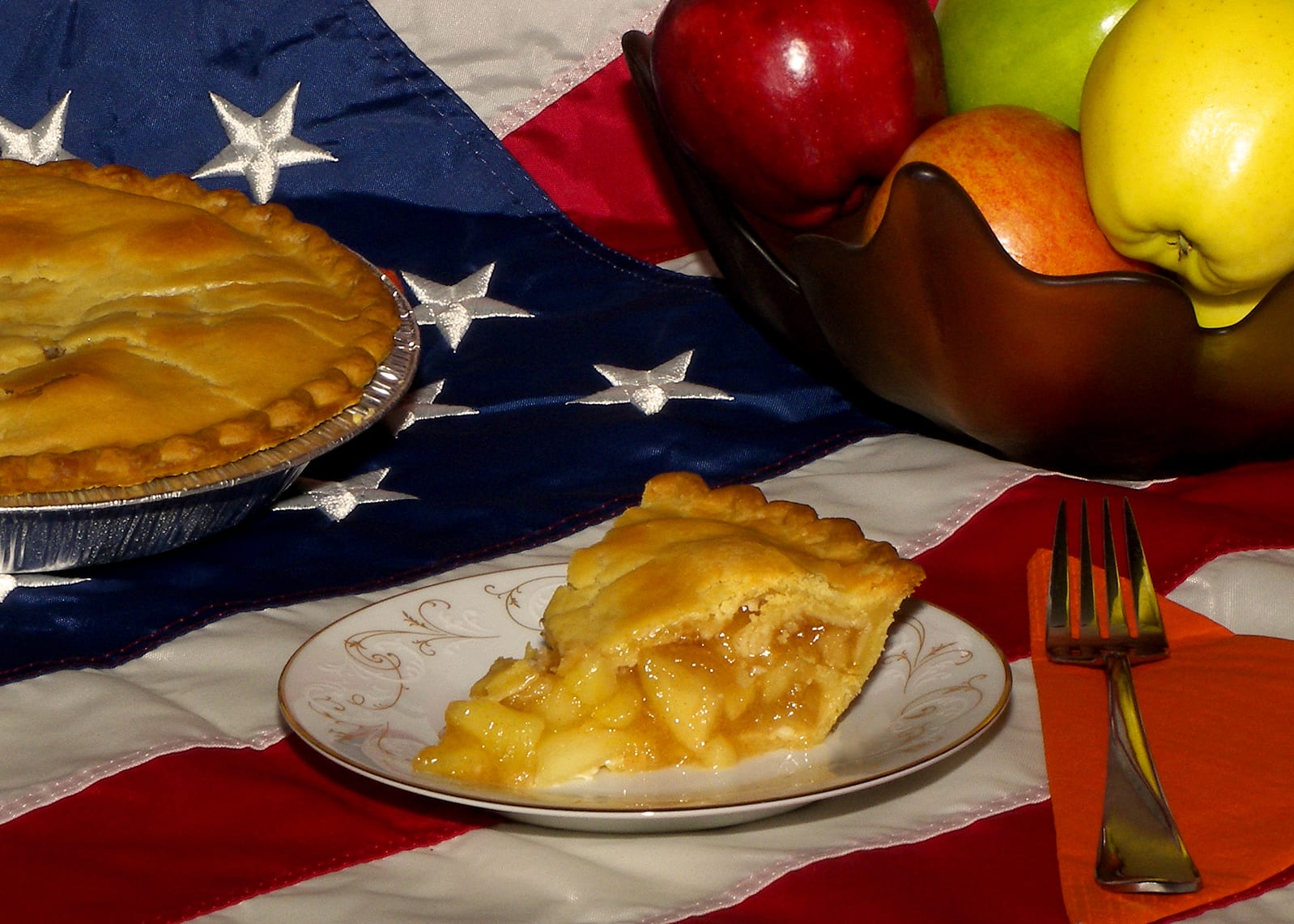
- Apple pie — a baked fruit pie first recorded in England, now closely
associated with American identity in popular culture.
- Gumbo — a Louisiana stew, served with rice, that combines West
African, French, Spanish, German and Native American Choctaw influences.
- Clam chowder — a clam and potato soup, in its creamy New England
form especially associated with the Northeast.
- Hot dog — a grilled, steamed or boiled sausage in a sliced bun,
from German sausages and closely associated with baseball.
Drinks
Coffee, taken constantly throughout the day, is a genuine everyday staple across the United States. Craft beer, produced by a large and genuinely thriving small-brewery industry, and sweetened iced tea, especially in the South, are also widely enjoyed.
Eating as a traveller
Vegetarians will find bean, vegetable and dairy-based dishes manageable, and most cities offer extensive international dining options given the country's immigrant history. Tap water is safe to drink directly across the United States. Trying regional specialties, Texas barbecue, New England seafood or Louisiana gumbo, rather than assuming one dish represents the whole country, is the genuine way to understand American food.
What to take from the table
The hamburger, adapted from German immigrant cooking into the country's most recognised export, comes closest to a shared national answer, but the United States's real food story is told region by region.