Attractions & Natural Wonders · United States
United States: Ten Attractions and Natural Wonders
A canyon so vast it holds nearly two billion years of exposed geological history, a geyser regular enough for rangers to predict its eruptions, and volcanoes still building an island chain
By Worldlore Editorial · 30 September 2026
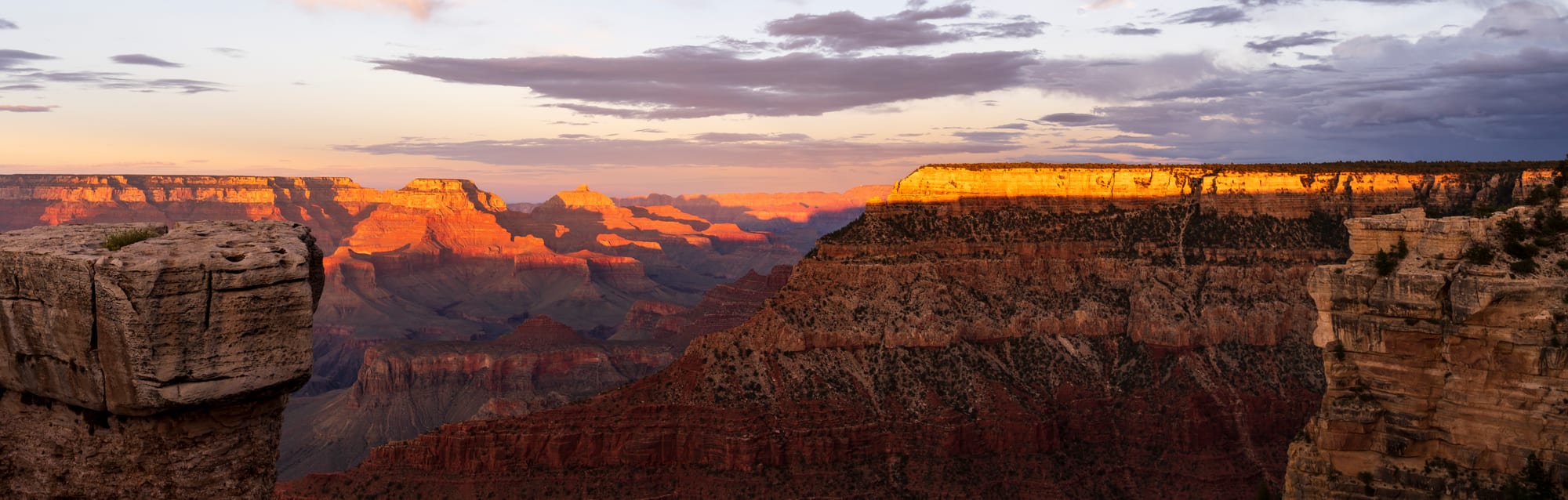
A vast country of extraordinary range
The United States spans an enormous range of landscape and culture within a single nation — the world's most famous canyon, a supervolcano's geyser basin, and an island chain still being built by active volcanoes, alongside cities whose skylines and street life have shaped global popular culture for over a century. Its sheer scale means no single trip can cover more than a fraction of what the country holds.
The ten below span the American West, the East Coast, the South, and Hawaii. Each region has its own best season, though summer generally offers the most reliable weather for outdoor sightseeing across most of the country.
1. The Grand Canyon
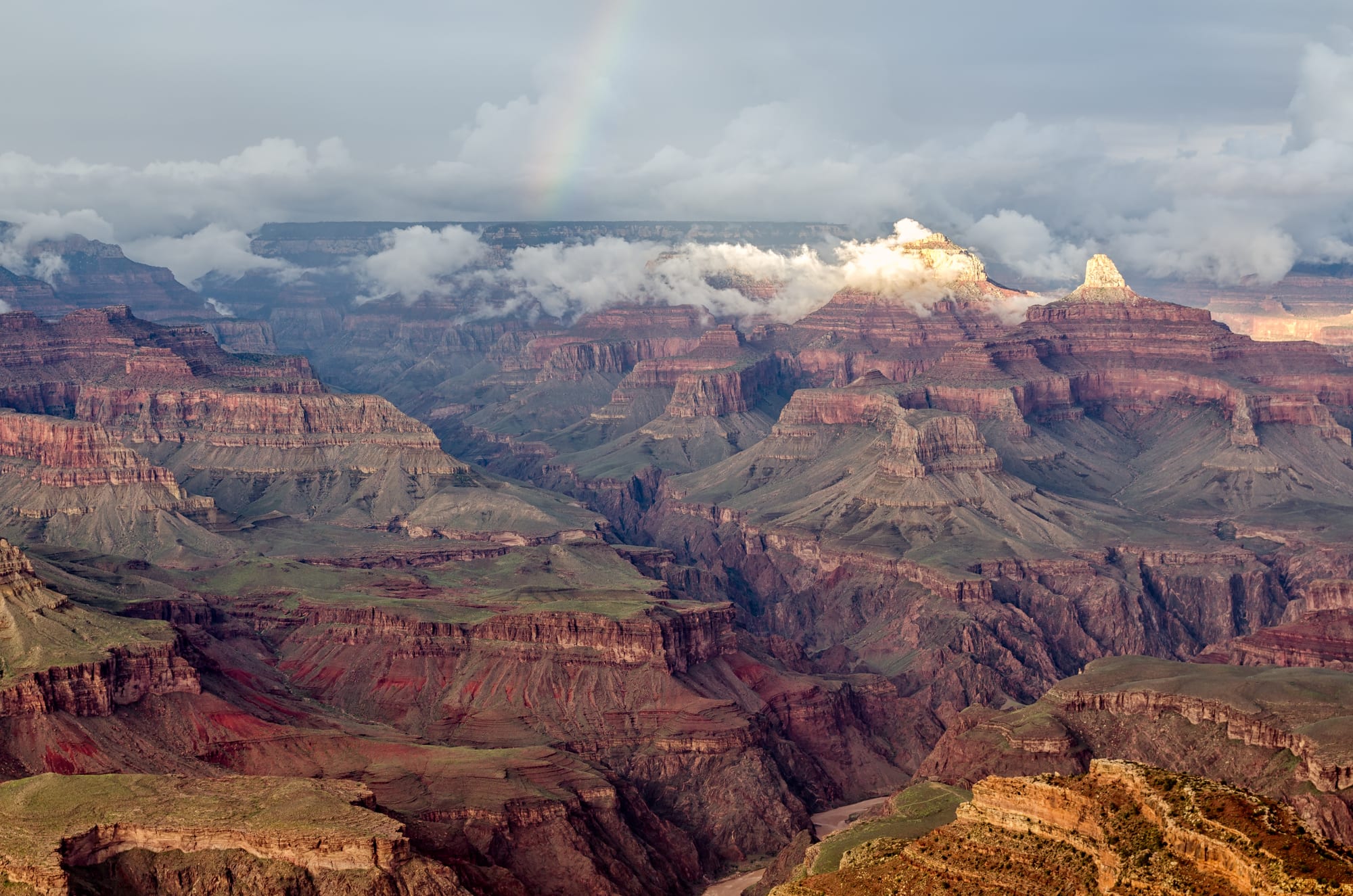
The Grand Canyon, carved by the Colorado River over roughly five to six million years, exposes nearly two billion years of the earth's geological history in its layered rock walls, making it one of the most studied landscapes on earth for understanding deep time. Its South Rim, the most visited section, offers a range of viewpoints and trails leading down into the canyon itself.
2. The Statue of Liberty
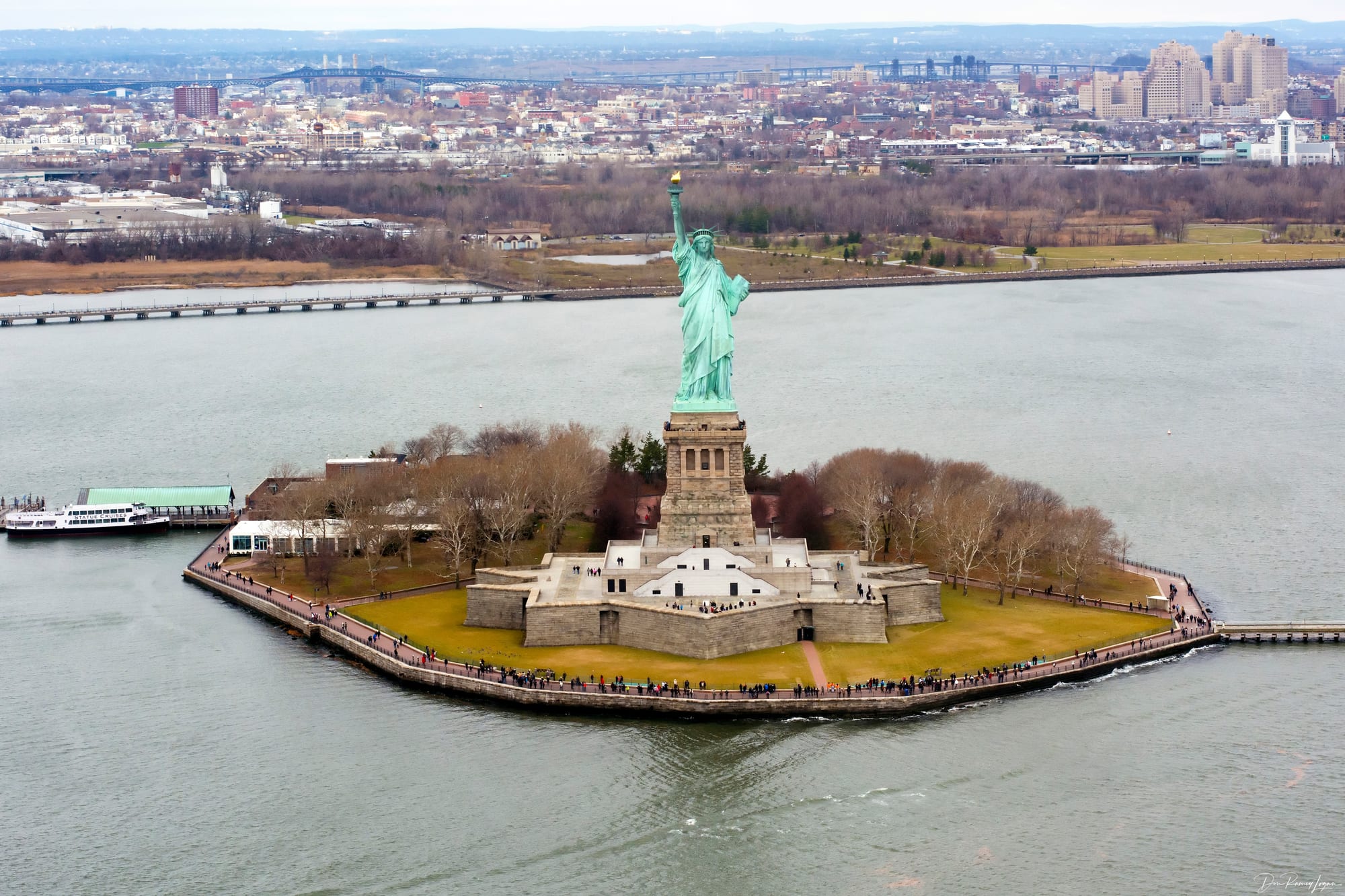
The Statue of Liberty, a gift from France dedicated in 1886, became the first glimpse of America for millions of immigrants arriving by ship through nearby Ellis Island, and remains one of the most globally recognisable symbols of the United States. Ferries from Manhattan and New Jersey carry visitors to the island itself.
3. Yellowstone National Park
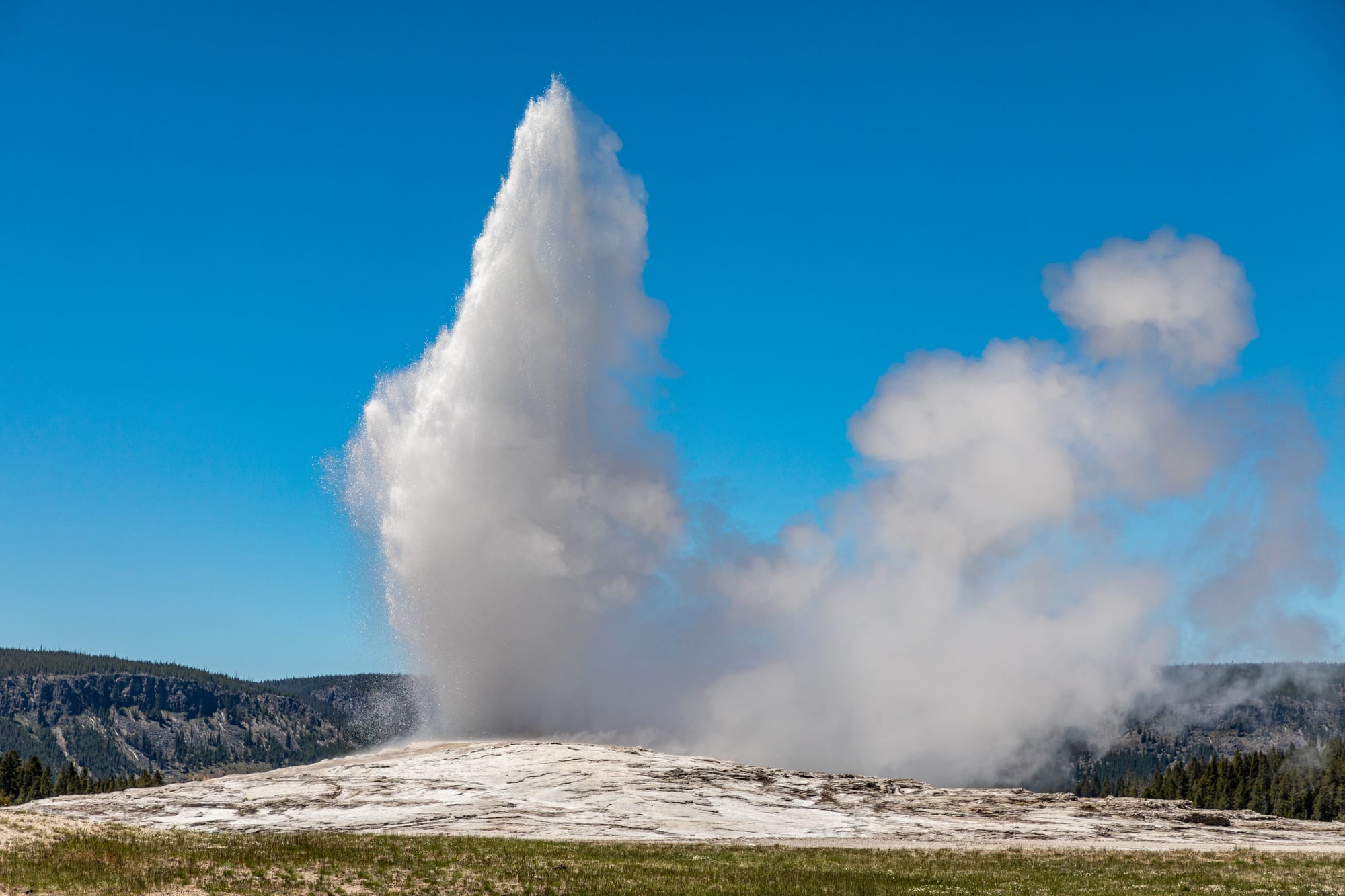
Yellowstone, the world's first national park, sits atop one of the largest active volcanic systems on earth, its geothermal features including Old Faithful, a geyser reliable enough that rangers can predict its eruptions to within a fairly narrow window. The park also holds free-ranging herds of bison and elk, and wolves, reintroduced in 1995 after decades of absence.
4. The Golden Gate Bridge
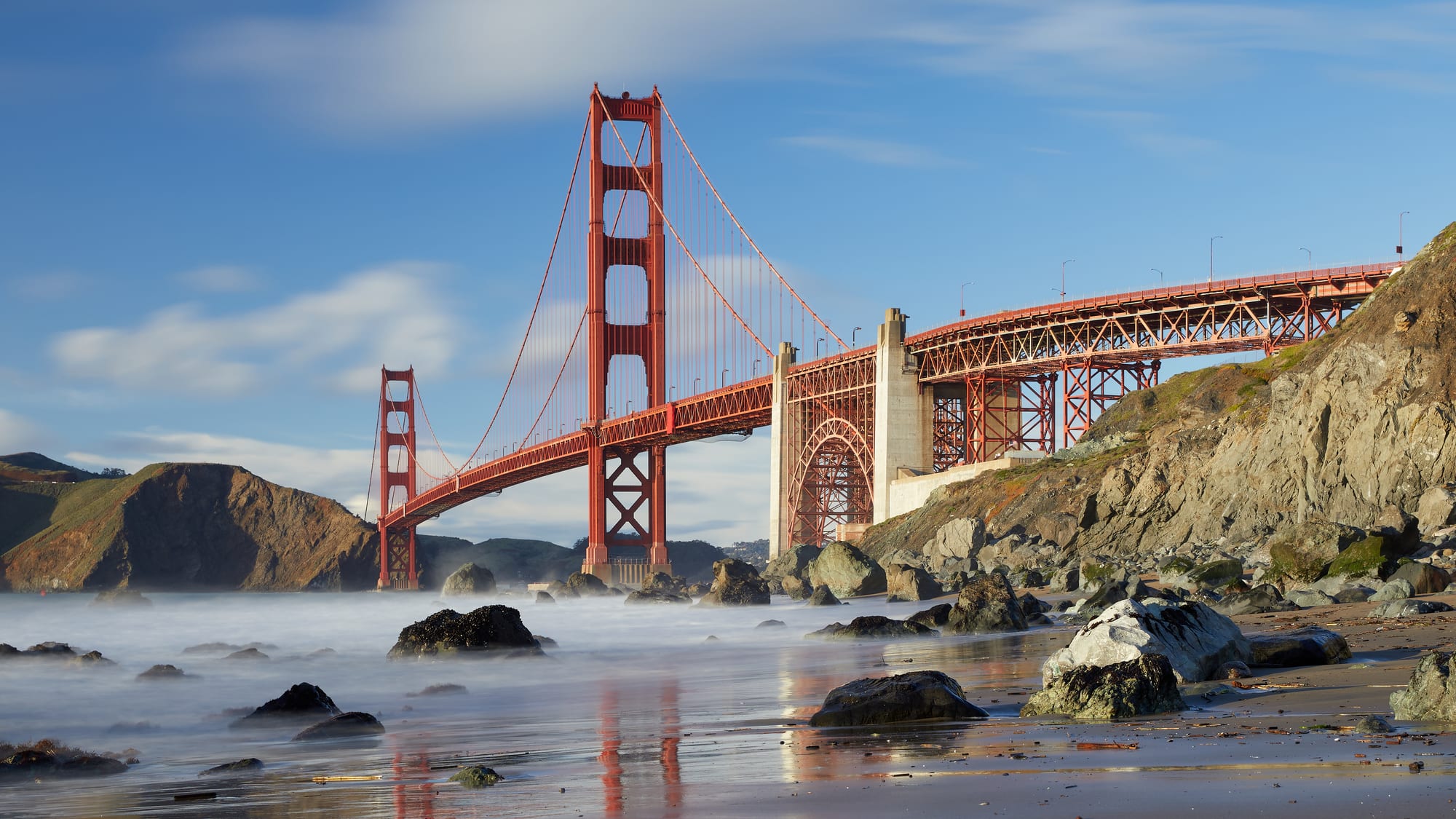
The Golden Gate Bridge, opened in 1937, was the longest suspension bridge in the world until 1964, its "International Orange" colour chosen by the architect Irving Morrow to complement the surroundings and stand out in San Francisco Bay's frequent fog. It remains one of the most photographed bridges anywhere, walkable or cyclable across its full length for those wanting a closer view.
5. Times Square, New York

Times Square, at the heart of Manhattan's theatre district, is famous for its enormous illuminated advertising billboards (large, bright signs have been required on new buildings there since 1987) and its role hosting the annual New Year's Eve ball drop, watched by a global television audience each year.
6. New Orleans' French Quarter

New Orleans's French Quarter, the city's oldest neighbourhood, is built largely from the Spanish colonial era onward after fires in 1788 and 1794, and sits at the heart of a city famed as the birthplace of jazz, alongside the city's famous Mardi Gras celebrations and distinctive Creole and Cajun food culture.
7. Niagara Falls
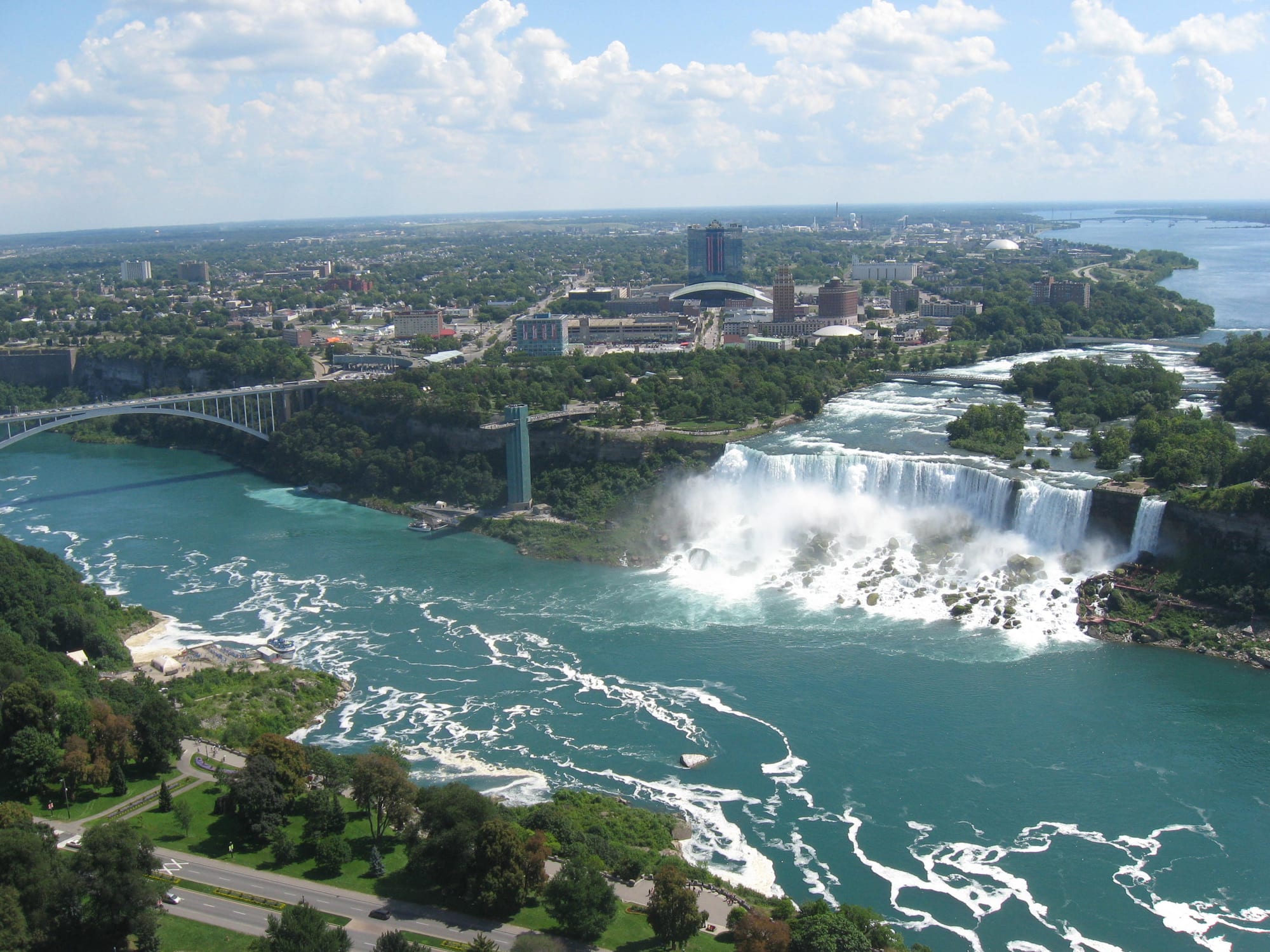
Niagara Falls, straddling the border between the US and Canada, combines enormous water volume with dramatic mist and rainbow effects, viewable from both countries (though the Canadian side is generally considered to offer the better vantage point) via boat tours that take visitors close to the base of the falls.
8. Hawaii's active volcanoes
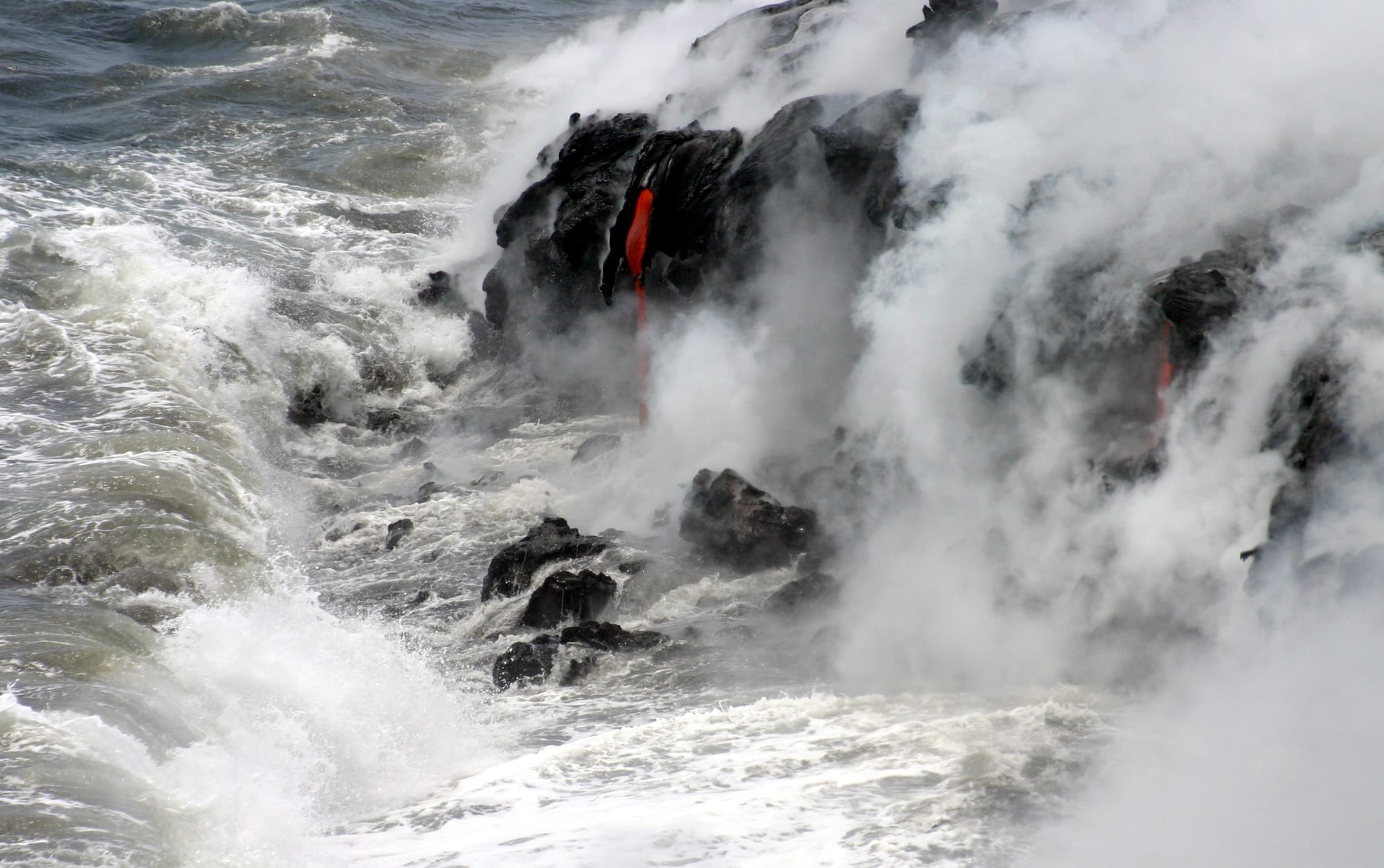
Hawaii's Big Island holds some of the most active volcanoes on earth, periodically producing lava flows that reach the ocean and physically add new land to the island — a rare, direct demonstration of the same volcanic processes that created the entire Hawaiian island chain over millions of years. Kīlauea has been erupting inside its summit crater since December 2024; its last major flows into the sea came in 2018.
9. Yosemite National Park
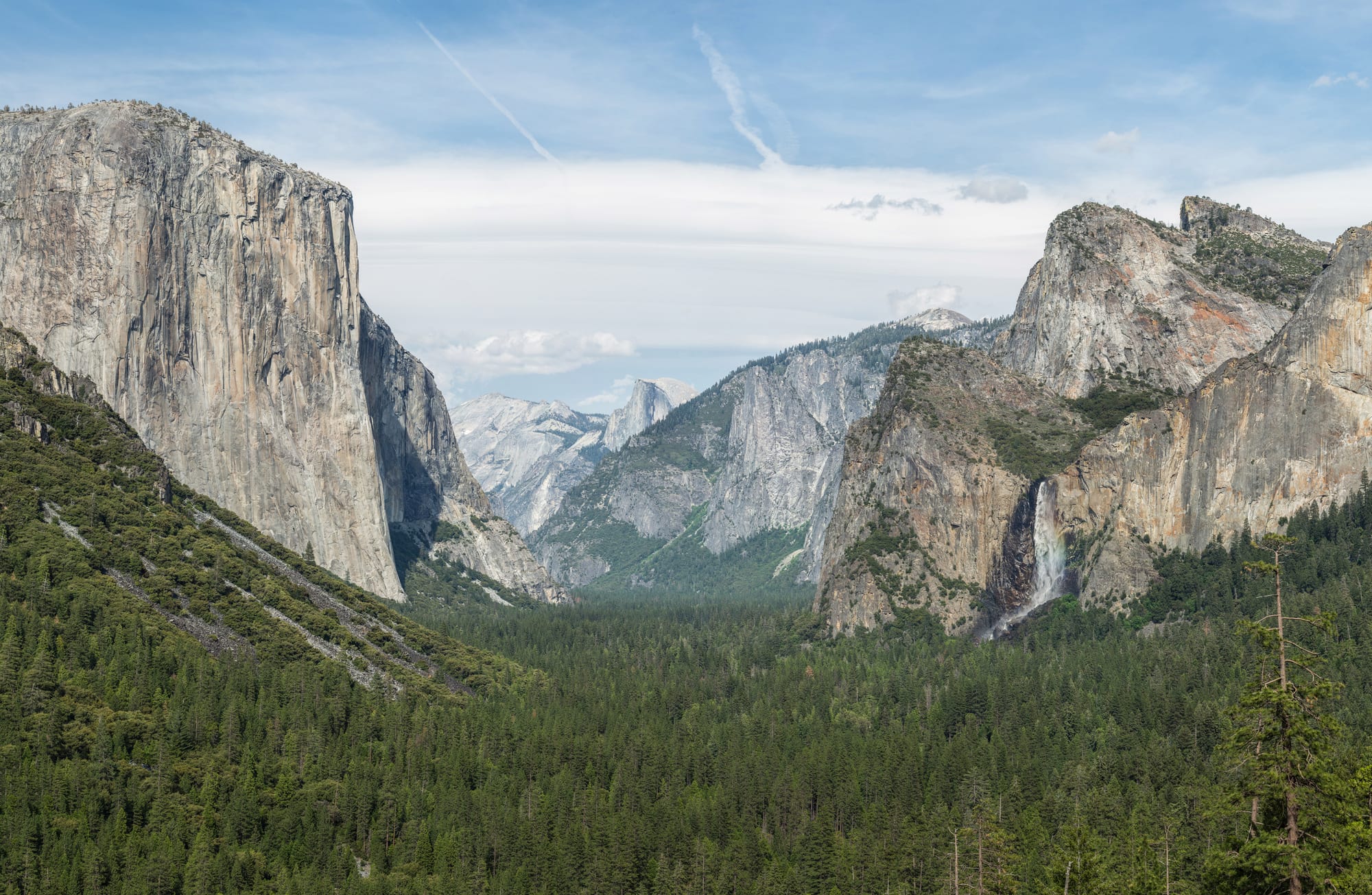
Yosemite, in California's Sierra Nevada, is defined by sheer granite walls carved by glaciers — El Capitan and Half Dome are among the most recognisable rock formations in the world, drawing rock climbers from everywhere alongside hikers and sightseers. Waterfalls at their peak in spring snowmelt, giant sequoia groves, and the glacially carved valley floor round out one of the most complete national park experiences in the country.
Yosemite Valley gets crowded in summer, when traffic and parking in the valley are actively managed.
10. Mount Rushmore
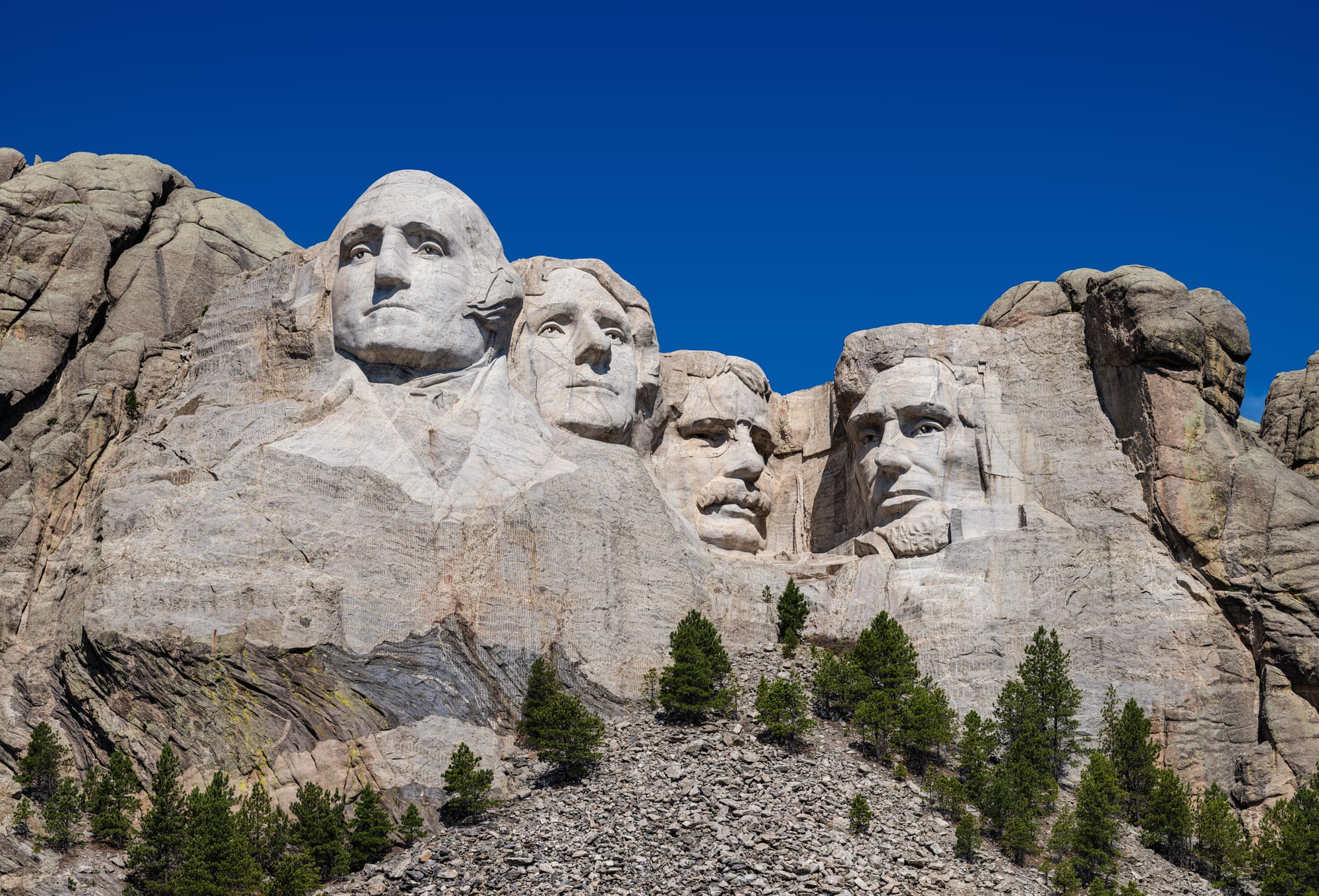
Mount Rushmore, carved into the Black Hills of South Dakota between 1927 and 1941, depicts the faces of four presidents — Washington, Jefferson, Theodore Roosevelt, and Lincoln — chosen to represent the nation's foundation, expansion, development, and preservation. Each face stands about 60 feet tall.
The memorial sits within the wider Black Hills, also home to the still-unfinished Crazy Horse Memorial, about 17 miles away.
Given its scale, the United States rewards focusing a trip on one region rather than attempting to cover the whole country — a Western national parks loop, an East Coast city trip, or a Hawaii-focused visit each stand comfortably on their own.