History
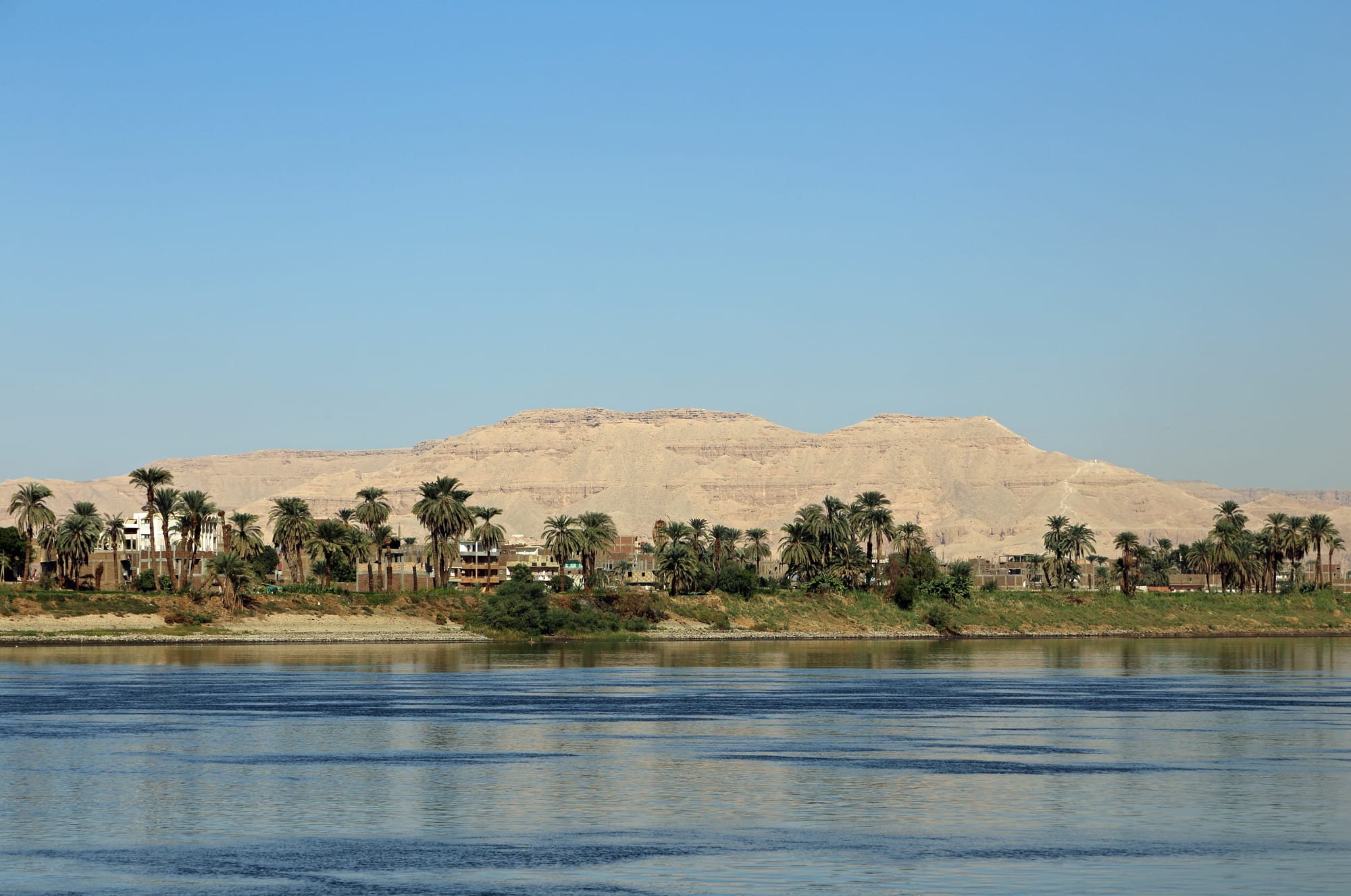
Upper Egypt was the southern kingdom that joined the Delta around 3100 BC, and Abydos, where the earliest kings were buried, became the cult centre of Osiris, the god of the dead. Thebes, today's Luxor, rose when its rulers reunited the country in the Middle Kingdom, and in the New Kingdom, from about 1550 BC, it was the religious capital of an empire. Its kings, from Hatshepsut and Thutmose III to Amenhotep III and Ramesses II, enlarged the temples of Amun at Karnak and Luxor and cut their tombs into the Valley of the Kings. Akhenaten broke with Thebes to build a new capital at Amarna in Minya, abandoned soon after his death.
The Ptolemies and Romans built the great temples that survive at Dendera, Esna, Edfu, Kom Ombo and Philae, where the last known hieroglyphic inscription was carved in AD 394. The valley then became a cradle of Christian monasticism: Pachomius founded communal monasteries near Qena, and the White Monastery near Sohag was led by the abbot Shenoute. Aswan was always the frontier town facing Nubia, trading in granite, gold and ivory.
In modern times the region was shaped by water. The Aswan Low Dam of 1902 and then the High Dam, completed in 1970, ended the annual flood and created Lake Nasser, flooding Nubian villages and forcing their people to move. A UNESCO campaign rescued Abu Simbel, Philae and other temples by moving them to higher ground. Howard Carter's discovery of Tutankhamun's tomb in 1922 made Luxor a tourist destination, and in 1997 militants killed 62 people, most of them foreign tourists, at Hatshepsut's temple.