History
The plains were settled long before the Thais. From about the 6th to the 11th century the Mon-speaking Dvaravati culture flourished here, with centres at Nakhon Pathom, U Thong in Suphan Buri and Lopburi, and it left Buddhist stupas, dharma wheels and some of the earliest Buddhist art in the country. By the 11th century the Khmer empire had drawn Lopburi, then called Lavo, into its orbit, and its laterite towers still stand in the town.
In 1351 King U Thong founded Ayutthaya on an island where the Chao Phraya, Lopburi and Pa Sak rivers meet. For four centuries it ruled Siam and traded with China, Japan, Persia and Europe, and the foreign quarters of the Portuguese, Dutch and Japanese lay just outside its walls. In the 17th century King Narai made Lopburi a second capital and received embassies from Louis XIV. The Burmese wars were fought across these fields: tradition places King Naresuan's elephant duel of 1593 in Suphan Buri, and the villagers of Bang Rachan in Sing Buri are remembered for holding off Burmese forces before Ayutthaya fell in 1767.
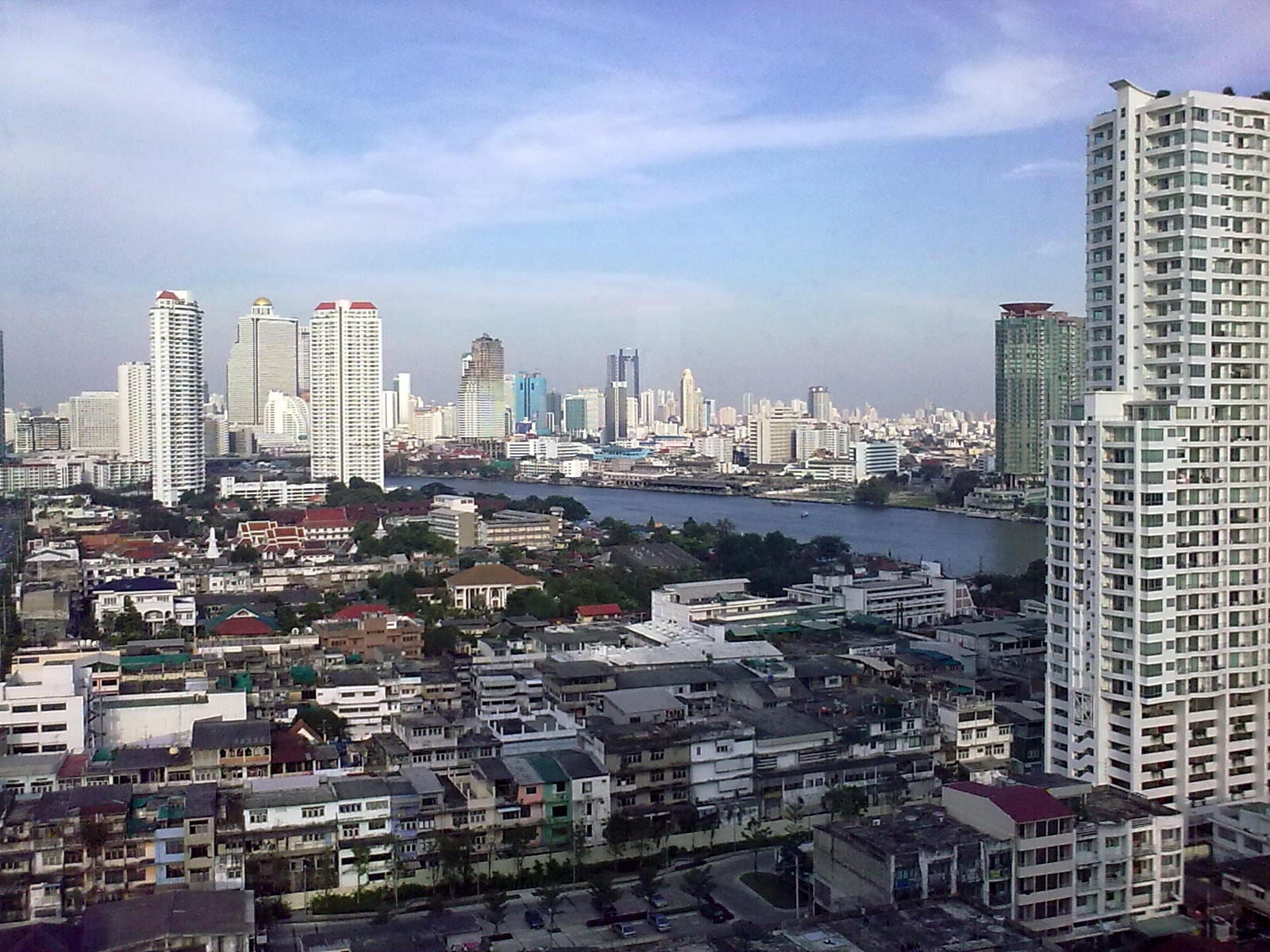
Taksin regrouped at Thonburi on the west bank, and in 1782 Rama I moved the capital across the river to Bangkok, building the Grand Palace on Rattanakosin Island. Canals dug in the 19th century opened the plains to commercial rice growing for export. The 20th century made Bangkok one of Asia's great cities, while the great flood of 2011 swamped Ayutthaya's temples and industrial estates and reached northern Bangkok.