History
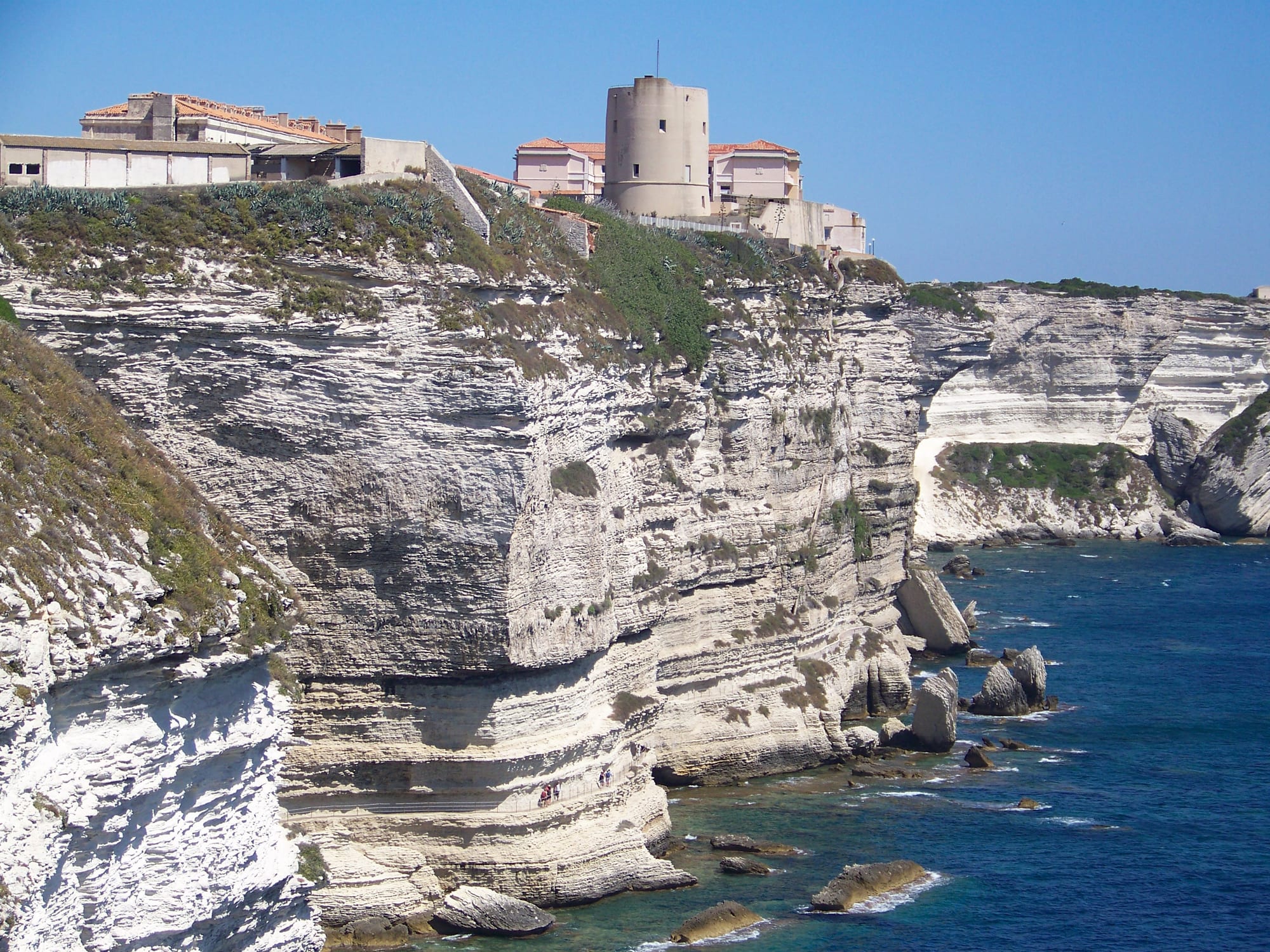
Corsica was settled in prehistory, and at Filitosa, in the south, standing stones carved with faces and weapons date from the Bronze Age. Greeks from Phocaea founded Alalia, now Aléria, on the east coast around 565 BC, and the island later came under Rome. In the Middle Ages Pisa ruled it and built Romanesque churches, before Genoa took over at the end of the 13th century and held it for almost five hundred years, fortifying Bastia, Calvi, Bonifacio and Ajaccio and ringing the coast with watchtowers against pirates.
Resistance to Genoa grew in the 18th century. In 1755 Pasquale Paoli established an independent Corsican state with a constitution, a capital at Corte and a university. Genoa ceded the island to France in 1768, and Paoli's forces were defeated at Ponte Novu in 1769 — the year Napoleon Bonaparte was born in Ajaccio. The British briefly ruled an Anglo-Corsican kingdom from 1794 to 1796.
In the 19th and 20th centuries many Corsicans emigrated or served in the French army and colonial administration. Corsica was the first part of metropolitan France liberated in 1943. After 1975, a nationalist movement emerged and the FLNC carried out bombings for decades; in 1998 the prefect Claude Érignac was assassinated in Ajaccio. Nationalist parties have run the regional government since 2015, and talks with Paris on autonomy have continued in recent years.