History
The Loire was a highway and a frontier long before it was a royal retreat. The Carnutes massacred the Roman traders of Cenabum in Caesar's time, today's Orléans, and Saint Martin, bishop of Tours from 371, made his city a great pilgrim shrine of early medieval Europe. In the 12th century the counts of Anjou became the Plantagenet kings of England: Henry II, born at Le Mans in 1133, ruled lands from the Scottish border to the Pyrenees and lies with Eleanor of Aquitaine and Richard the Lionheart at Fontevraud. Philip Augustus took their Loire provinces in 1204–05.
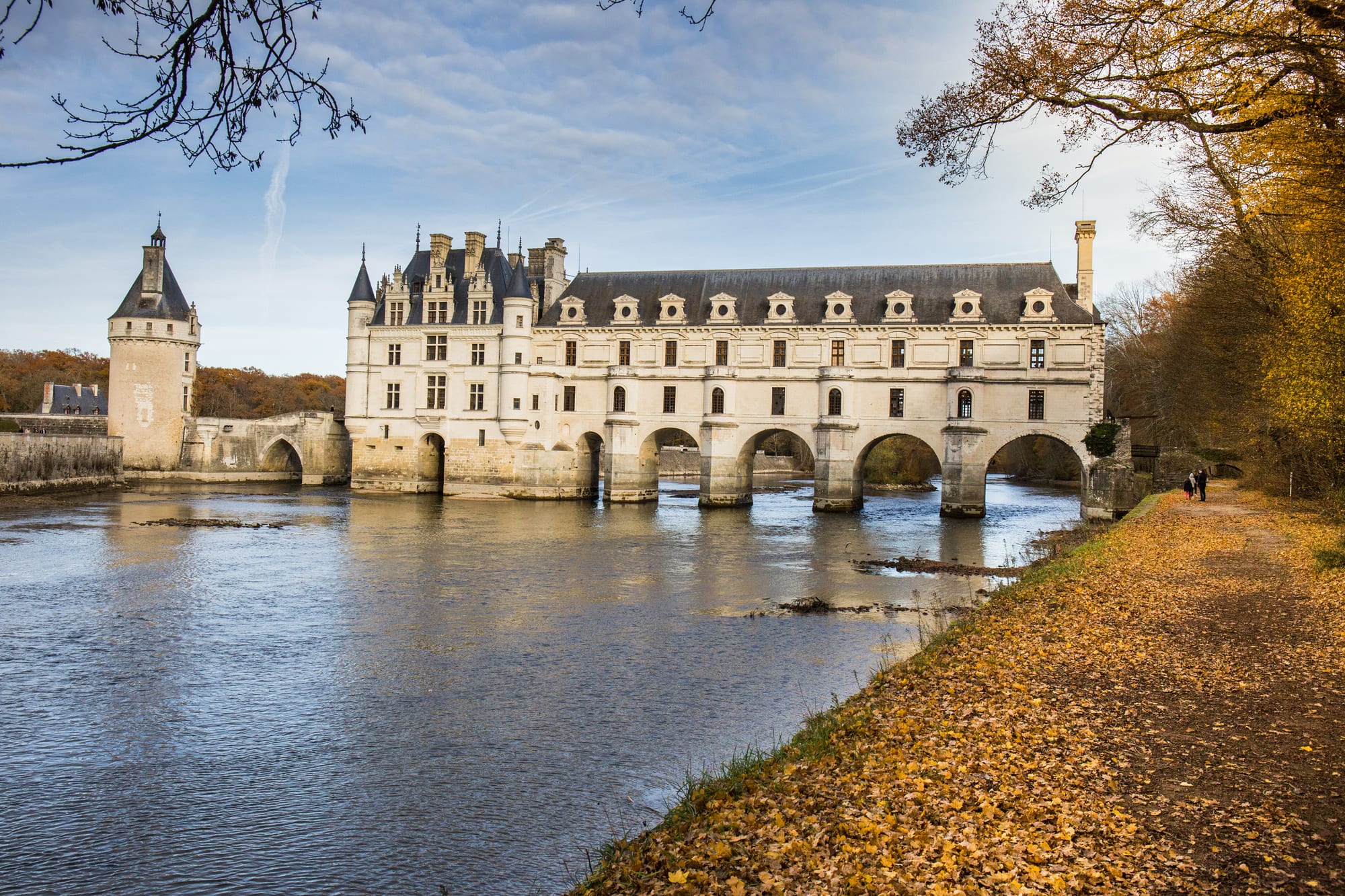
With Paris in English and Burgundian hands, the dauphin Charles ruled from Bourges and Chinon, where Joan of Arc found him in 1429 before raising the siege of Orléans on 8 May. The court stayed for a century and a half: Charles VIII rebuilt Amboise and Louis XII Blois, and François I brought Leonardo da Vinci to Amboise in 1516 and began Chambord in 1519, the year the painter died. The Wars of Religion ended the idyll — the Duke of Guise was murdered at Blois in 1588 — and Henri IV, who signed the Edict of Nantes in 1598, took the court back to Paris.
Nantes grew rich in the 18th century as France's principal slave-trading port, fitting out more than 1,700 voyages. In 1793 the Catholic peasants of the Vendée and Anjou rose against the Revolution; the war and its repression, including mass drownings in the Loire at Nantes, killed well over 100,000 people. The 20th century added the Le Mans 24 Hours, first run in 1923, and the liner yards of Saint-Nazaire.