History
The Arverni, the Gaulish tribe who gave Auvergne its name, were led by Vercingetorix, who defeated Julius Caesar at Gergovia, near today's Clermont-Ferrand, in 52 BC. Rome founded Lugdunum, now Lyon, in 43 BC, and it became the capital of the Three Gauls; the emperor Claudius was born there, and Christians including Blandina were martyred in its amphitheatre in 177. In 1095 Pope Urban II preached the First Crusade at Clermont.
The Dauphiné was sold to France in 1349, and from then on the heir to the throne bore the title of Dauphin. Lyon grew wealthy on trade fairs, banking, printing and, from the 16th century, silk. Its silk workers, the canuts, rose in revolt in 1831 and 1834. Savoy, ruled by the House of Savoy, which went on to become the royal family of Italy, was ceded to France in 1860 after a plebiscite. In 1788 the Day of the Tiles in Grenoble was an early sign of the coming Revolution.
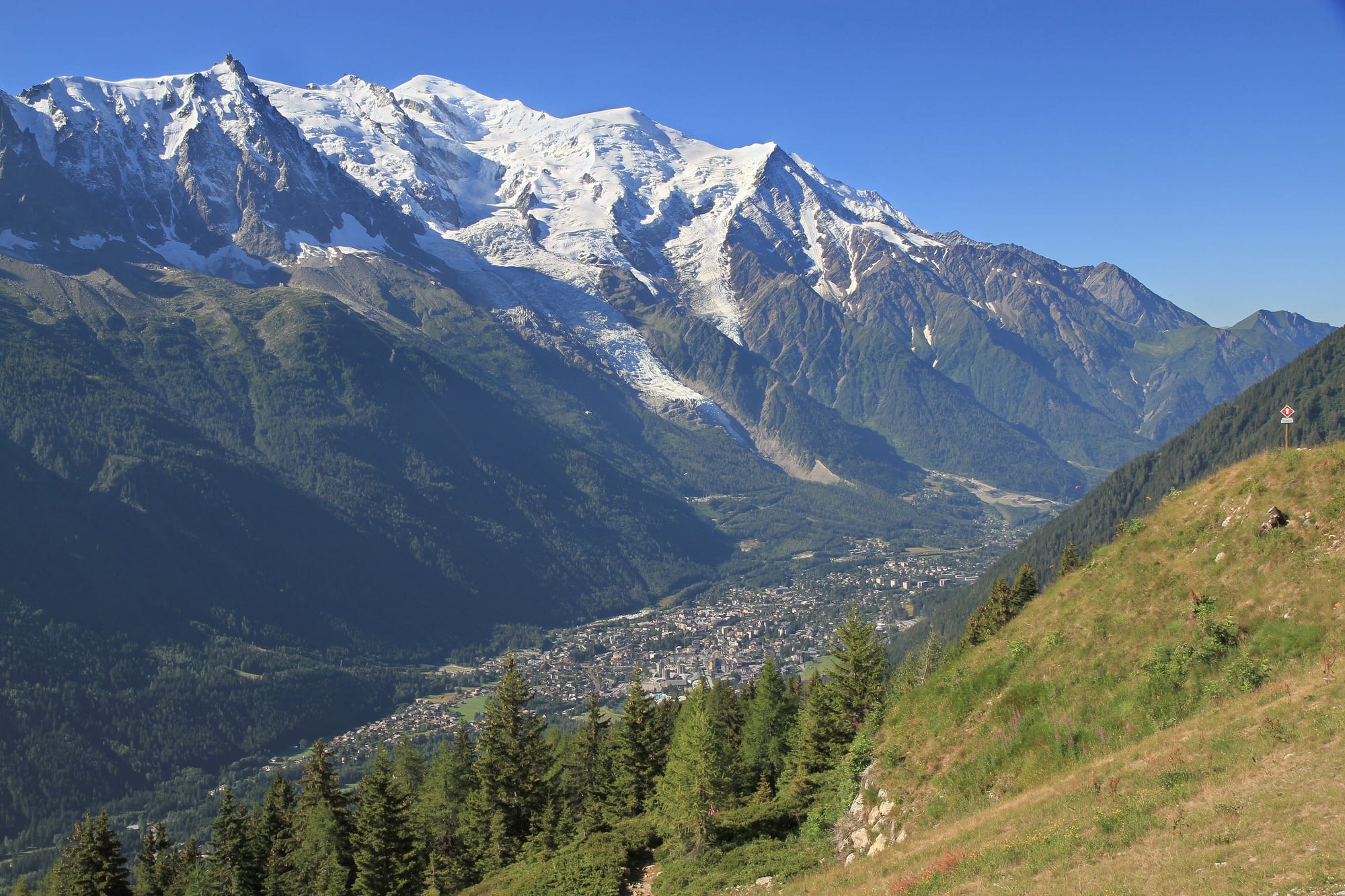
Industry developed in the 19th century: Michelin tyres in Clermont-Ferrand, coal and arms in Saint-Étienne, and the Lumière brothers' cinematograph in Lyon, which showed its first film in 1895. Mont Blanc was first climbed in 1786, and Chamonix hosted the first Winter Olympics in 1924. During the Second World War, the Vichy regime ruled from Vichy, while Lyon and the Vercors were centres of the Resistance. The region was formed in 2016, with Lyon as capital.