History
The region has some of Europe's oldest human remains, found in a cave at Tautavel in the Roussillon, and the painted caves of Niaux in the Ariège. Rome founded Narbonne in 118 BC as its first colony in Gaul outside Italy and ran the Via Domitia along the coast to Spain; Nîmes, with its arena, temple and aqueduct, was one of the richest cities of Roman Gaul. After Rome, Toulouse became the capital of the Visigothic kingdom in the 5th century.
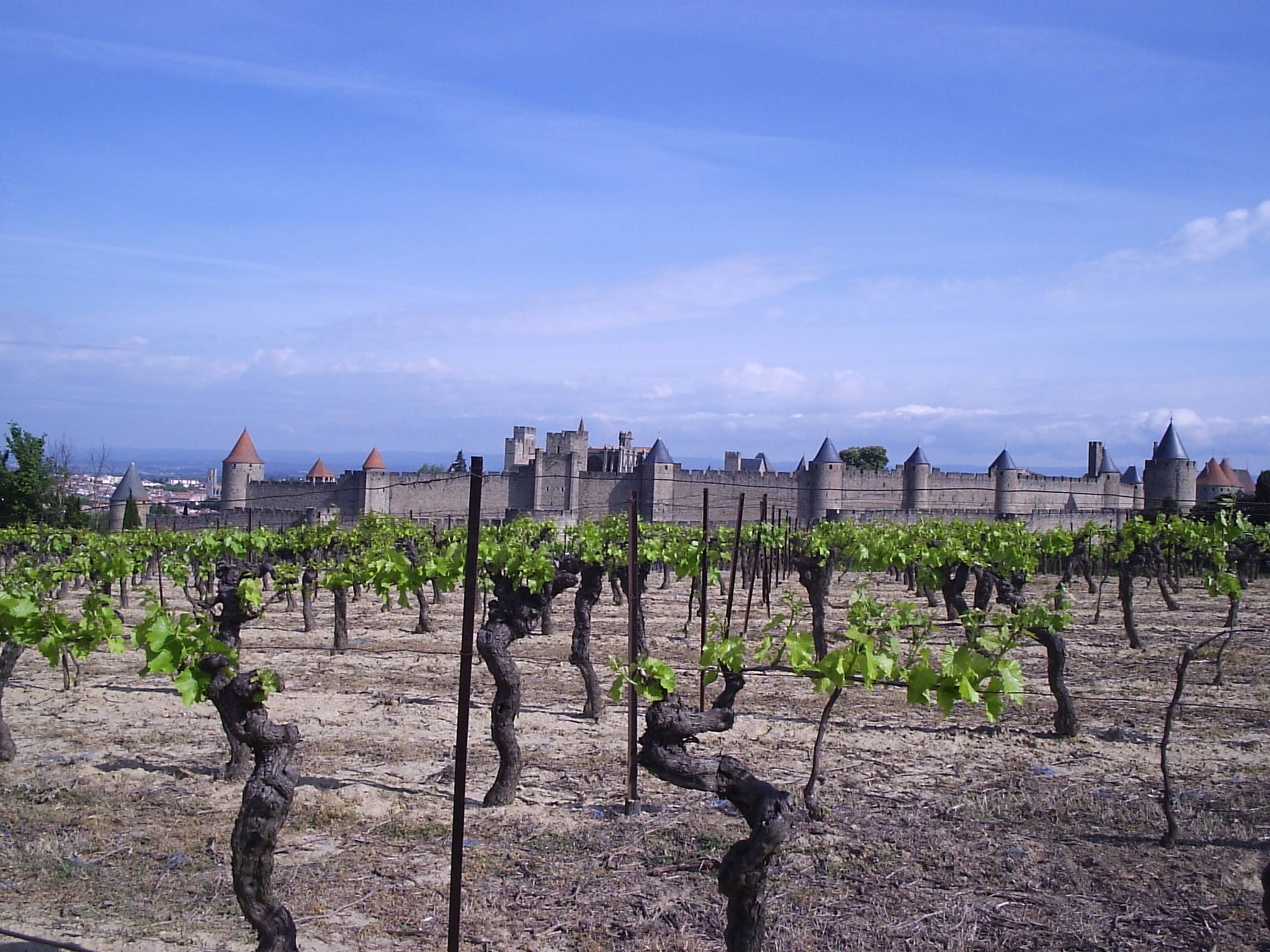
In the Middle Ages the Counts of Toulouse ruled a rich, largely independent land where troubadours composed in the Occitan language. The Cathar religious movement spread here, and in 1209 the Pope proclaimed the Albigensian Crusade: Béziers was sacked, Carcassonne taken, and the Cathar stronghold of Montségur fell in 1244. The region then came under the French crown. The Canal du Midi, built by Pierre-Paul Riquet and completed in 1681, linked the Atlantic and Mediterranean. Roussillon, long Catalan, became French in 1659, and the Protestant Camisards of the Cévennes rebelled against Louis XIV in 1702.
In 1858 the visions of Bernadette Soubirous turned Lourdes into a major pilgrimage centre, and in 1907 Languedoc's wine growers revolted over falling prices. In the 20th century Toulouse became the centre of French aviation and then of Airbus and the space industry. The region was formed in 2016 with Toulouse as capital.