History
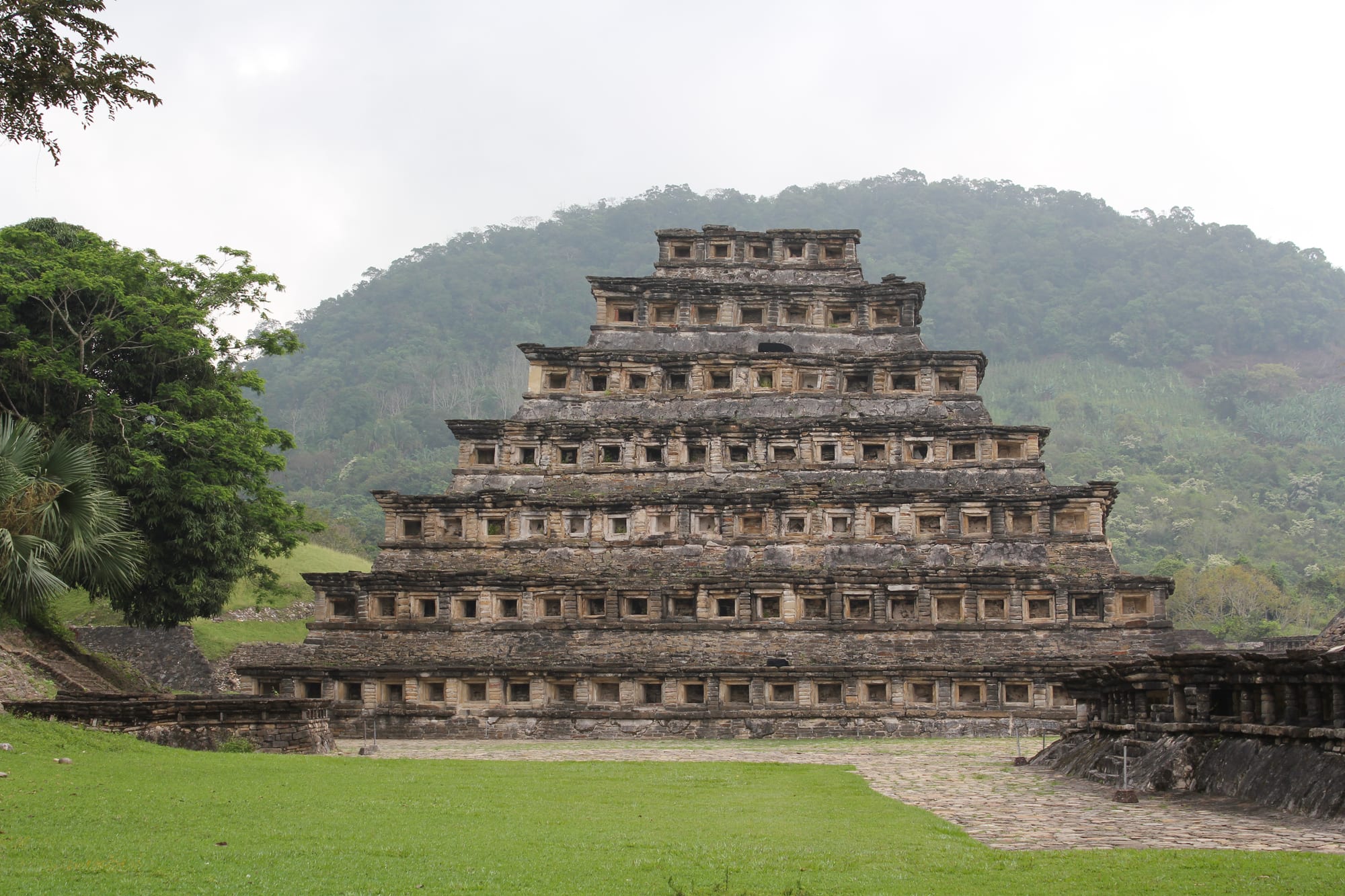
The Gulf lowlands were the heartland of the Olmecs, often called Mesoamerica's mother culture. From about 1400 BC they built ceremonial centres at San Lorenzo in southern Veracruz and later La Venta in Tabasco, and carved the colossal basalt heads of their rulers, hauling the stone from the Tuxtla mountains. Later, the Classic Veracruz culture built El Tajín in the north, which flourished from around AD 600 to 1200, and the Maya built Comalcalco in Tabasco from fired brick for want of stone. By the time the Spanish came, the Totonacs held central Veracruz under Aztec tribute.
Hernán Cortés fought the Chontal Maya at Centla in Tabasco in 1519, where he was given the Indigenous woman later known as La Malinche, who became his interpreter. He then landed on the Veracruz coast, founded the Villa Rica de la Vera Cruz, won the Totonacs of Cempoala as allies and marched inland. The port of Veracruz became New Spain's gateway to Europe — the only legal port on the Gulf for much of the colonial era, fortified by San Juan de Ulúa, raided by pirates and ravaged by yellow fever. Enslaved Africans were brought in through it, and in the early 17th century the escaped slave leader Yanga won recognition for a free town that still bears his name.
The port was the stage for foreign invasions: the Spanish held Ulúa until 1825, the French bombarded it in 1838, US troops landed in 1847 and occupied it again in 1914. In the 20th century oil transformed both states, from the fields of northern Veracruz to Tabasco's offshore finds of the 1970s. Tabasco is the home state of former president Andrés Manuel López Obrador, whose government built the Olmeca oil refinery at Dos Bocas.