History
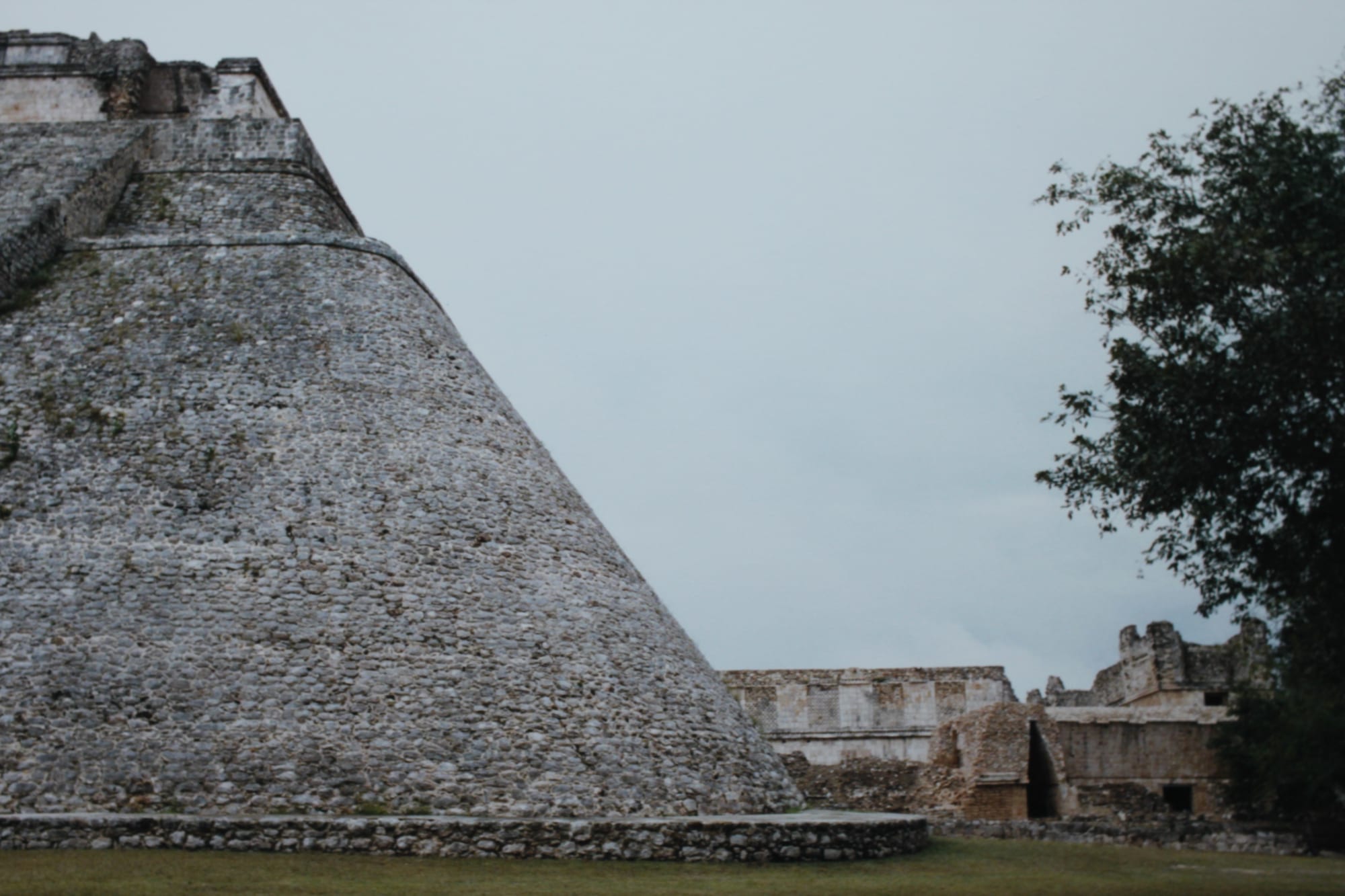
The peninsula sits on limestone, and around 66 million years ago an asteroid struck its northern coast, leaving the buried Chicxulub crater, whose rim is traced by a ring of cenotes. For the Maya, these sinkholes were the main source of water and gateways to the underworld. In the south, Calakmul in Campeche headed the Snake kingdom that fought Tikal for dominance in the Classic period; in the north, Uxmal and the Puuc cities flourished, and Chichén Itzá became the dominant power from around the 10th century. After its decline, Mayapán ruled until the mid-15th century, and the north broke into rival lordships, with walled coastal towns such as Tulum trading along the Caribbean.
The Spanish needed two decades to conquer the peninsula. Francisco de Montejo and his son founded Campeche in 1540 and Mérida in 1542 on the ruins of the Maya city of T'hó, and in 1562 the friar Diego de Landa burned Maya books and images at Maní. Campeche, the region's port, was raided repeatedly by pirates until its walls were built in the late 17th and 18th centuries. Remote from Mexico City, Yucatán broke away from Mexico in the 1840s, and in 1847 Maya rebels rose in the Caste War, which drove the whites back to Mérida and Campeche and left an independent Maya state around Chan Santa Cruz until the Mexican army took it in 1901.
In the late 19th century henequen, a fibre for rope and twine, made Mérida's planters among the richest people in Mexico, worked by indebted Maya labourers. Quintana Roo, a thinly populated territory, became a state in 1974, just as the government was building Cancún as a planned resort. Tourism has since transformed the coast, and the Tren Maya railway, opened from 2023, has been welcomed by some as development and criticised by others over its effects on forest, caves and cenotes.