History
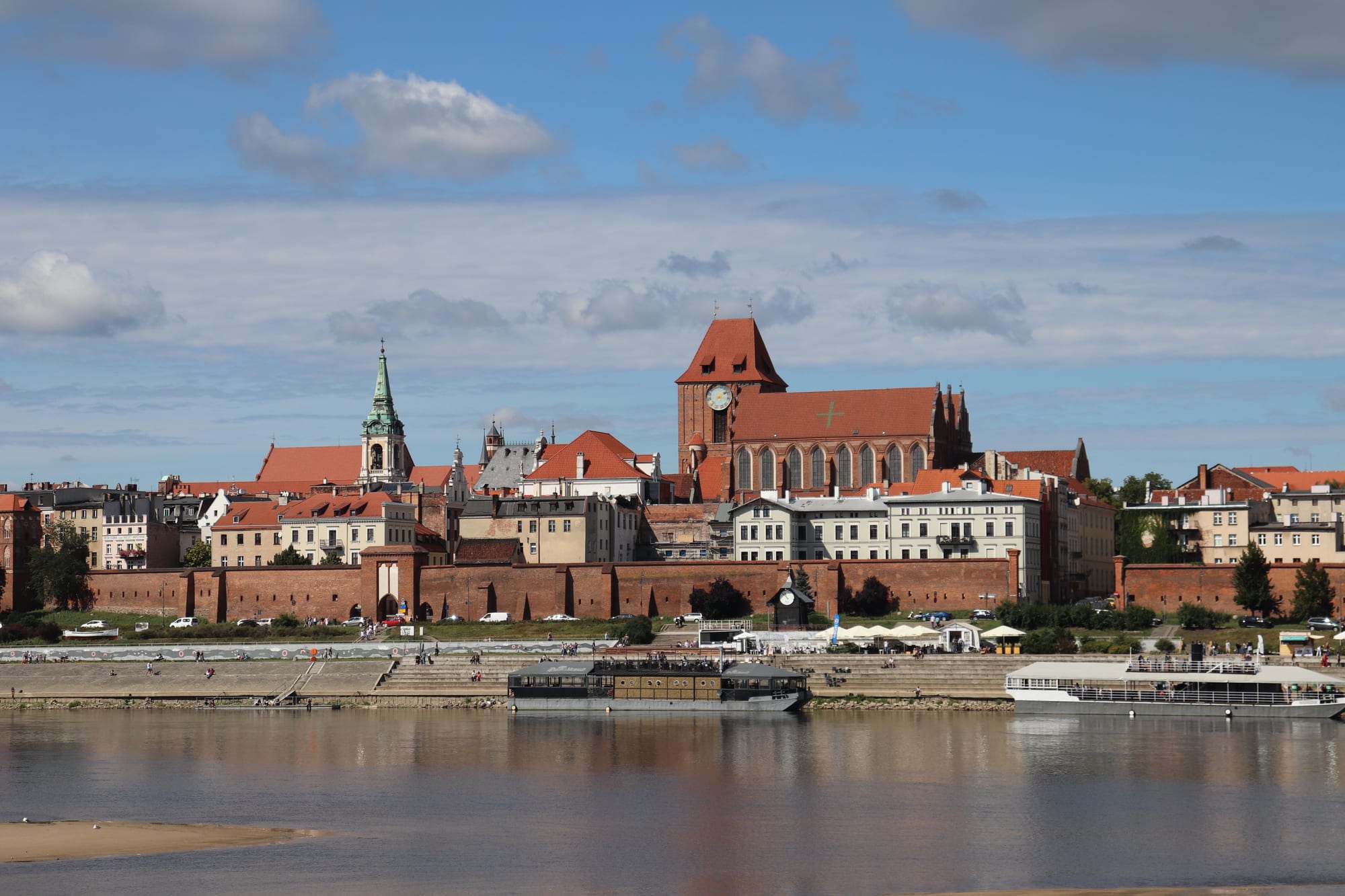
The coast was settled by West Slavic Pomeranians, and Gdańsk appears as a Polish stronghold in 997. In 1308 the Teutonic Knights seized Gdańsk, and from 1309 their Grand Master ruled from Malbork, the brick fortress on the Nogat. The Order had founded Toruń in 1233, and its towns grew rich in the Hanseatic League. When the Prussian towns rebelled, the Thirteen Years' War ended in 1466 with the Peace of Toruń, which put Gdańsk, Toruń and Malbork under the Polish crown as Royal Prussia. Gdańsk became the Commonwealth's great grain port, with a German-speaking burgher elite and a golden age in the 16th and 17th centuries.
The Partitions gave the region to Prussia. After 1918, Poland regained a strip of coast and built Gdynia as its own port, while Gdańsk became the Free City of Danzig under the League of Nations. The Second World War began here on 1 September 1939 with the German attack on the Westerplatte depot. West Pomerania and Szczecin, long ruled by Pomeranian dukes, then Sweden and from 1720 Prussia, remained German until 1945, when they passed to Poland and their German population was expelled.
Protest defined the post-war coast. Workers were shot in Gdańsk, Gdynia and Szczecin in December 1970, and in August 1980 the strike at Gdańsk's Lenin Shipyard, led by Lech Wałęsa, gave birth to Solidarity.