History
The Far East was home to many peoples long before Russians came: Buryats and Evenks around Baikal, Sakha horse and cattle herders on the Lena, the Nivkh and Ainu on Sakhalin, the Itelmen and Koryaks on Kamchatka, and Chukchi and Yupik hunters on the Bering Strait. Cossacks reached the Pacific on the Sea of Okhotsk in 1639, and Yakutsk, founded in 1632, became the base for collecting fur tribute across the north-east. Qing China pushed Russia back from the Amur, and the Treaty of Nerchinsk in 1689 kept it out for 170 years.
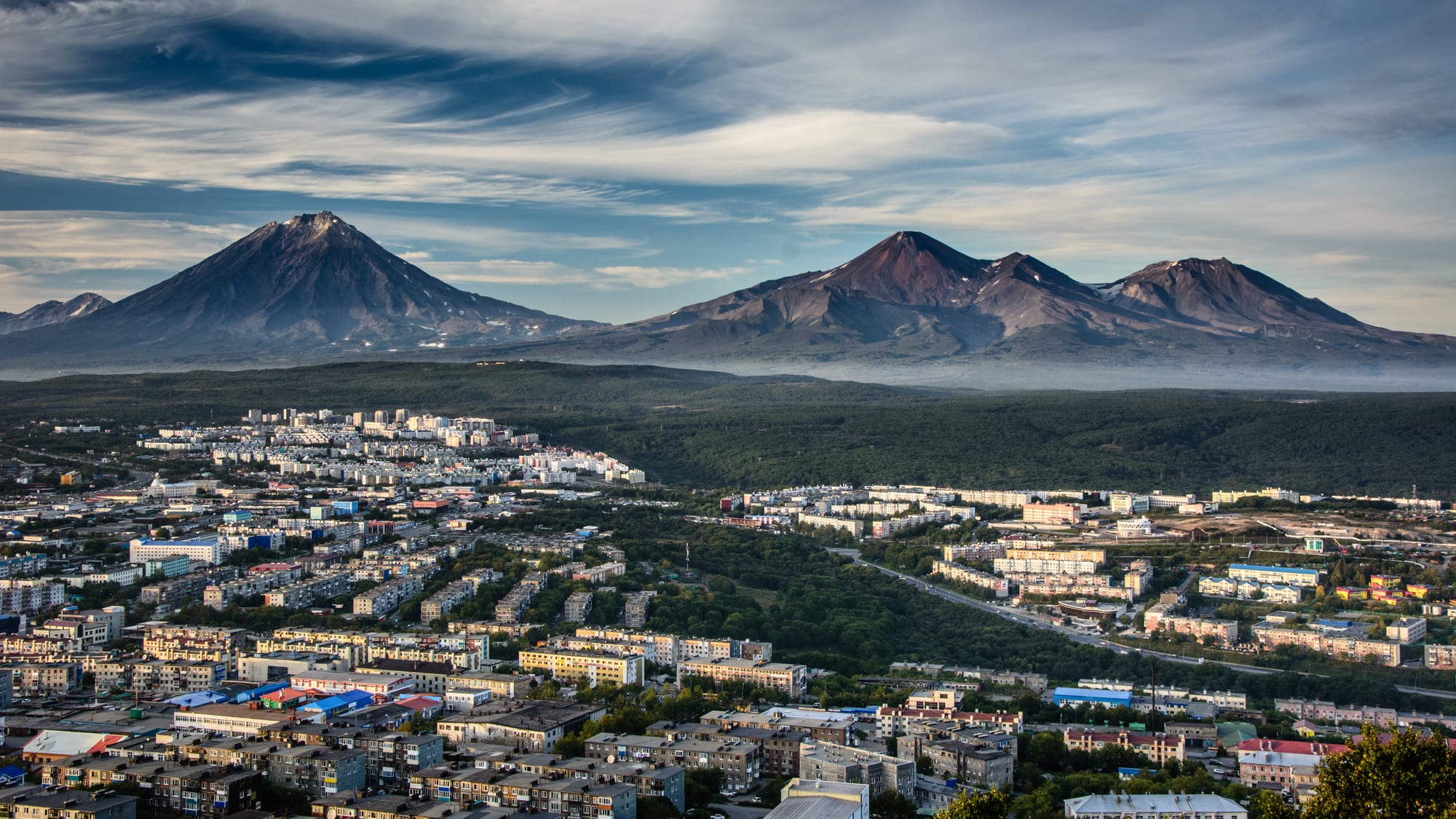
Vitus Bering's expeditions founded Petropavlovsk-Kamchatsky in 1740 and launched the push to Alaska. In 1858–60 Russia took the Amur and the Pacific coast from a weakened China, founding Khabarovsk and Vladivostok, whose name means "ruler of the East". Sakhalin became a penal colony, described by Chekhov after his visit in 1890, and Japan held its southern half from 1905 until the Soviet invasion of 1945, when the Kuril Islands were also taken — a dispute with Japan that is still unresolved.
After the revolution, a nominally independent Far Eastern Republic with its capital first at Verkhneudinsk (now Ulan-Ude) and then at Chita existed until 1922. The Soviet state created the Jewish Autonomous Oblast around Birobidzhan in 1934, and deported Koreans from Primorye to Central Asia in 1937. The Kolyma camps around Magadan became the most feared part of the Gulag, their gold mines worked by prisoners who built the Kolyma road. Later decades brought closed naval cities, the Baikal–Amur Mainline and, after 1991, a steep fall in population as subsidies ended and people moved west.