History
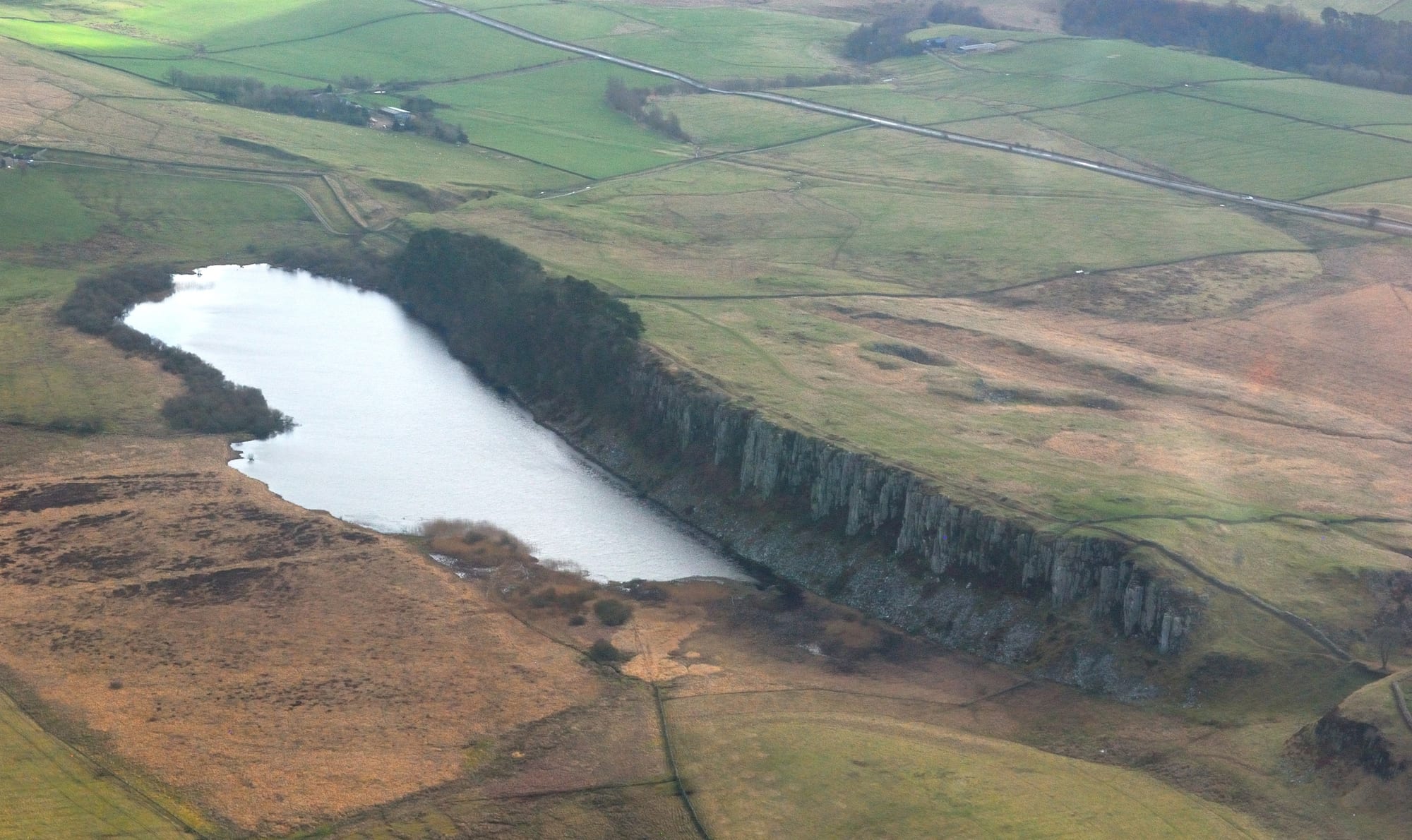
Before Rome the region was home to the Brigantes and, further north, the Votadini, and from AD 122 Hadrian's Wall ran across it from the Tyne at Wallsend towards the Solway, garrisoned by Roman troops. After the legions left, Anglian settlers founded the kingdoms that became Northumbria, whose kings held court at Bamburgh. In the 630s King Oswald invited the Irish monk Aidan from Iona to found a monastery on Lindisfarne, and the next century was a golden age: the Lindisfarne Gospels, the cult of St Cuthbert, and Bede writing his history of the English church at Jarrow. The Viking raid on Lindisfarne in 793 is usually taken as the start of the Viking age in Britain.
After 1066 the Normans built castles at Newcastle and Durham, and the bishops of Durham ruled a semi-independent county palatine as prince-bishops until the 19th century. Northumberland remained a war zone against Scotland for centuries, with the Battle of Flodden fought in 1513 and the border reiver families raiding across the hills.
Coal made the modern region. It was shipped from the Tyne for centuries, and in 1825 the Stockton and Darlington Railway became the first public railway to use steam locomotives. George Stephenson came from Wylam, William Armstrong built guns and ships on the Tyne, and the Wear and the Tees filled with shipyards and steelworks. Their decline in the 20th century brought the Jarrow March of 1936, the pit closures of the 1980s and a long search for new work that continues today.