History
The Romans landed in Kent in AD 43 and founded Londinium at a bridging point on the Thames; Boudica's rebels burned it around AD 60, but it grew into the capital of Roman Britain behind a wall whose fragments still stand. After Rome, Kent became an Anglo-Saxon kingdom, and in 597 Augustine arrived from Rome and set up his church at Canterbury, which has been the seat of England's senior archbishop ever since. Winchester was rebuilt by Alfred the Great in the late 9th century.
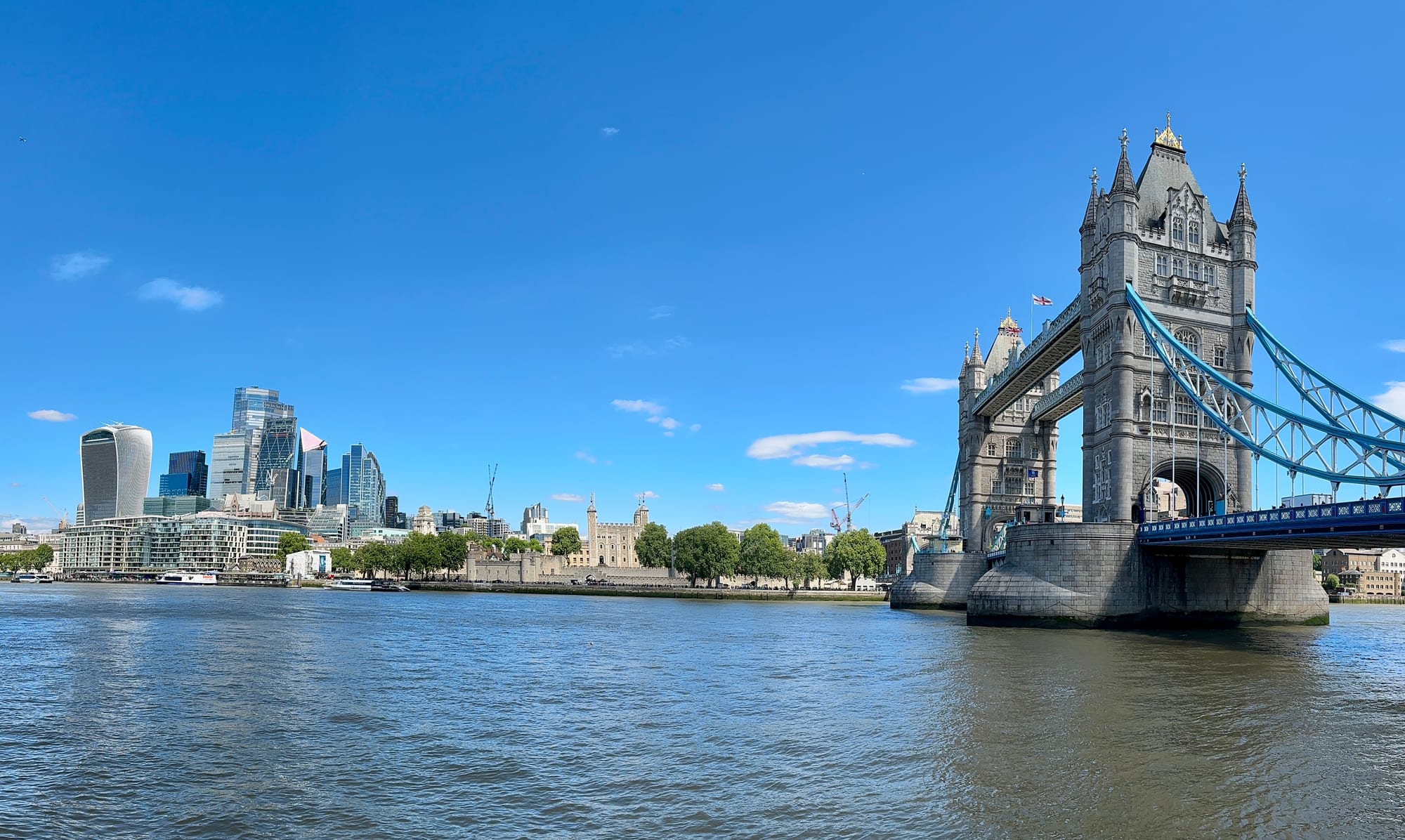
In 1066 William of Normandy landed at Pevensey, defeated Harold near Hastings and built the White Tower in London and a castle at Windsor. Thomas Becket's murder in Canterbury Cathedral in 1170 made the city a pilgrimage centre, immortalised in Chaucer's tales, and in 1215 King John sealed Magna Carta at Runnymede. Oxford's university was teaching by the late 11th century and grew into England's intellectual capital.
London survived plague and the Great Fire of 1666, after which Christopher Wren rebuilt St Paul's, and became the centre of a global empire and the largest city in the world in the 19th century. The South East's coast was England's front line: Portsmouth and Chatham built the navy, George IV made Brighton fashionable, and in 1940 the Battle of Britain was fought over south-east England while the Blitz struck London. Since the war the capital has been remade by immigration, the rise of the City as a financial centre and the 2012 Olympics.