History
The Picenes, an Iron Age people known for their warrior tombs, held the south and centre, and the Gallic Senones settled in the north around Sena Gallica, today's Senigallia. Greeks from Syracuse founded Ancona in the 4th century BC, naming it after the "elbow" of land around its harbour. Rome absorbed the area in the 3rd century BC and pushed the Via Flaminia through the Furlo gorge to Fano; Trajan rebuilt Ancona's harbour and left the arch that still stands there.
After the empire, the coastal cities of Rimini, Pesaro, Fano, Senigallia and Ancona formed the Byzantine Pentapolis, and under the Franks and the Holy Roman Empire the area was organised into frontier marks, the "marches" that gave the region its name. Emperor Frederick II was born in Jesi in 1194. Ancona was a maritime republic trading with the East, while the popes claimed the whole territory and fought local lords such as the Malatesta, the Varano of Camerino and the Montefeltro of Urbino.
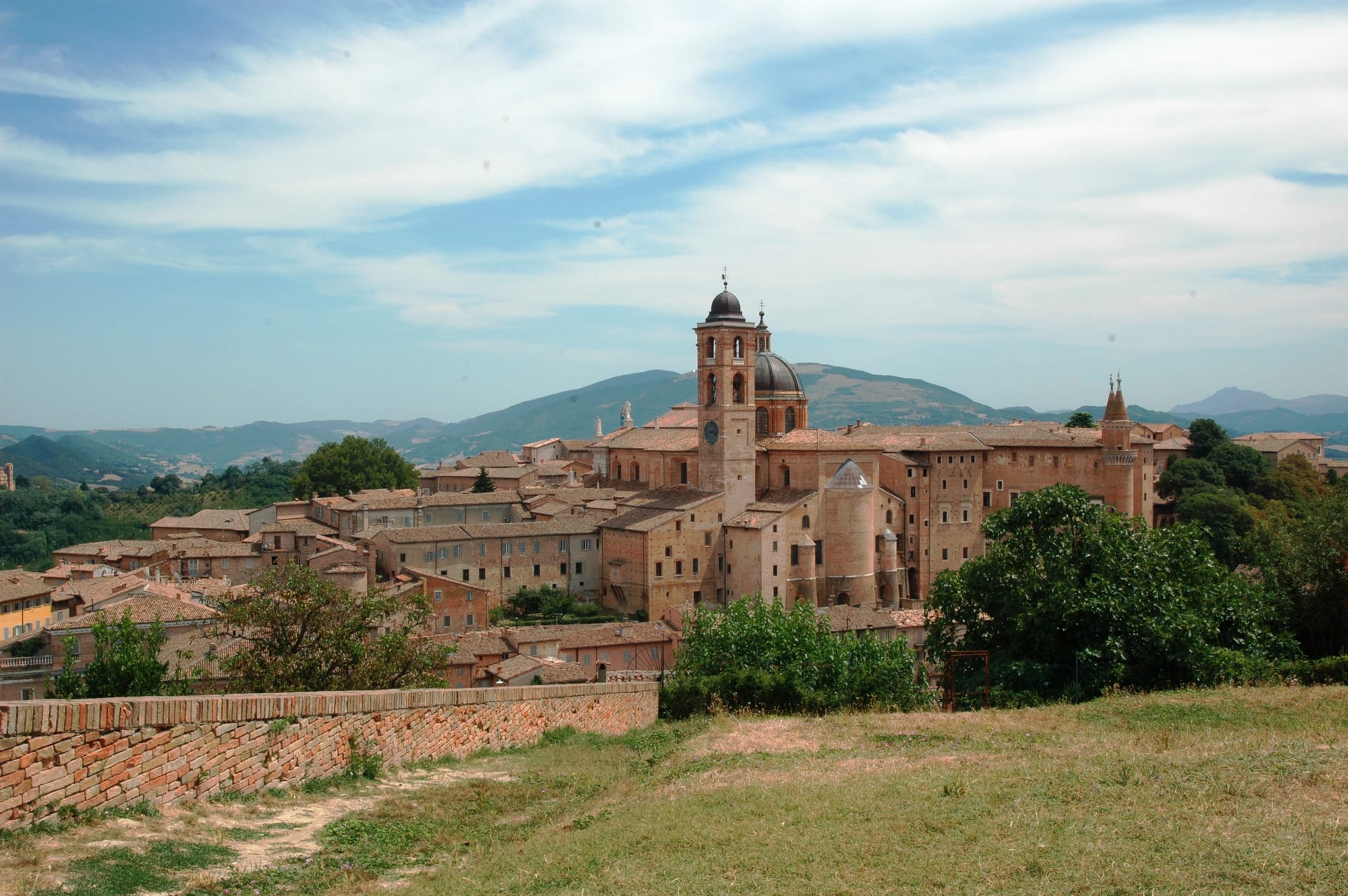
Under Federico da Montefeltro, a condottiero turned patron, Urbino became one of the Renaissance's most refined courts; Raphael was born there in 1483, and Bramante nearby. The duchy passed to the Della Rovere and in 1631 to the Papal States, which held the Marche until 1860, when the Piedmontese army won the battle of Castelfidardo and the region joined Italy. In the 20th century it grew from a region of sharecroppers into one of small factories, and the earthquakes of 1997 and 2016 hit the Apennine towns hard.