History
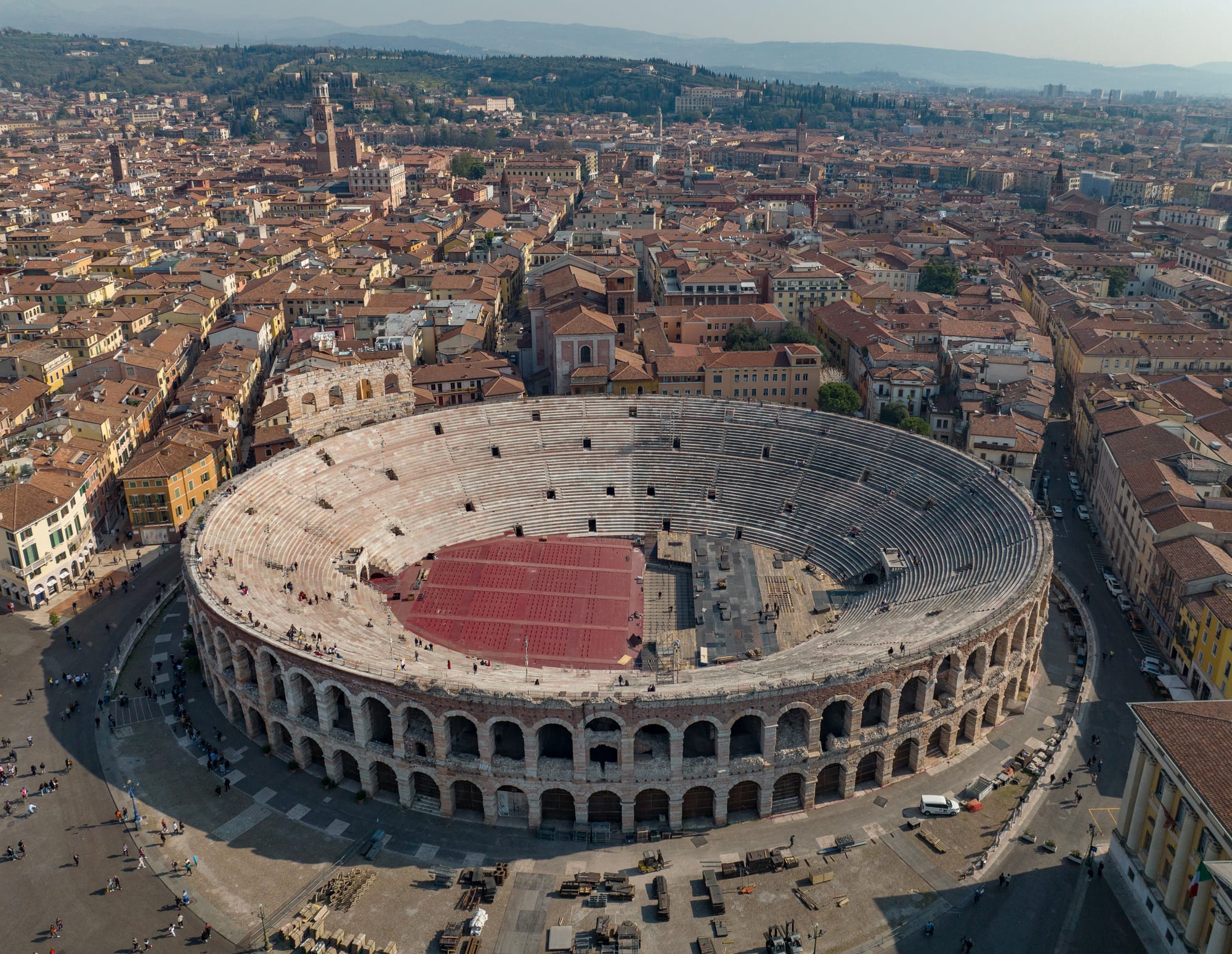
The Veneti, an Iron Age people with their own language, lived on the plain around Este and Padua before they became allies and then citizens of Rome. Roman Verona and Padua flourished, and Verona's Arena dates from the 1st century AD. From the 5th and 6th centuries, refugees from the Huns and later the Lombards settled the islands of the lagoon, and Venice grew from these settlements under its elected doges.
Venice became a maritime empire trading with Byzantium and the Levant. It took a large share of the spoils of the Fourth Crusade in 1204, beat Genoa in a long rivalry, and in the early 15th century conquered the mainland, absorbing Padua, Vicenza and Verona, earlier ruled by the Carrara and the della Scala. Venetian patricians built country villas, many by Andrea Palladio, and at Padua's university, founded in 1222, Galileo taught and Copernicus studied.
Napoleon ended the Republic in 1797 and handed it to Austria; the Veneto joined Italy in 1866. In the First World War, after the defeat at Caporetto in 1917, the Italian army held the line on the Piave and Monte Grappa and won at Vittorio Veneto in 1918. In 1963 a landslide into the Vajont reservoir sent a wave over the dam that destroyed Longarone and killed around 2,000 people. A rural region of emigrants became one of Italy's richest, built on family firms, and in 2017 voters backed greater autonomy in a regional referendum.