History
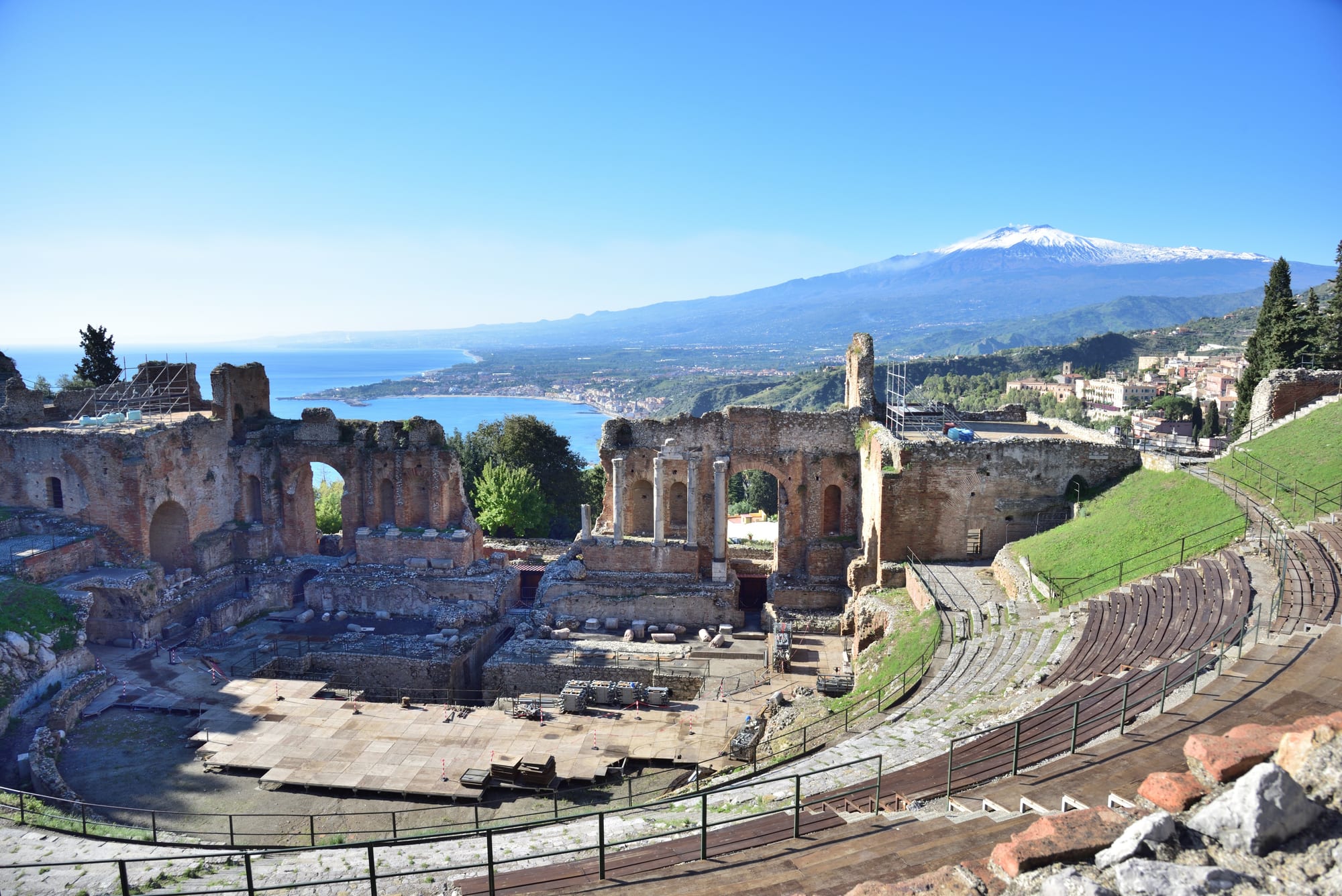
Before the Greeks, Sicily was home to the Sicani, the Elymians of Segesta and the Sicels, who gave the island its name. Phoenicians settled the west at Motya and Palermo, and from the 8th century BC Greek colonists founded Naxos, Syracuse, Akragas and Selinunte. Syracuse became one of the most powerful cities of the Greek world, destroying an Athenian invasion in 413 BC, until Rome took it in 212 BC, when Archimedes died in the siege. Sicily had already become Rome's first province after the First Punic War.
After the Vandals and Byzantines, Arabs conquered the island from 827 and made Palermo a great city of mosques, gardens and irrigated orchards. The Normans took it from 1061, and Roger II was crowned King of Sicily in 1130; his court blended Latin, Greek and Arab culture, and the Holy Roman Emperor Frederick II later ruled from Palermo. The Sicilian Vespers revolt of 1282 drove out the French and brought the Aragonese, beginning centuries of Spanish rule.
The earthquake of 1693 destroyed the south-east, which was rebuilt in baroque style. The Bourbons united Sicily with Naples as the Kingdom of the Two Sicilies, until Garibaldi landed at Marsala in 1860. Millions emigrated over the following century. The Allies invaded in July 1943, and in 1946 Sicily became an autonomous region. The Mafia's violence peaked with the murders of the judges Giovanni Falcone and Paolo Borsellino in 1992, which provoked a lasting popular reaction.